 Bird Album
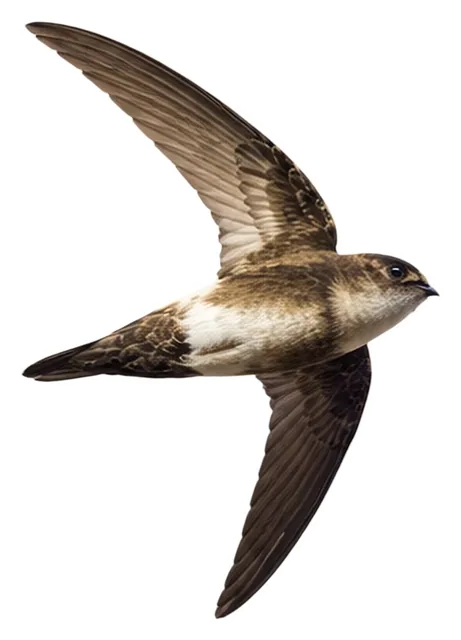
Antillean Palm Swift
Tachornis phoenicobia Gosse, 1847
9–11 cmLength10 gWeight
The Antillean palm swift (Tachornis phoenicobia) is a species of bird in subfamily Apodinae of the swift family Apodidae.
Busiest months: January–March · Most records: Dominican Republic, Cuba, Jamaica
Where and when it's recorded
Busiest months: January–March · Most records: Dominican Republic, Cuba, Jamaica

Antillean Palm Swift has been recorded at 62 of the 8,276 birding hotspots we track, in 6 countries and regions.
Records by month Northern Hemisphere
Where it's recorded most
- Font Hill Nature PreserveJamaica987 records
- Jardín Botánico NacionalDominican Republic943 records
- Rabo de GatoDominican Republic520 records
More places
- Hope Botanical GardensJamaica430 records
- Punta Cana Ecological FoundationDominican Republic365 records
- Reserva de la Biosfera Sierra del Rosario – Las TerrazasCuba352 records
- Refugio de Fauna BermejaCuba307 records
- Playa del ChivoCuba294 records
- Jardín Botánico NacionalCuba290 records
- Soplillar – Sabanas de PalpiteCuba265 records
Countries and regions with the most records
eBird records via GBIF up to 2024-12-31. A record means someone listed it; more records partly mean more birders, not more birds.
About
The Antillean palm swift (Tachornis phoenicobia) is a species of bird in subfamily Apodinae of the swift family Apodidae. It is found on the Caribbean islands of Cuba, Jamaica, and Hispaniola (shared by the Dominican Republic and Haiti).
Excerpt from Wikipedia, CC BY-SA 4.0 · authors · Read more on Wikipedia
Questions
How big is the Antillean Palm Swift?
The Antillean Palm Swift is about 9–11 cm long and weighs around 10 g.
Where does the Antillean Palm Swift live?
Its breeding range: North America: Greater Antilles. It is most often recorded in Dominican Republic, Cuba and Jamaica.
When is the best time to see the Antillean Palm Swift?
At the hotspots we track, it is recorded most in January, February and March (Northern Hemisphere).
Is the Antillean Palm Swift endangered?
The IUCN Red List classifies the Antillean Palm Swift as Least Concern.
What does the Antillean Palm Swift eat?
Main food: Insects & other invertebrates.
What family is the Antillean Palm Swift in?
It belongs to the family Swifts (Apodidae), order Apodiformes.
At a glance
- Length
- 9–11 cm
- Weight
- 10 g
- Habitat
- Grassland
- Diet
- Insects & other invertebrates
- Lifestyle
- Feeds in the air
- Migration
- Resident (barely migrates)
- Conservation
- Least Concern
More measurements
- Wing
- 102 mm
- Tail
- 40 mm
- Bill
- 5 mm
- Tarsus
- 7 mm
Averages from the AVONET dataset; length from field guides where available.
Range
North America: Greater Antilles
Breeding range, IOC World Bird List 15.2
Classification
- Order
- Apodiformes
- Family
- Swifts Apodidae
- Genus
- Tachornis
Other birds in the genus Tachornis
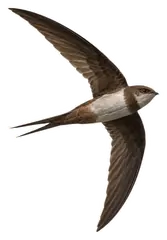 Pygmy Palm SwiftTachornis furcata
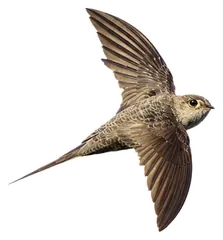 Fork-tailed Palm SwiftTachornis squamata
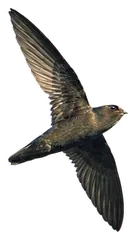 Spot-fronted SwiftCypseloides cherriei
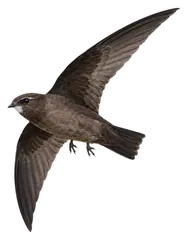 White-chinned SwiftCypseloides cryptus
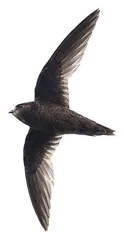 White-fronted SwiftCypseloides storeri
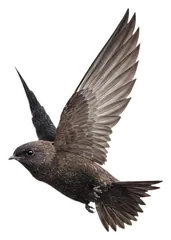 Sooty SwiftCypseloides fumigatus
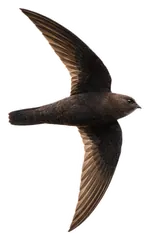 Rothschild's SwiftCypseloides rothschildi
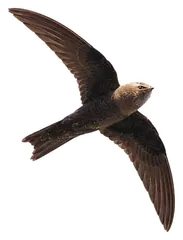 American Black SwiftCypseloides niger
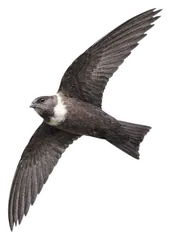 White-chested SwiftCypseloides lemosi
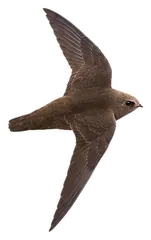 Great Dusky SwiftCypseloides senex
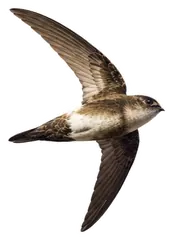
Download illustration
Free to use with credit: “Illustration: Bird Album (birdalbum.com)”. Drawn by AI from a reference photo by Josh van der Meulen. ↗
Heard it but can't see it? Mingji identifies birds by sound and photo, on your phone.
In other languages
- EnglishAntillean Palm Swift
- 简体中文西印棕雨燕
- 繁體中文安地列斯棕雨燕
- 日本語アメリカヤシアマツバメ
- DeutschKubasegler
- FrançaisMartinet petit-rollé
- EspañolVencejillo antillano
- Portuguêsandorinhão-das-antilhas
- ItalianoRondone delle palme delle Antille
- NederlandsCubaanse Palmgierzwaluw
- РусскийАнтильский стрижик
- Svenskakaribpalmseglare
- DanskAntilsejler
- Polskiwidłogończyk antylski