 Bird Album
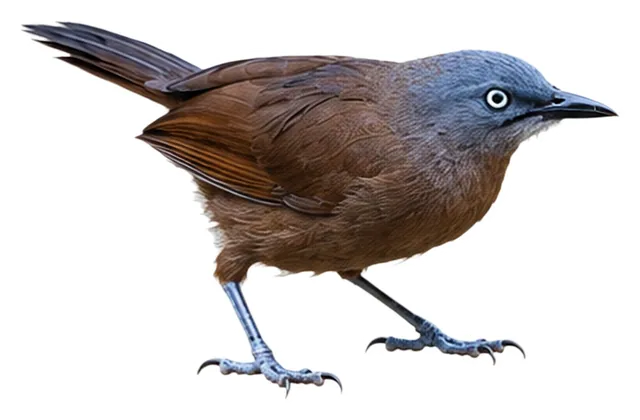
Ashy-headed Laughingthrush
Argya cinereifrons (Blyth, 1851)
70 gWeight
The ashy-headed laughingthrush (Argya cinereifrons) is a member of the family Leiothrichidae.
Busiest months: December–February · Most records: Sri Lanka
Where and when it's recorded

Ashy-headed Laughingthrush has been recorded at 10 of the 8,171 birding hotspots we track, in 1 country or region.
Records by month Northern Hemisphere
Where it's recorded most
- Sinharaja Forest ReserveSri Lanka608 records
- Sinharaja NP – Kudawa accessSri Lanka328 records
- Kudawa – Sri Lanka Spurfowl SiteSri Lanka131 records
More places
- Sinharaja NP – Rainforest EcolodgeSri Lanka105 records
- Siharaja Forest Reserve – Visitor CentreSri Lanka104 records
- Siharaja Forest Reserve – Research CentreSri Lanka71 records
- Sinharaja – Kudawa Village areaSri Lanka60 records
- Kudawa – Thurusevana RoadSri Lanka44 records
- Sinharaja Forest Reserve – Deniyaya accessSri Lanka24 records
- KitulgalaSri Lanka6 records
Countries and regions with the most records
eBird records via GBIF up to 2024-12-31. A record means someone listed it; more records partly mean more birders, not more birds.
About
The ashy-headed laughingthrush (Argya cinereifrons) is a member of the family Leiothrichidae. The laughingthrushes are a large family of Old World passerine birds characterised by soft fluffy plumage. These are birds of tropical areas, with the greatest variety in southeast Asia.
Excerpt from Wikipedia, CC BY-SA 4.0 · authors · Read more on Wikipedia
Questions
How big is the Ashy-headed Laughingthrush?
The Ashy-headed Laughingthrush weighs around 70 g.
Where does the Ashy-headed Laughingthrush live?
Its breeding range: Oriental: Sri Lanka. It is most often recorded in Sri Lanka.
When is the best time to see the Ashy-headed Laughingthrush?
At the hotspots we track, it is recorded most in January, February and December (Northern Hemisphere).
Is the Ashy-headed Laughingthrush endangered?
The IUCN Red List classifies the Ashy-headed Laughingthrush as Vulnerable.
What does the Ashy-headed Laughingthrush eat?
Main food: Insects & other invertebrates.
What family is the Ashy-headed Laughingthrush in?
It belongs to the family Laughingthrushes & Allies (Leiothrichidae), order Passerines (Passeriformes).
At a glance
- Weight
- 70 g
- Habitat
- Forest
- Diet
- Insects & other invertebrates
- Lifestyle
- Varied
- Migration
- Resident (barely migrates)
- Conservation
- Vulnerable
More measurements
- Wing
- 113 mm
- Tail
- 104 mm
- Bill
- 27 mm
- Tarsus
- 38 mm
Averages from the AVONET dataset; length from field guides where available.
Range
Oriental: Sri Lanka
Breeding range, IOC World Bird List 15.2
Classification
- Order
- Passerines Passeriformes
- Family
- Laughingthrushes & Allies Leiothrichidae
- Genus
- Argya
Other birds in the genus Argya
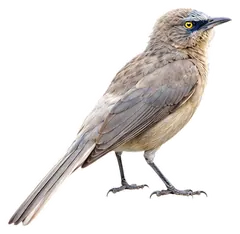 Large Grey BabblerArgya malcolmi
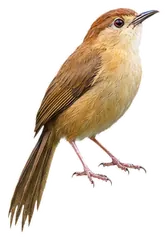 Slender-billed BabblerArgya longirostris
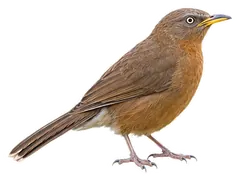 Rufous BabblerArgya subrufa
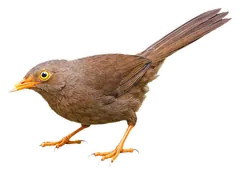 Orange-billed BabblerArgya rufescens
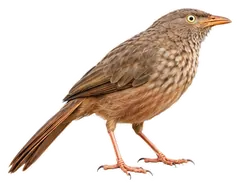 Jungle BabblerArgya striata
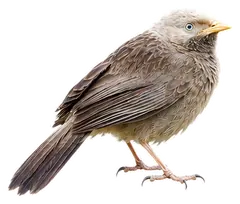 Yellow-billed BabblerArgya affinis
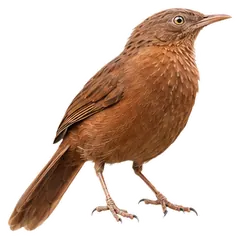 Rufous ChattererArgya rubiginosa
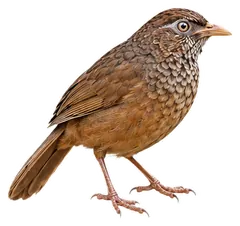 Scaly ChattererArgya aylmeri
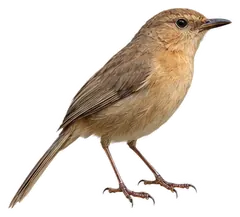 Iraq BabblerArgya altirostris
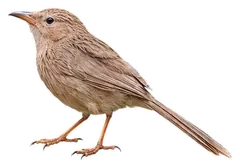 Afghan BabblerArgya huttoni
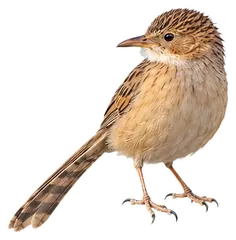 Common BabblerArgya caudata
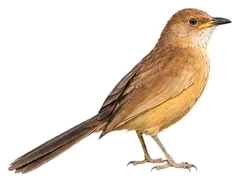 Fulvous BabblerArgya fulva
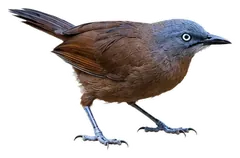
Download illustration
Free to use with credit: “Illustration: Bird Album (birdalbum.com)”. Drawn by AI from a reference photo by Tony Allaker. ↗
Heard it but can't see it? Mingji identifies birds by sound and photo, on your phone.
In other languages
- EnglishAshy-headed Laughingthrush
- 简体中文灰头噪鹛
- 繁體中文灰頭噪鶥
- 日本語セイロンガビチョウ
- DeutschGraustirnhäherling
- FrançaisCratérope à tête cendrée
- EspañolCharlatán cabecigrís
- Portuguêszaragateiro-de-cabeça-cinzenta
- ItalianoGarrulo sghignazzante testacenere
- NederlandsGrijskoplijstergaai
- РусскийСероголовая дроздовка
- Svenskagråhuvad skriktrast
- DanskSri Lanka-skadedrossel
- Polskitymalczyk szaroczelny