 Bird Album
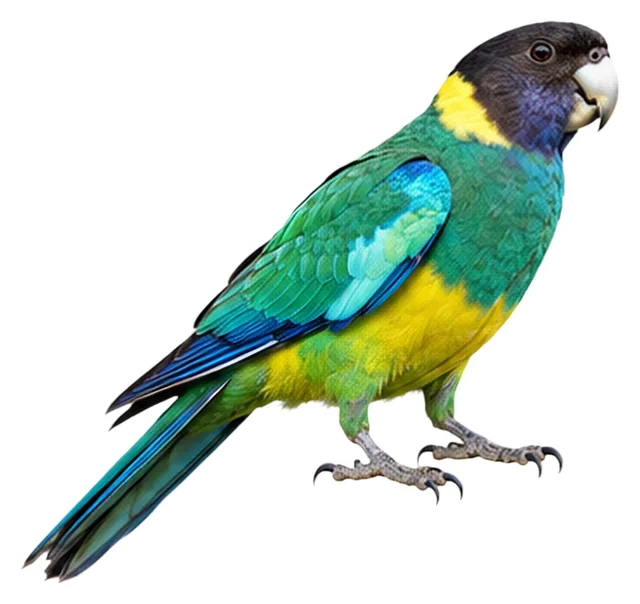
Australian Ringneck
Barnardius zonarius (Shaw, 1805)
33–38 cmLength133 gWeight
The Australian ringneck (Barnardius zonarius) is a parrot native to Australia.
Busiest months: September–October · Most records: Australia, United Kingdom, Portugal
Where and when it's recorded
Busiest months: September–October · Most records: Australia, United Kingdom, Portugal

Australian Ringneck has been recorded at 31 of the 8,276 birding hotspots we track, in 4 countries and regions.
Records by month Southern Hemisphere
Where it's recorded most
- Bowra Wildlife SanctuaryAustralia3,494 records
- Hattah-Kulkyne National ParkAustralia977 records
- Victoria Dam – Access road, track and picnic areaAustralia964 records
More places
- Lake McLarty Nature ReserveAustralia891 records
- Gluepot ReserveAustralia757 records
- Terrick Terrick National ParkAustralia503 records
- Bibra LakeAustralia482 records
- Alice Springs Sewage PondsAustralia462 records
- Herdsman LakeAustralia363 records
- Alfred Cove Nature ReserveAustralia322 records
Countries and regions with the most records
eBird records via GBIF up to 2024-12-31. A record means someone listed it; more records partly mean more birders, not more birds.
About
The Australian ringneck (Barnardius zonarius) is a parrot native to Australia. Except for extreme tropical and highland areas, the species has adapted to all conditions. Treatments of genus Barnardius have previously recognised two species, the Port Lincoln parrot (Barnardius zonarius) and the mallee ringneck (Barnardius barnardi), but due to these readily interbreeding at the contact zone they are usually regarded as a single species B. zonarius with subspecific descriptions.
Excerpt from Wikipedia, CC BY-SA 4.0 · authors · Read more on Wikipedia
Questions
How big is the Australian Ringneck?
The Australian Ringneck is about 33–38 cm long and weighs around 133 g.
Where does the Australian Ringneck live?
Its breeding range: Australasia: Australia (except northern, eastern, Tasmania). It is most often recorded in Australia, United Kingdom and Portugal.
When is the best time to see the Australian Ringneck?
At the hotspots we track, it is recorded most in September and October (Southern Hemisphere).
Is the Australian Ringneck endangered?
The IUCN Red List classifies the Australian Ringneck as Least Concern.
What does the Australian Ringneck eat?
Main food: Omnivore.
What family is the Australian Ringneck in?
It belongs to the family Old World Parrots (Psittaculidae), order Parrot (Psittaciformes).
At a glance
- Length
- 33–38 cm
- Weight
- 133 g
- Habitat
- Forest
- Diet
- Omnivore
- Lifestyle
- Perches in trees
- Migration
- Resident (barely migrates)
- Conservation
- Least Concern
More measurements
- Wing
- 169 mm
- Tail
- 204 mm
- Bill
- 23 mm
- Tarsus
- 22 mm
Averages from the AVONET dataset; length from field guides where available.
Range
Australasia: Australia (except northern, eastern, Tasmania)
Breeding range, IOC World Bird List 15.2
Classification
- Order
- Parrot Psittaciformes
- Family
- Old World Parrots Psittaculidae
- Genus
- Barnardius
More from the family Old World Parrots
 Pesquet's ParrotPsittrichas fulgidus
 Greater Vasa ParrotCoracopsis vasa
 Seychelles Black ParrotCoracopsis barklyi
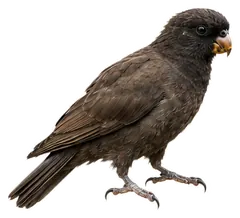 Comoro Black ParrotCoracopsis sibilans
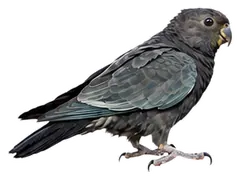 Lesser Vasa ParrotCoracopsis nigra
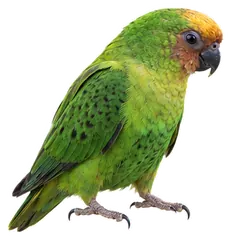 Yellow-capped Pygmy ParrotMicropsitta keiensis
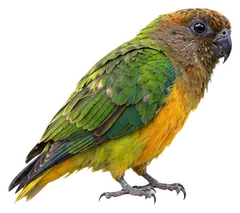 Geelvink Pygmy ParrotMicropsitta geelvinkiana
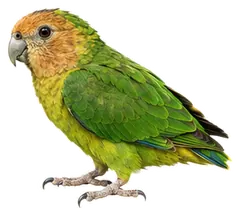 Buff-faced Pygmy ParrotMicropsitta pusio
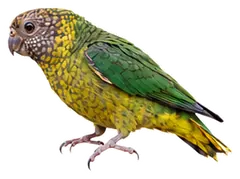 Meek's Pygmy ParrotMicropsitta meeki
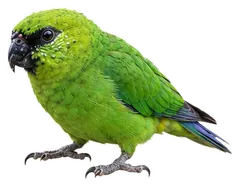 Finsch's Pygmy ParrotMicropsitta finschii
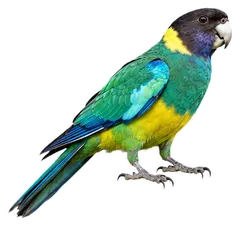
Download illustration
Free to use with credit: “Illustration: Bird Album (birdalbum.com)”. Drawn by AI from a reference photo by Sandy Horne. ↗
Heard it but can't see it? Mingji identifies birds by sound and photo, on your phone.
In other languages
- EnglishAustralian Ringneck
- 简体中文黑头环颈鹦鹉
- 繁體中文環頸鸚鵡
- 日本語コダイマキエインコ
- DeutschRingsittich
- FrançaisPerruche à col jaune
- EspañolPerico de Port Lincoln
- Portuguêsperiquito-de-colar-amarelo
- ItalianoPappagallo di Port Lincoln
- NederlandsPort-Lincolnparkiet
- РусскийВоротничковый попугай
- Svenskaringparakit
- DanskRingparakit
- Polskirozella czarnogłowa