 Bird Album
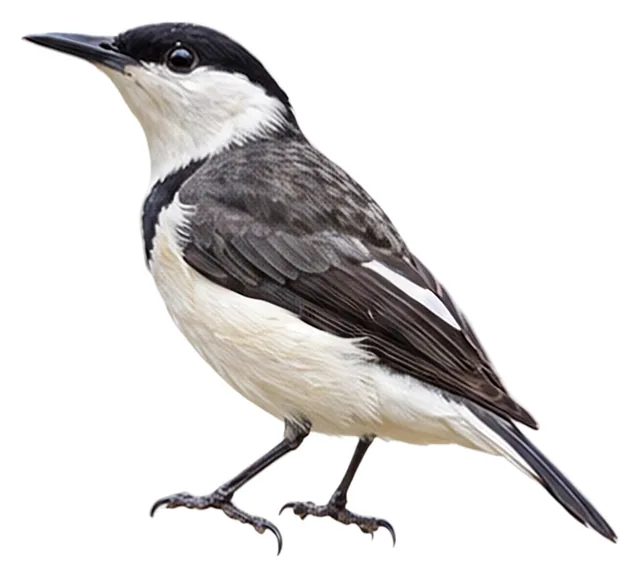
Banded Honeyeater
Cissomela pectoralis (Gould, 1841)
10 gWeight
The banded honeyeater (Cissomela pectoralis) is a species of honeyeater in the family Meliphagidae with a characteristic narrow black band across its white underparts.
Busiest months: October · Most records: Australia
Where and when it's recorded

Banded Honeyeater has been recorded at 27 of the 8,171 birding hotspots we track, in 1 country or region.
Records by month Southern Hemisphere
Where it's recorded most
- Cumberland DamAustralia145 records
- Broome Bird ObservatoryAustralia88 records
- Muirhead bushlandAustralia83 records
More places
- Abattoir Swamp, JulattenAustralia72 records
- Keatings Lagoon Conservation ParkAustralia29 records
- Kakadu National Park – Yellow WaterAustralia18 records
- Holmes Jungle Nature ReserveAustralia17 records
- Fogg Dam Conservation ReserveAustralia15 records
- George Brown Darwin Botanic GardensAustralia9 records
- JulattenAustralia8 records
Countries and regions with the most records
eBird records via GBIF up to 2024-12-31. A record means someone listed it; more records partly mean more birders, not more birds.
About
The banded honeyeater (Cissomela pectoralis) is a species of honeyeater in the family Meliphagidae with a characteristic narrow black band across its white underparts. It is endemic to tropical northern Australia.
Excerpt from Wikipedia, CC BY-SA 4.0 · authors · Read more on Wikipedia
Questions
How big is the Banded Honeyeater?
The Banded Honeyeater weighs around 10 g.
Where does the Banded Honeyeater live?
Its breeding range: Australasia: northeastern Western Australia to Cape York Peninsula, northeastern Queensland (north-central to northeastern Australia). It is most often recorded in Australia.
When is the best time to see the Banded Honeyeater?
At the hotspots we track, it is recorded most in October (Southern Hemisphere).
Is the Banded Honeyeater endangered?
The IUCN Red List classifies the Banded Honeyeater as Least Concern.
What does the Banded Honeyeater eat?
Main food: Nectar.
What family is the Banded Honeyeater in?
It belongs to the family Honeyeaters (Meliphagidae), order Passerines (Passeriformes).
At a glance
- Weight
- 10 g
- Habitat
- Grassland
- Diet
- Nectar
- Lifestyle
- Perches in trees
- Migration
- Resident (barely migrates)
- Conservation
- Least Concern
More measurements
- Wing
- 67 mm
- Tail
- 42 mm
- Bill
- 16 mm
- Tarsus
- 16 mm
Averages from the AVONET dataset; length from field guides where available.
Range
Australasia: northeastern Western Australia to Cape York Peninsula, northeastern Queensland (north-central to northeastern Australia)
Breeding range, IOC World Bird List 15.2
Classification
- Order
- Passerines Passeriformes
- Family
- Honeyeaters Meliphagidae
- Genus
- Cissomela
More from the family Honeyeaters
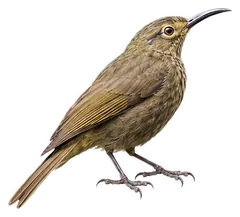 Dark-eared MyzaMyza celebensis
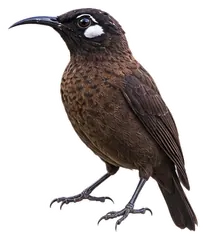 White-eared MyzaMyza sarasinorum
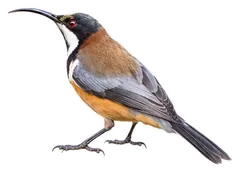 Eastern SpinebillAcanthorhynchus tenuirostris
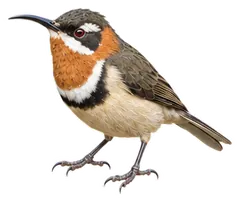 Western SpinebillAcanthorhynchus superciliosus
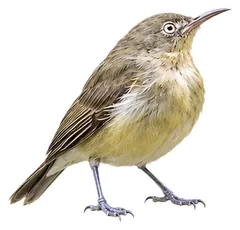 Green-backed HoneyeaterGlycichaera fallax
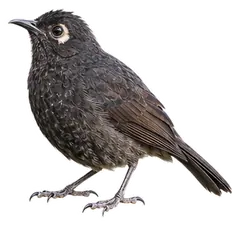 Sooty HoneyeaterMelionyx fuscus
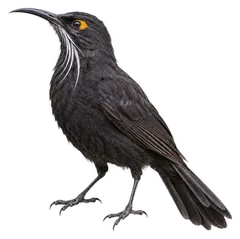 Long-bearded HoneyeaterMelionyx princeps
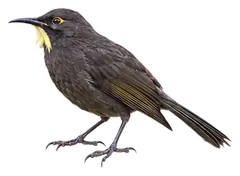 Short-bearded HoneyeaterMelionyx nouhuysi
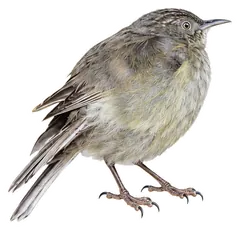 Leaden HoneyeaterPtiloprora plumbea
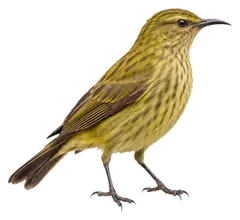 Yellowish-streaked HoneyeaterPtiloprora meekiana
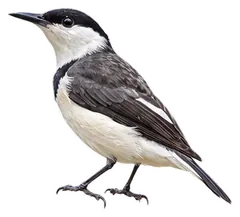
Download illustration
Free to use with credit: “Illustration: Bird Album (birdalbum.com)”. Drawn by AI from a reference photo by Mark Dennis. ↗
Heard it but can't see it? Mingji identifies birds by sound and photo, on your phone.
In other languages
- EnglishBanded Honeyeater
- 简体中文带胸黑吸蜜鸟
- 繁體中文斑吸蜜鳥
- 日本語クロオビミツスイ
- DeutschBrustband-Honigfresser
- FrançaisMéliphage à collier
- EspañolMielero bandeado
- Portuguêspapa-mel-branco-de-colar
- ItalianoSucciamiele fasciato
- NederlandsZwartbandhoningeter
- РусскийОшейниковый медолюб
- Svenskasvartbandad honungsfågel
- DanskBåndhonningæder
- Polskiobrożniczek