 Bird Album
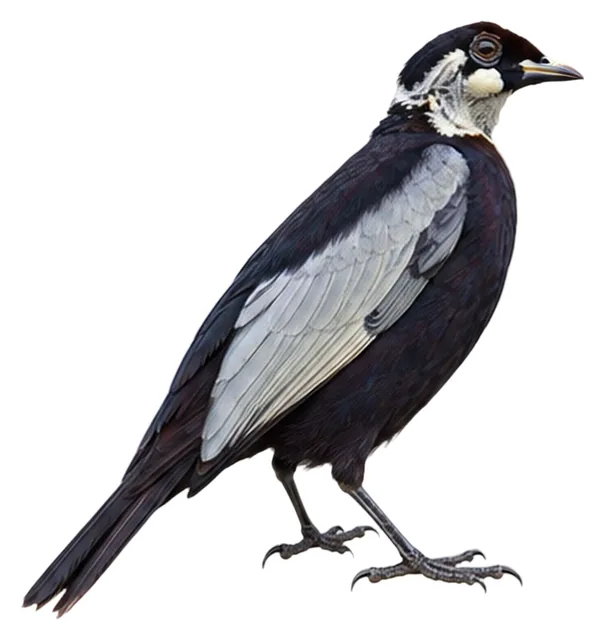
Bare-necked Fruitcrow
Gymnoderus foetidus (Linnaeus, 1758)
34–39 cmLength276 gWeight
The bare-necked fruitcrow (Gymnoderus foetidus) is a species of bird in the family Cotingidae, the cotingas.
Busiest months: July–August · Most records: Peru, Brazil, Ecuador
Where and when it's recorded

Bare-necked Fruitcrow has been recorded at 81 of the 8,171 birding hotspots we track, in 9 countries and regions.
Records by month Southern Hemisphere
Where it's recorded most
- Rio Cristalino – listas históricasBrazil738 records
- Sani LodgeEcuador658 records
- Sacha LodgeEcuador421 records
More places
- Jardim da AmazôniaBrazil397 records
- Cristalino Lodge – Torre 1Brazil364 records
- Cristalino Lodge – Torre 2 e trilhaBrazil321 records
- Los Amigos Biological StationPeru280 records
- Estación Biológica de Cocha CashuPeru251 records
- El Escondite Reserva NaturalColombia250 records
- Napo Wildlife CenterEcuador243 records
Countries and regions with the most records
eBird records via GBIF up to 2024-12-31. A record means someone listed it; more records partly mean more birders, not more birds.
About
The bare-necked fruitcrow (Gymnoderus foetidus) is a species of bird in the family Cotingidae, the cotingas. It is found in every mainland South American country except Argentina, Chile, Uruguay, and Paraguay.
Excerpt from Wikipedia, CC BY-SA 4.0 · authors · Read more on Wikipedia
Questions
How big is the Bare-necked Fruitcrow?
The Bare-necked Fruitcrow is about 34–39 cm long and weighs around 276 g.
Where does the Bare-necked Fruitcrow live?
Its breeding range: South America: Amazonia. It is most often recorded in Peru, Brazil and Ecuador.
When is the best time to see the Bare-necked Fruitcrow?
At the hotspots we track, it is recorded most in July and August (Southern Hemisphere).
Is the Bare-necked Fruitcrow endangered?
The IUCN Red List classifies the Bare-necked Fruitcrow as Least Concern.
What does the Bare-necked Fruitcrow eat?
Main food: Fruit.
What family is the Bare-necked Fruitcrow in?
It belongs to the family Cotingas (Cotingidae), order Passerines (Passeriformes).
At a glance
- Length
- 34–39 cm
- Weight
- 276 g
- Habitat
- Forest
- Diet
- Fruit
- Lifestyle
- Perches in trees
- Migration
- Resident (barely migrates)
- Conservation
- Least Concern
More measurements
- Wing
- 201 mm
- Tail
- 122 mm
- Bill
- 29 mm
- Tarsus
- 32 mm
Averages from the AVONET dataset; length from field guides where available.
Range
South America: Amazonia
Breeding range, IOC World Bird List 15.2
Classification
- Order
- Passerines Passeriformes
- Family
- Cotingas Cotingidae
- Genus
- Gymnoderus
More from the family Cotingas
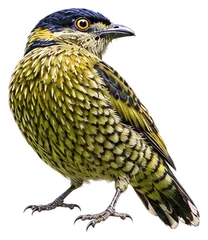 Scaled FruiteaterAmpelioides tschudii
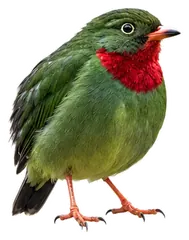 Fiery-throated FruiteaterPipreola chlorolepidota
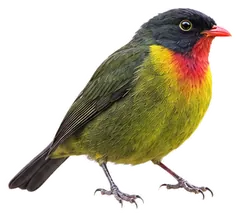 Scarlet-breasted FruiteaterPipreola frontalis
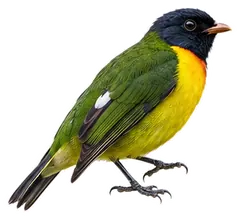 Handsome FruiteaterPipreola formosa
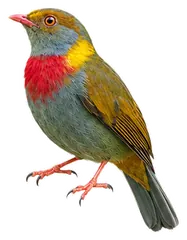 Red-banded FruiteaterPipreola whitelyi
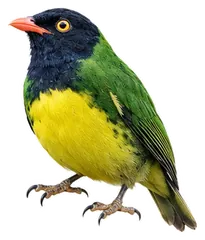 Black-chested FruiteaterPipreola lubomirskii
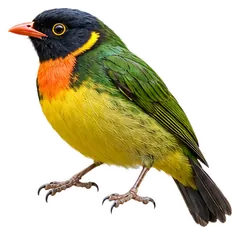 Orange-breasted FruiteaterPipreola jucunda
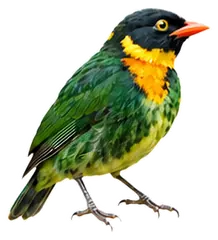 Masked FruiteaterPipreola pulchra
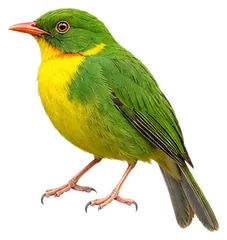 Golden-breasted FruiteaterPipreola aureopectus
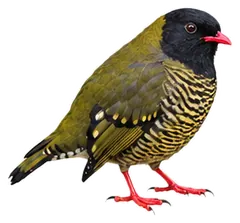 Barred FruiteaterPipreola arcuata
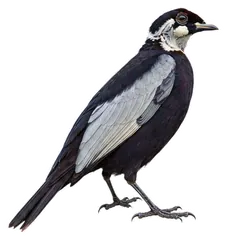
Download illustration
Free to use with credit: “Illustration: Bird Album (birdalbum.com)”. Drawn by AI from reference photos. ↗
Heard it but can't see it? Mingji identifies birds by sound and photo, on your phone.
In other languages
- EnglishBare-necked Fruitcrow
- 简体中文裸颈果伞鸟
- 繁體中文褐頸果鴉
- 日本語ハゲクビカザリドリ
- DeutschNackthalskotinga
- FrançaisCotinga à col nu
- EspañolCuellopelado
- Portuguêsanambé-pombo
- ItalianoCorvo beccafrutta collonudo
- NederlandsKaalnekvruchtenkraai
- РусскийГолошейный плодоед
- Svenskabarhalsad kotinga
- DanskNøgenhalset Frugtkrage
- Polskigołoszyjnik