 Bird Album
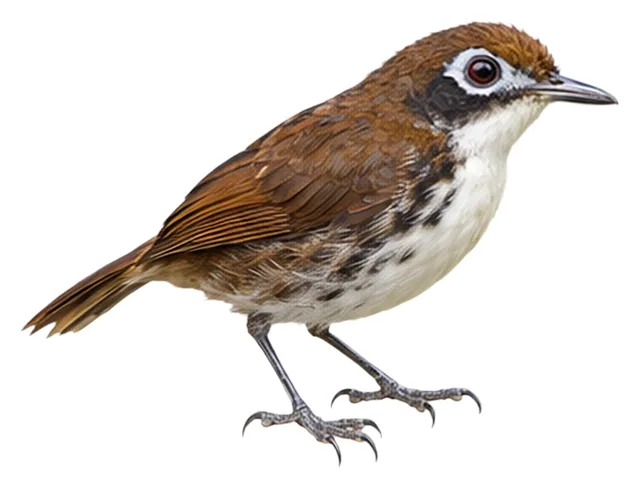
Bicolored Antbird
Gymnopithys bicolor (Lawrence, 1863)
14–15 cmLength31 gWeight
The bicolored antbird (Gymnopithys bicolor) is a species of bird in subfamily Thamnophilinae of family Thamnophilidae, the "typical antbirds".
Busiest months: January–March · Most records: Costa Rica, Panama, Ecuador
Where and when it's recorded
Busiest months: January–March · Most records: Costa Rica, Panama, Ecuador

Bicolored Antbird has been recorded at 118 of the 8,276 birding hotspots we track, in 5 countries and regions.
Records by month Northern Hemisphere
Where it's recorded most
- Pipeline Road (Camino del Oleoducto)Panama1,995 records
- PN Carara-Entrada principal [senderos Quebrada Bonita y Universal]Costa Rica1,500 records
- Pipeline Road – Parque Nacional SoberaníaPanama1,439 records
More places
- Arenal Observatory LodgeCosta Rica1,176 records
- Panama Rainforest Discovery CenterPanama880 records
- Pipeline RoadPanama807 records
- RN San Cipriano-EscalereteColombia744 records
- Estación Biológica La Selva-OTSCosta Rica618 records
- Sky Adventures - Arenal ParkCosta Rica558 records
- Bosque Eterno de Los Niños – Poco SolCosta Rica525 records
Countries and regions with the most records
eBird records via GBIF up to 2024-12-31. A record means someone listed it; more records partly mean more birders, not more birds.
About
The bicolored antbird (Gymnopithys bicolor) is a species of bird in subfamily Thamnophilinae of family Thamnophilidae, the "typical antbirds". It is found in Colombia, Costa Rica, Ecuador, Honduras, Nicaragua, and Panama.
Excerpt from Wikipedia, CC BY-SA 4.0 · authors · Read more on Wikipedia
Questions
How big is the Bicolored Antbird?
The Bicolored Antbird is about 14–15 cm long and weighs around 31 g.
Where does the Bicolored Antbird live?
Its breeding range: Middle America, South America: Honduras to western Ecuador. It is most often recorded in Costa Rica, Panama and Ecuador.
When is the best time to see the Bicolored Antbird?
At the hotspots we track, it is recorded most in January, February and March (Northern Hemisphere).
Is the Bicolored Antbird endangered?
The IUCN Red List classifies the Bicolored Antbird as Least Concern.
What does the Bicolored Antbird eat?
Main food: Insects & other invertebrates.
What family is the Bicolored Antbird in?
It belongs to the family Antbirds (Thamnophilidae), order Passerines (Passeriformes).
At a glance
- Length
- 14–15 cm
- Weight
- 31 g
- Habitat
- Forest
- Diet
- Insects & other invertebrates
- Lifestyle
- Perches in trees
- Migration
- Resident (barely migrates)
- Conservation
- Least Concern
More measurements
- Wing
- 75 mm
- Tail
- 47 mm
- Bill
- 18 mm
- Tarsus
- 28 mm
Averages from the AVONET dataset; length from field guides where available.
Range
Middle America, South America: Honduras to western Ecuador
Breeding range, IOC World Bird List 15.2
Classification
- Order
- Passerines Passeriformes
- Family
- Antbirds Thamnophilidae
- Genus
- Gymnopithys
Other birds in the genus Gymnopithys
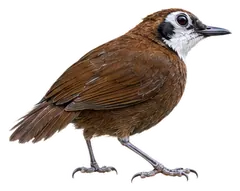 White-cheeked AntbirdGymnopithys leucaspis
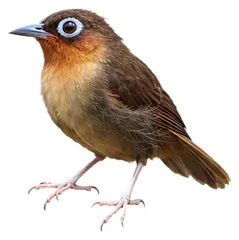 Rufous-throated AntbirdGymnopithys rufigula
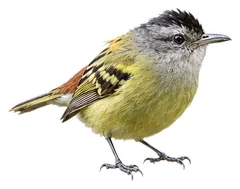 Rufous-rumped AntwrenEuchrepomis callinota
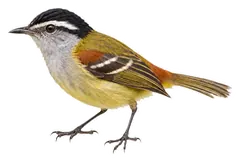 Chestnut-shouldered AntwrenEuchrepomis humeralis
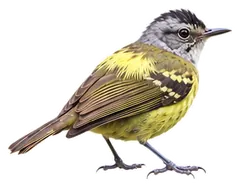 Yellow-rumped AntwrenEuchrepomis sharpei
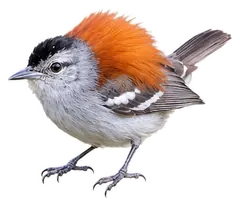 Ash-winged AntwrenEuchrepomis spodioptila
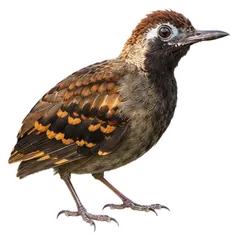 Wing-banded AntbirdMyrmornis torquata
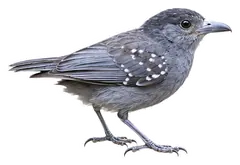 Spot-winged AntshrikePygiptila stellaris
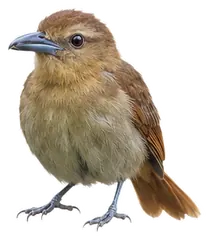 Russet AntshrikeThamnistes anabatinus
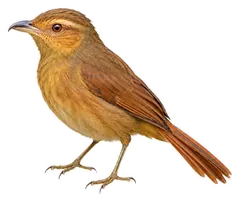 Rufescent AntshrikeThamnistes rufescens
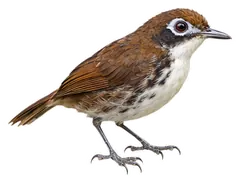
Download illustration
Free to use with credit: “Illustration: Bird Album (birdalbum.com)”. Drawn by AI from a reference photo by Manuel Raab. ↗
Heard it but can't see it? Mingji identifies birds by sound and photo, on your phone.