 Bird Album
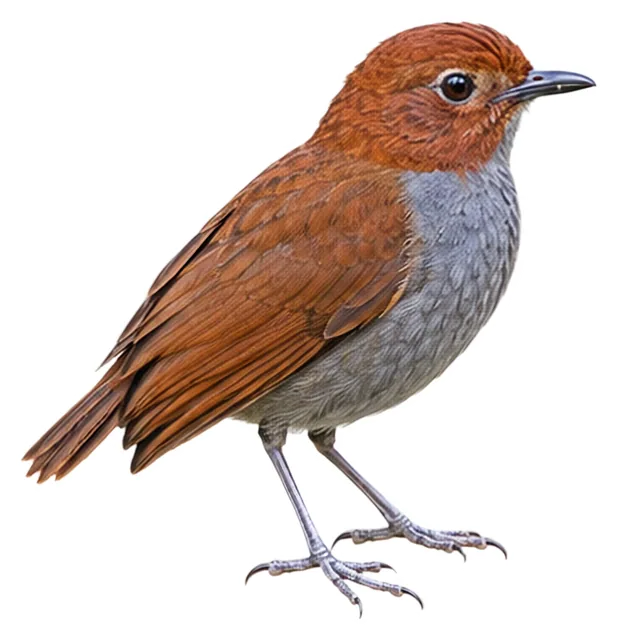
Bicolored Antpitta
Grallaria rufocinerea Sclater, PL & Salvin, 1879
15–18 cmLength45 gWeight
The bicolored antpitta (Grallaria rufocinerea) is a species of bird in the family Grallariidae.
Busiest months: November · Most records: Colombia
Where and when it's recorded
Busiest months: November · Most records: Colombia

Bicolored Antpitta has been recorded at 18 of the 8,276 birding hotspots we track, in 1 country or region.
Records by month Northern Hemisphere
Where it's recorded most
- Reserva Ecológica Río Blanco – LodgeColombia3,349 records
- El Color de mis Rêves GlampingColombia492 records
- Finca CortaderalColombia350 records
More places
- Giles Fuertesi Proaves ReserveColombia182 records
- Hotel Termales del RuízColombia86 records
- Loro Coroniazul ProAves ReserveColombia31 records
- Hacienda El BosqueColombia31 records
- RN San Sebastián de La CastellanaColombia30 records
- Bosque de San Carlos/La VirginiaColombia6 records
- Valle del CocoraColombia4 records
Countries and regions with the most records
eBird records via GBIF up to 2024-12-31. A record means someone listed it; more records partly mean more birders, not more birds.
About
The bicolored antpitta (Grallaria rufocinerea) is a species of bird in the family Grallariidae. It is found in Colombia and Ecuador.
Excerpt from Wikipedia, CC BY-SA 4.0 · authors · Read more on Wikipedia
Questions
How big is the Bicolored Antpitta?
The Bicolored Antpitta is about 15–18 cm long and weighs around 45 g.
Where does the Bicolored Antpitta live?
Its breeding range: South America: central Colombia and north-central Ecuador. It is most often recorded in Colombia.
When is the best time to see the Bicolored Antpitta?
At the hotspots we track, it is recorded most in November (Northern Hemisphere).
Is the Bicolored Antpitta endangered?
The IUCN Red List classifies the Bicolored Antpitta as Least Concern.
What does the Bicolored Antpitta eat?
Main food: Insects & other invertebrates.
What family is the Bicolored Antpitta in?
It belongs to the family Antpittas (Grallariidae), order Passerines (Passeriformes).
At a glance
- Length
- 15–18 cm
- Weight
- 45 g
- Habitat
- Forest
- Diet
- Insects & other invertebrates
- Lifestyle
- Active on the ground
- Migration
- Resident (barely migrates)
- Conservation
- Least Concern
More measurements
- Wing
- 87 mm
- Tail
- 47 mm
- Bill
- 20 mm
- Tarsus
- 43 mm
Averages from the AVONET dataset; length from field guides where available.
Range
South America: central Colombia and north-central Ecuador
Breeding range, IOC World Bird List 15.2
Classification
- Order
- Passerines Passeriformes
- Family
- Antpittas Grallariidae
- Genus
- Grallaria
Other birds in the genus Grallaria
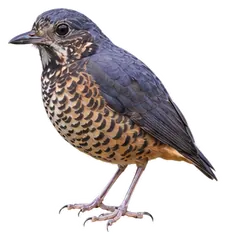 Undulated AntpittaGrallaria squamigera
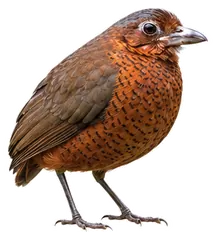 Giant AntpittaGrallaria gigantea
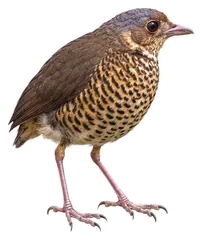 Great AntpittaGrallaria excelsa
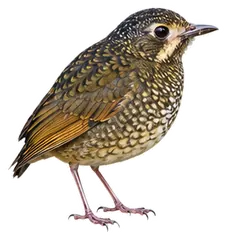 Variegated AntpittaGrallaria varia
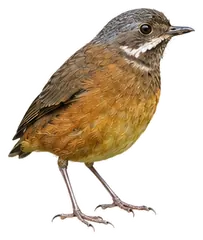 Moustached AntpittaGrallaria alleni
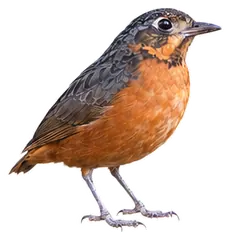 Scaled AntpittaGrallaria guatimalensis
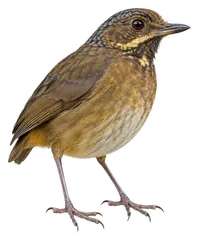 Tachira AntpittaGrallaria chthonia
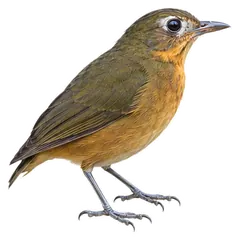 Plain-backed AntpittaGrallaria haplonota
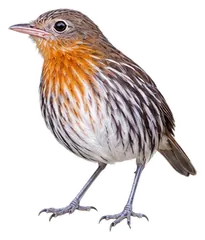 Ochre-striped AntpittaGrallaria dignissima
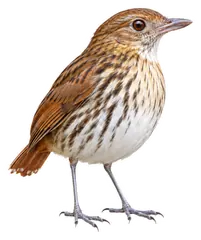 Elusive AntpittaGrallaria eludens
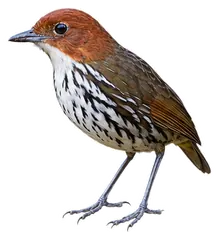 Chestnut-crowned AntpittaGrallaria ruficapilla
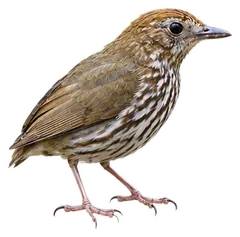 Watkins's AntpittaGrallaria watkinsi
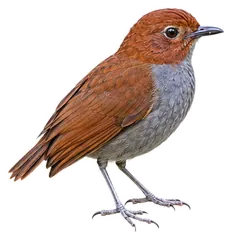
Download illustration
Free to use with credit: “Illustration: Bird Album (birdalbum.com)”. Drawn by AI from a reference photo by Christoph Moning. ↗
Heard it but can't see it? Mingji identifies birds by sound and photo, on your phone.
In other languages
- EnglishBicolored Antpitta
- 简体中文双色蚁鸫
- 繁體中文雙色蟻八色鳥
- 日本語ニショクジアリドリ
- DeutschZweifarben-Ameisenpitta
- FrançaisGrallaire bicolore
- EspañolTororoí bicolor
- Portuguêstorom-bicolor
- ItalianoPitta formichiera bicolore
- NederlandsTweekleurige Mierpitta
- РусскийРыжеголовая питтовая муравьеловка
- Svenskatvåfärgad myrpitta
- DanskTofarvet Myrepitta
- Polskikusaczka rdzawo-szara