 Bird Album
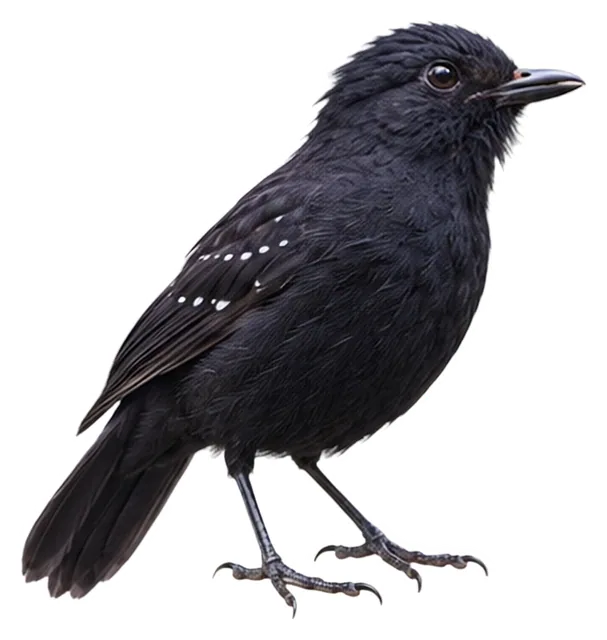
Bicolored Antvireo
Dysithamnus occidentalis (Chapman, 1923)
13–14 cmLength26 gWeight
The bicolored antvireo (Dysithamnus occidentalis) is a Near Threatened insectivorous bird in subfamily Thamnophilinae of family Thamnophilidae, the "typical antbirds".
Busiest months: August · Most records: Colombia, Ecuador, Peru
Where and when it's recorded

Bicolored Antvireo has been recorded at 25 of the 8,171 birding hotspots we track, in 3 countries and regions.
Records by month Northern Hemisphere
Where it's recorded most
- Camino Montezuma – Los CajonesColombia501 records
- PNN Tatamá – Camino MontezumaColombia344 records
- Camino Montezuma – La ClaritaColombia259 records
More places
- PNN Tatamá – Cerro Montezuma-Los ChorrosColombia98 records
- Cordillera Guacamayos – Sendero JumandyEcuador94 records
- Cabañas San IsidroEcuador89 records
- PNN Tatamá – Base Militar MontezumaColombia52 records
- Camino Montezuma – Montezuma Rainforest LodgeColombia31 records
- Camino Montezuma – Río ClaroColombia27 records
- RNA Las Tangaras – SendasColombia18 records
Countries and regions with the most records
eBird records via GBIF up to 2024-12-31. A record means someone listed it; more records partly mean more birders, not more birds.
About
The bicolored antvireo (Dysithamnus occidentalis) is a Near Threatened insectivorous bird in subfamily Thamnophilinae of family Thamnophilidae, the "typical antbirds". It is found in Colombia, Ecuador, and Peru.
Excerpt from Wikipedia, CC BY-SA 4.0 · authors · Read more on Wikipedia
Questions
How big is the Bicolored Antvireo?
The Bicolored Antvireo is about 13–14 cm long and weighs around 26 g.
Where does the Bicolored Antvireo live?
Its breeding range: South America: southwestern Colombia and northern, eastern Ecuador. It is most often recorded in Colombia, Ecuador and Peru.
When is the best time to see the Bicolored Antvireo?
At the hotspots we track, it is recorded most in August (Northern Hemisphere).
Is the Bicolored Antvireo endangered?
The IUCN Red List classifies the Bicolored Antvireo as Near Threatened.
What does the Bicolored Antvireo eat?
Main food: Insects & other invertebrates.
What family is the Bicolored Antvireo in?
It belongs to the family Antbirds (Thamnophilidae), order Passerines (Passeriformes).
At a glance
- Length
- 13–14 cm
- Weight
- 26 g
- Habitat
- Forest
- Diet
- Insects & other invertebrates
- Lifestyle
- Perches in trees
- Migration
- Resident (barely migrates)
- Conservation
- Near Threatened
More measurements
- Wing
- 69 mm
- Tail
- 56 mm
- Bill
- 19 mm
- Tarsus
- 24 mm
Averages from the AVONET dataset; length from field guides where available.
Range
South America: southwestern Colombia and northern, eastern Ecuador
Breeding range, IOC World Bird List 15.2
Classification
- Order
- Passerines Passeriformes
- Family
- Antbirds Thamnophilidae
- Genus
- Dysithamnus
Other birds in the genus Dysithamnus
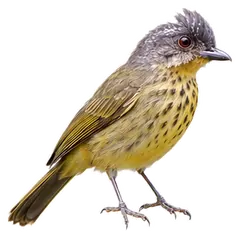 Spot-breasted AntvireoDysithamnus stictothorax
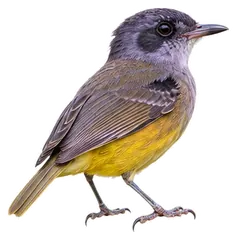 Plain AntvireoDysithamnus mentalis
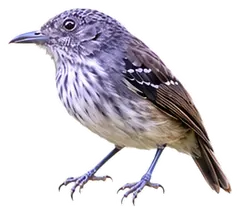 Streak-crowned AntvireoDysithamnus striaticeps
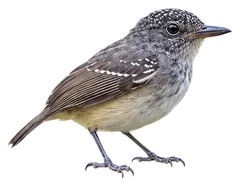 Spot-crowned AntvireoDysithamnus puncticeps
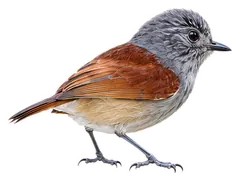 Rufous-backed AntvireoDysithamnus xanthopterus
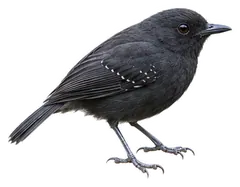 Plumbeous AntvireoDysithamnus plumbeus
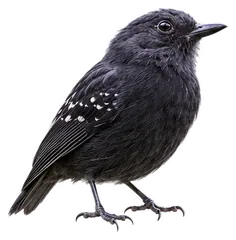 White-streaked AntvireoDysithamnus leucostictus
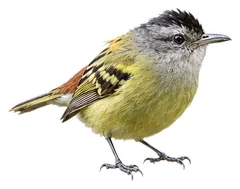 Rufous-rumped AntwrenEuchrepomis callinota
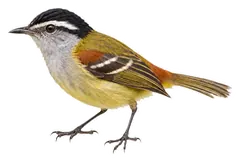 Chestnut-shouldered AntwrenEuchrepomis humeralis
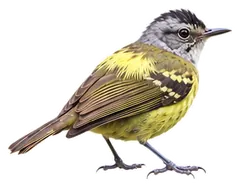 Yellow-rumped AntwrenEuchrepomis sharpei
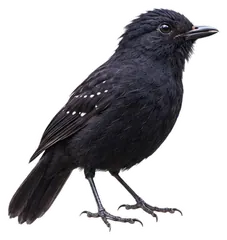
Download illustration
Free to use with credit: “Illustration: Bird Album (birdalbum.com)”. Drawn by AI from a reference photo by Ryan Shaw. ↗
Heard it but can't see it? Mingji identifies birds by sound and photo, on your phone.
In other languages
- EnglishBicolored Antvireo
- 简体中文西蚁鵙
- 繁體中文雙色蟻鵙
- 日本語ニショクアリモズ
- DeutschAnthrazitameisenvogel
- FrançaisBatara occidental
- EspañolBatarito bicolor
- Portuguêschoquinha-bicolor
- ItalianoVireo formichiero bicolore
- NederlandsChapmans Miervireo
- РусскийЗападный батарито
- Svenskasvart myrvireo
- DanskSort Myrevireo
- Polskikrępomrowiec stokowy