 Bird Album
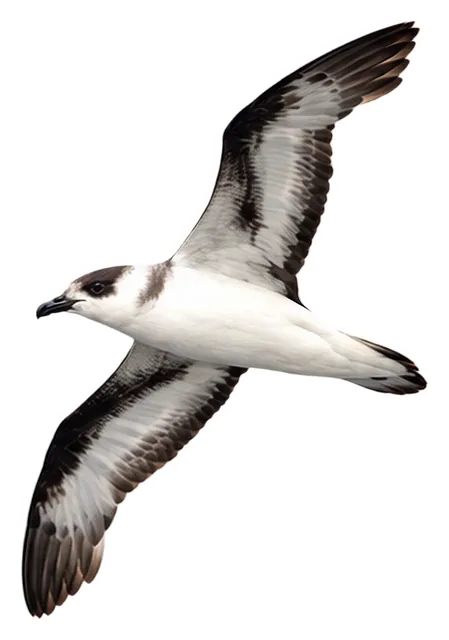
Black-capped Petrel
Pterodroma hasitata (Kuhl, 1820)
278 gWeight
The black-capped petrel (Pterodroma hasitata), also known as the diablotín, is a small seabird native to the West Indies in the genus Pterodroma.
Busiest months: August · Most records: Spain, Dominican Republic, Guadeloupe
Where and when it's recorded
Busiest months: August · Most records: Spain, Dominican Republic, Guadeloupe

Black-capped Petrel has been recorded at 11 of the 8,276 birding hotspots we track, in 7 countries and regions.
Records by month Northern Hemisphere
Where it's recorded most
- Estaca de Bares – Observatorio de aves y entornoSpain21 records
- Cabo Rojo - PedernalesDominican Republic16 records
- Petite TerreGuadeloupe11 records
More places
- Klein CuraçaoCuraçao4 records
- P.N. de la VisiteHaiti4 records
- Cape Island – CMPUnited States2 records
- Monumento Natural Bahía de las CalderasDominican Republic1 record
- Toronto – Toronto IslandsCanada1 record
- Mississauga – Rattray Marsh CACanada1 record
- Long Point – 'New' Provincial ParkCanada1 record
Countries and regions with the most records
eBird records via GBIF up to 2024-12-31. A record means someone listed it; more records partly mean more birders, not more birds.
About
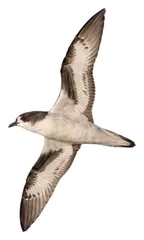
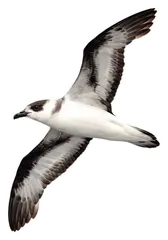
The black-capped petrel (Pterodroma hasitata), also known as the diablotín, is a small seabird native to the West Indies in the genus Pterodroma. It is a long-winged petrel with a grey-brown back and wings, with a white nape and rump. Underparts are mainly white apart from a black cap (that in some individuals extends to cover the eye) and some dark underwing markings.
Excerpt from Wikipedia, CC BY-SA 4.0 · authors · Read more on Wikipedia
Questions
How big is the Black-capped Petrel?
The Black-capped Petrel weighs around 278 g.
Where does the Black-capped Petrel live?
Its breeding range: Atlantic Ocean: montane Hispaniola ("Black-faced") and Dominica ("White-faced"), perhaps also southeastern Cuba and northeastern Jamaica; extinct as a breeder Guadeloupe. It is most often recorded in Spain, Dominican Republic and Guadeloupe.
When is the best time to see the Black-capped Petrel?
At the hotspots we track, it is recorded most in August (Northern Hemisphere).
Is the Black-capped Petrel endangered?
The IUCN Red List classifies the Black-capped Petrel as Endangered.
What does the Black-capped Petrel eat?
Main food: Fish, shrimp & shellfish.
What family is the Black-capped Petrel in?
It belongs to the family Petrels, Shearwaters, Diving Petrels (Procellariidae), order Procellariiformes.
At a glance
- Weight
- 278 g
- Habitat
- Ocean
- Diet
- Fish, shrimp & shellfish
- Lifestyle
- Varied
- Migration
- Partial migrant
- Conservation
- Endangered
More measurements
- Wing
- 277 mm
- Tail
- 123 mm
- Bill
- 33 mm
- Tarsus
- 36 mm
Averages from the AVONET dataset; length from field guides where available.
Range
Atlantic Ocean: montane Hispaniola ("Black-faced") and Dominica ("White-faced"), perhaps also southeastern Cuba and northeastern Jamaica; extinct as a breeder Guadeloupe
Breeding range, IOC World Bird List 15.2
Classification
- Order
- Procellariiformes
- Family
- Petrels, Shearwaters, Diving Petrels Procellariidae
- Genus
- Pterodroma
Other birds in the genus Pterodroma
 Great-winged PetrelPterodroma macroptera
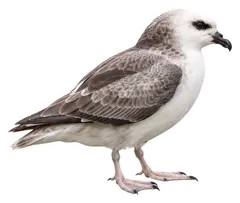 White-headed PetrelPterodroma lessonii
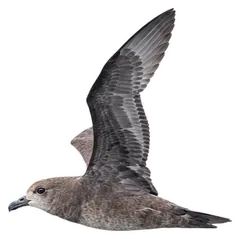 Grey-faced PetrelPterodroma gouldi
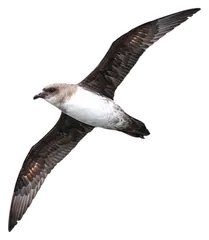 Atlantic PetrelPterodroma incerta
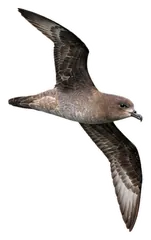 Providence PetrelPterodroma solandri
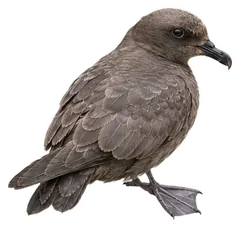 Magenta PetrelPterodroma magentae
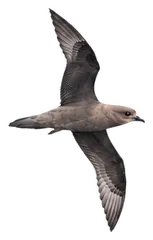 Murphy's PetrelPterodroma ultima
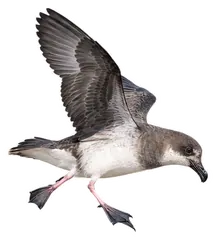 Soft-plumaged PetrelPterodroma mollis
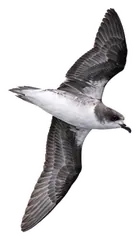 Zino's PetrelPterodroma madeira
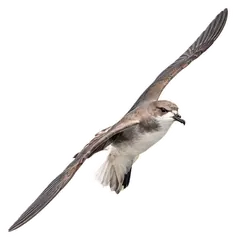 Fea's PetrelPterodroma feae
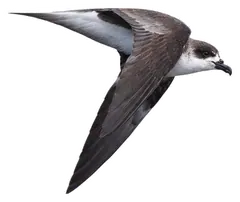 Desertas PetrelPterodroma deserta
 Bermuda PetrelPterodroma cahow
Download illustration
Free to use with credit: “Illustration: Bird Album (birdalbum.com)”. Drawn by AI from a reference photo by cotinis. ↗
Heard it but can't see it? Mingji identifies birds by sound and photo, on your phone.
In other languages
- EnglishBlack-capped Petrel
- 简体中文黑顶圆尾鹱
- 繁體中文黑頂圓尾鸌
- 日本語ズグロシロハラミズナギドリ
- DeutschTeufelssturmvogel
- FrançaisPétrel diablotin
- EspañolPetrel antillano
- Portuguêsfreira-das-antilhas
- ItalianoPetrello dal cappuccio
- NederlandsZwartkapstormvogel
- РусскийЧерношапочный тайфунник
- Svenskakaribpetrell
- DanskCariberpetrel
- Polskipetrel antylski