 Bird Album
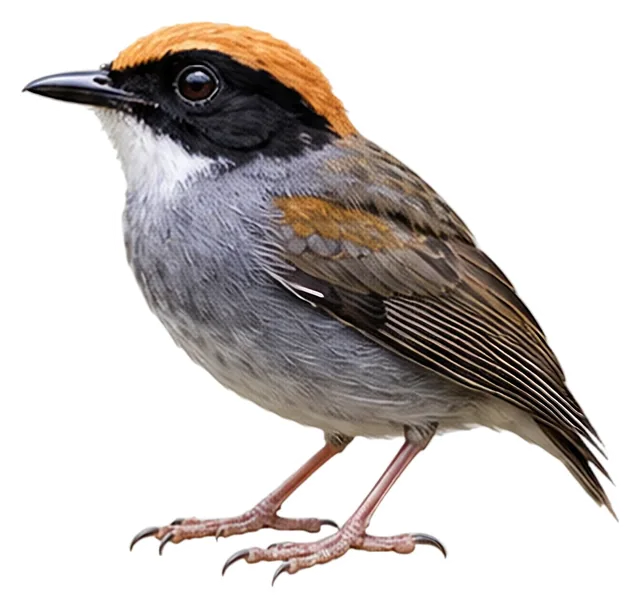
Black-cheeked Gnateater
Conopophaga melanops (Vieillot, 1818)
20 gWeight
The black-cheeked gnateater (Conopophaga melanops) is a species of bird in the family Conopophagidae endemic to Brazil.
Busiest months: May, July and September–October · Most records: Brazil
Where and when it's recorded

Black-cheeked Gnateater has been recorded at 42 of the 8,171 birding hotspots we track, in 1 country or region.
Records by month Southern Hemisphere
Where it's recorded most
- Ubatuba – Fazenda AngelimBrazil464 records
- Peruíbe – GuaraúBrazil409 records
- Linhares – Reserva Natural da Vale do Rio DoceBrazil328 records
More places
- Reserva Ecológica de GuapiaçuBrazil326 records
- Guaraú – Pousada Birdwatching Samambaia AzulBrazil251 records
- PE IntervalesBrazil237 records
- RPPN Pedra D'AntasBrazil234 records
- Área do Projeto DacnisBrazil203 records
- PE da Serra do Tabuleiro – Hotel Plaza Caldas da ImperatrizBrazil184 records
- Ubatuba – Sítio Folha SecaBrazil182 records
Countries and regions with the most records
eBird records via GBIF up to 2024-12-31. A record means someone listed it; more records partly mean more birders, not more birds.
About
The black-cheeked gnateater (Conopophaga melanops) is a species of bird in the family Conopophagidae endemic to Brazil. The male is distinguished by its orange crown, black face and white throat, while the female has brown plumage.
Excerpt from Wikipedia, CC BY-SA 4.0 · authors · Read more on Wikipedia
Questions
How big is the Black-cheeked Gnateater?
The Black-cheeked Gnateater weighs around 20 g.
Where does the Black-cheeked Gnateater live?
Its breeding range: South America: eastern, southeastern Brazil. It is most often recorded in Brazil.
When is the best time to see the Black-cheeked Gnateater?
At the hotspots we track, it is recorded most in May, July, September and October (Southern Hemisphere).
Is the Black-cheeked Gnateater endangered?
The IUCN Red List classifies the Black-cheeked Gnateater as Least Concern.
What does the Black-cheeked Gnateater eat?
Main food: Insects & other invertebrates.
What family is the Black-cheeked Gnateater in?
It belongs to the family Gnateaters (Conopophagidae), order Passerines (Passeriformes).
At a glance
- Weight
- 20 g
- Habitat
- Forest
- Diet
- Insects & other invertebrates
- Lifestyle
- Perches in trees
- Migration
- Resident (barely migrates)
- Conservation
- Least Concern
More measurements
- Wing
- 65 mm
- Tail
- 28 mm
- Bill
- 16 mm
- Tarsus
- 26 mm
Averages from the AVONET dataset; length from field guides where available.
Range
South America: eastern, southeastern Brazil
Breeding range, IOC World Bird List 15.2
Classification
- Order
- Passerines Passeriformes
- Family
- Gnateaters Conopophagidae
- Genus
- Conopophaga
Other birds in the genus Conopophaga
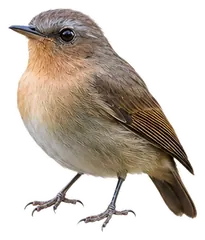 Rufous GnateaterConopophaga lineata
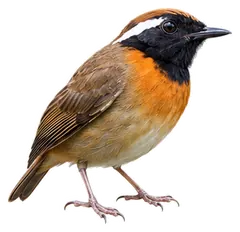 Chestnut-belted GnateaterConopophaga aurita
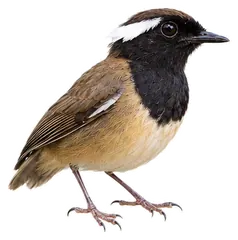 Black-breasted GnateaterConopophaga snethlageae
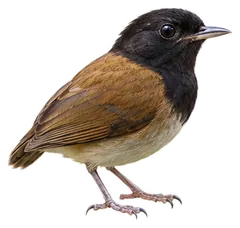 Hooded GnateaterConopophaga roberti
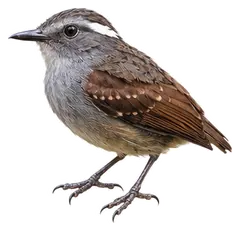 Ash-throated GnateaterConopophaga peruviana
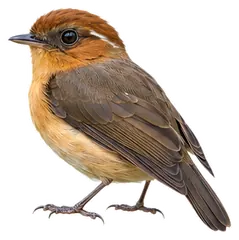 Ceara GnateaterConopophaga cearae
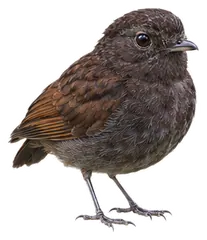 Slaty GnateaterConopophaga ardesiaca
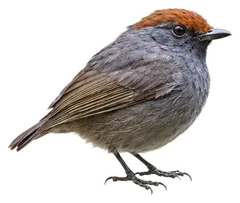 Chestnut-crowned GnateaterConopophaga castaneiceps
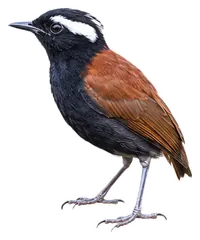 Black-bellied GnateaterConopophaga melanogaster
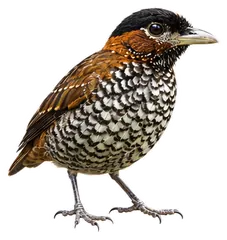 Black-crowned AntpittaPittasoma michleri
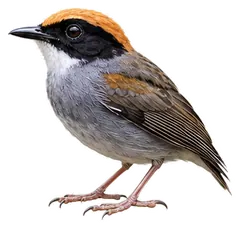
Download illustration
Free to use with credit: “Illustration: Bird Album (birdalbum.com)”. Drawn by AI from a reference photo by Paulo Mascaretti. ↗
Heard it but can't see it? Mingji identifies birds by sound and photo, on your phone.
In other languages
- EnglishBlack-cheeked Gnateater
- 简体中文黑颊食蚊鸟
- 繁體中文黑頰食蚊鳥
- 日本語ホオグロアリサザイ
- DeutschRotscheitel-Mückenfresser
- FrançaisConopophage à joues noires
- EspañolJejenero carinegro
- Portuguêscuspidor-de-máscara-preta
- ItalianoMoschiniere guancenere
- NederlandsZwartwangmuggeneter
- РусскийЧернощёкий гусеницеед
- Svenskasvartmaskad knottfågel
- DanskSortkindet Myggesnapper
- Polskimrówkożer maskowy