 Bird Album
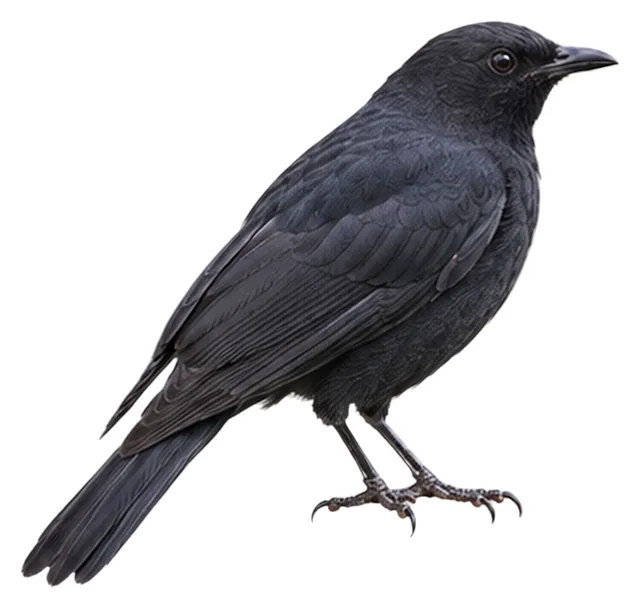
Black Cicadabird
Edolisoma melas (Lesson, RP, 1828)
59 gWeight
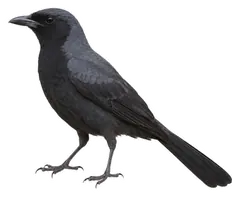
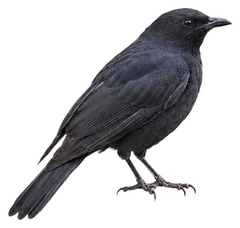
The black cicadabird (Edolisoma melas), also known as the New Guinea cuckooshrike or New Guinea cicadabird, is a species of bird in the family Campephagidae.
Busiest months: July–August · Most records: Papua New Guinea, Indonesia
Where and when it's recorded

Black Cicadabird has been recorded at 25 of the 8,171 birding hotspots we track, in 2 countries and regions.
Records by month Southern Hemisphere
Where it's recorded most
- Varirata National ParkPapua New Guinea513 records
- MalagufukIndonesia92 records
- Nimbokrang – Jalan Korea swamp forestIndonesia54 records
More places
- Malagufuk villageIndonesia52 records
- Alex Waisimon's PropertyIndonesia41 records
- Nimbokrang – KM 8Indonesia26 records
- NimbokrangIndonesia22 records
- Kwatu LodgePapua New Guinea17 records
- Elevala and Ketu RiversPapua New Guinea16 records
- Tabubil-Kiunga Rd – Km 17Papua New Guinea16 records
Countries and regions with the most records
eBird records via GBIF up to 2024-12-31. A record means someone listed it; more records partly mean more birders, not more birds.
About
The black cicadabird (Edolisoma melas), also known as the New Guinea cuckooshrike or New Guinea cicadabird, is a species of bird in the family Campephagidae. It is found in the Aru Islands and New Guinea. Its natural habitats are subtropical or tropical moist lowland forest and subtropical or tropical mangrove forest.
Excerpt from Wikipedia, CC BY-SA 4.0 · authors · Read more on Wikipedia
Questions
How big is the Black Cicadabird?
The Black Cicadabird weighs around 59 g.
Where does the Black Cicadabird live?
Its breeding range: Australasia: New Guinea and western satellites. It is most often recorded in Papua New Guinea and Indonesia.
When is the best time to see the Black Cicadabird?
At the hotspots we track, it is recorded most in July and August (Southern Hemisphere).
Is the Black Cicadabird endangered?
The IUCN Red List classifies the Black Cicadabird as Least Concern.
What does the Black Cicadabird eat?
Main food: Insects & other invertebrates.
What family is the Black Cicadabird in?
It belongs to the family Cuckooshrikes (Campephagidae), order Passerines (Passeriformes).
At a glance
- Weight
- 59 g
- Habitat
- Forest
- Diet
- Insects & other invertebrates
- Lifestyle
- Perches in trees
- Migration
- Resident (barely migrates)
- Conservation
- Least Concern
More measurements
- Wing
- 119 mm
- Tail
- 89 mm
- Bill
- 25 mm
- Tarsus
- 23 mm
Averages from the AVONET dataset; length from field guides where available.
Range
Australasia: New Guinea and western satellites
Breeding range, IOC World Bird List 15.2
Classification
- Order
- Passerines Passeriformes
- Family
- Cuckooshrikes Campephagidae
- Genus
- Edolisoma
Other birds in the genus Edolisoma
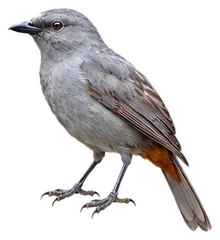 New Caledonian CuckooshrikeEdolisoma anale
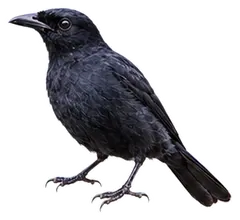 Blackish CuckooshrikeEdolisoma coerulescens
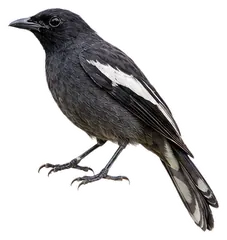 White-winged CuckooshrikeEdolisoma ostentum
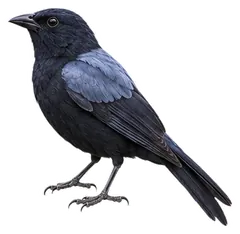 Black-bellied CuckooshrikeEdolisoma montanum
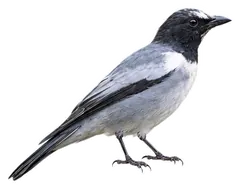 Pale-shouldered CicadabirdEdolisoma dohertyi
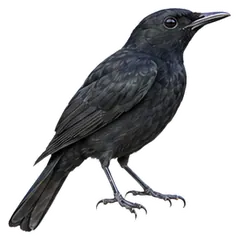 Kai CicadabirdEdolisoma dispar
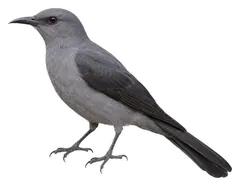 Timor CicadabirdEdolisoma timoriense
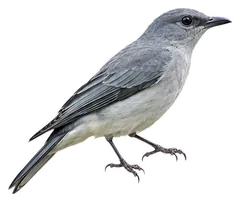 Pale CicadabirdEdolisoma ceramense
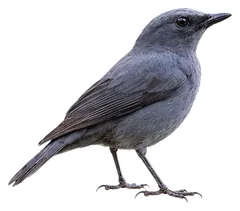 Pohnpei CicadabirdEdolisoma insperatum
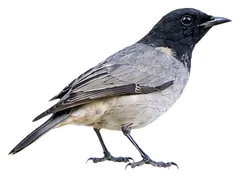 Black-bibbed CicadabirdEdolisoma mindanense
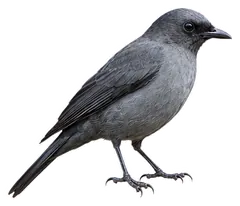 Grey-headed CuckooshrikeEdolisoma schisticeps
 Solomons CicadabirdEdolisoma holopolium
Download illustration
Free to use with credit: “Illustration: Bird Album (birdalbum.com)”. Drawn by AI from a reference photo by manuelquiroga1. ↗
Heard it but can't see it? Mingji identifies birds by sound and photo, on your phone.