 Bird Album
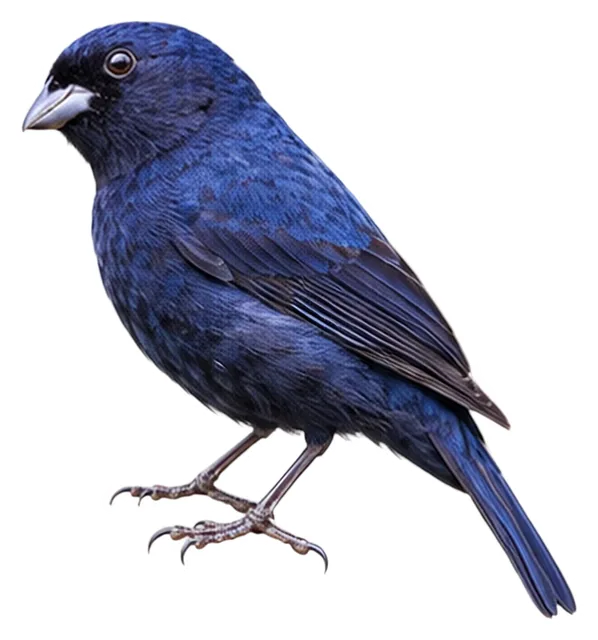
Blackish-blue Seedeater
Amaurospiza moesta (Hartlaub, 1853)
12–12 cmLength14 gWeight
The blackish-blue seedeater (Amaurospiza moesta) is a species of bird in the family Cardinalidae, the cardinals or cardinal grosbeaks.
Busiest months: October · Most records: Argentina, Brazil, Paraguay
Where and when it's recorded

Blackish-blue Seedeater has been recorded at 40 of the 8,171 birding hotspots we track, in 3 countries and regions.
Records by month Southern Hemisphere
Where it's recorded most
- PP Urugua-í – Seccional UruzúArgentina526 records
- PP de la AraucariaArgentina201 records
- Salesópolis – Sítio MacuquinhoBrazil191 records
More places
- PP Cruce CaballeroArgentina69 records
- PP Caá YaríArgentina61 records
- PN Iguazú – Ruta 101Argentina51 records
- PN Iguazú – Área CataratasArgentina33 records
- Parque Federal Campo San JuanArgentina32 records
- PN Iguazú – Observatorio de Aves Daniel Pupi SomayArgentina28 records
- El Puente Verde Reserva de Aves ArgentinasArgentina23 records
Countries and regions with the most records
eBird records via GBIF up to 2024-12-31. A record means someone listed it; more records partly mean more birders, not more birds.
About
The blackish-blue seedeater (Amaurospiza moesta) is a species of bird in the family Cardinalidae, the cardinals or cardinal grosbeaks. It is found in Argentina, Brazil, and Paraguay.
Excerpt from Wikipedia, CC BY-SA 4.0 · authors · Read more on Wikipedia
Questions
How big is the Blackish-blue Seedeater?
The Blackish-blue Seedeater is about 12–12 cm long and weighs around 14 g.
Where does the Blackish-blue Seedeater live?
Its breeding range: South America: eastern Paraguay, northeastern Argentina and southern Brazil. It is most often recorded in Argentina, Brazil and Paraguay.
When is the best time to see the Blackish-blue Seedeater?
At the hotspots we track, it is recorded most in October (Southern Hemisphere).
Is the Blackish-blue Seedeater endangered?
The IUCN Red List classifies the Blackish-blue Seedeater as Least Concern.
What does the Blackish-blue Seedeater eat?
Main food: Seeds.
What family is the Blackish-blue Seedeater in?
It belongs to the family Cardinals & Allies (Cardinalidae), order Passerines (Passeriformes).
At a glance
- Length
- 12–12 cm
- Weight
- 14 g
- Habitat
- Forest
- Diet
- Seeds
- Lifestyle
- Perches in trees
- Migration
- Resident (barely migrates)
- Conservation
- Least Concern
More measurements
- Wing
- 62 mm
- Tail
- 58 mm
- Bill
- 13 mm
- Tarsus
- 18 mm
Averages from the AVONET dataset; length from field guides where available.
Range
South America: eastern Paraguay, northeastern Argentina and southern Brazil
Breeding range, IOC World Bird List 15.2
Classification
- Order
- Passerines Passeriformes
- Family
- Cardinals & Allies Cardinalidae
- Genus
- Amaurospiza
Other birds in the genus Amaurospiza
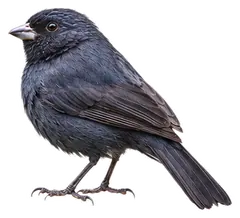 Blue SeedeaterAmaurospiza concolor
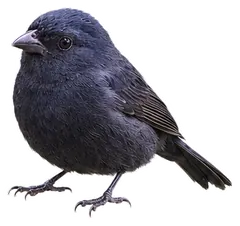 Ecuadorian SeedeaterAmaurospiza aequatorialis
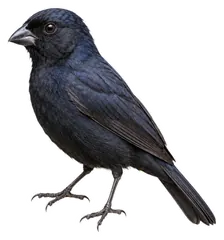 Carrizal SeedeaterAmaurospiza carrizalensis
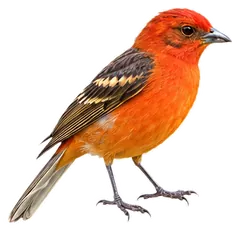 Flame-colored TanagerPiranga bidentata
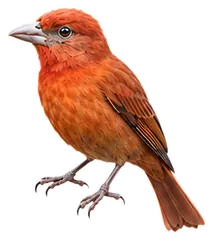 Tooth-billed TanagerPiranga lutea
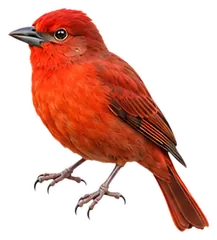 Red TanagerPiranga flava
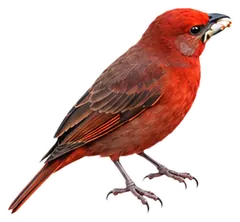 Hepatic TanagerPiranga hepatica
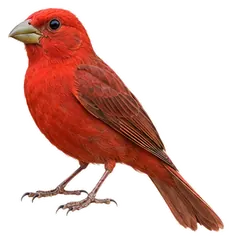 Summer TanagerPiranga rubra
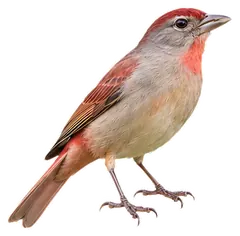 Rose-throated TanagerPiranga roseogularis
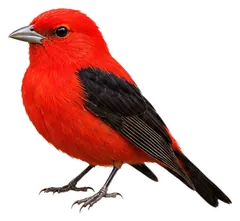 Scarlet TanagerPiranga olivacea
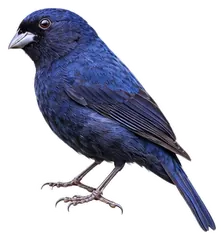
Download illustration
Free to use with credit: “Illustration: Bird Album (birdalbum.com)”. Drawn by AI from a reference photo by Juliano Marques. ↗
Heard it but can't see it? Mingji identifies birds by sound and photo, on your phone.
In other languages
- EnglishBlackish-blue Seedeater
- 简体中文黑蓝籽雀
- 繁體中文黑藍食籽雀
- 日本語ノドグロシコンコメワリ
- DeutschDunkelkardinal
- FrançaisÉvêque noirâtre
- EspañolSemillero negruzco
- Portuguêsnegrinho-do-mato
- ItalianoBeccasemi blunerastro
- NederlandsZwart-blauw Dikbekje
- РусскийЧёрно-синий кардинальчик
- Svenskabläckkardinal
- DanskBlåsort Frøfinke
- Polskiindygówka ciemna