 Bird Album
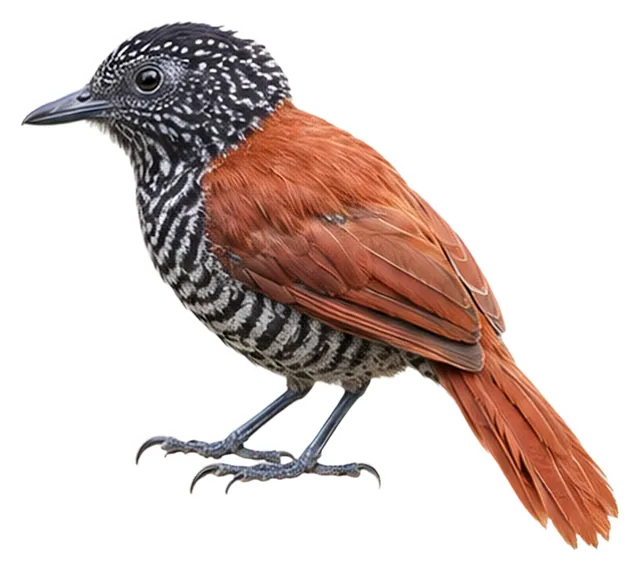
Chestnut-backed Antshrike
Thamnophilus palliatus (Lichtenstein, MHC, 1823)
16–17 cmLength27 gWeight
The chestnut-backed antshrike (Thamnophilus palliatus) is a species of bird in subfamily Thamnophilinae of family Thamnophilidae, the "typical antbirds".
Busiest months: August–October · Most records: Brazil, Peru, Bolivia
Where and when it's recorded

Chestnut-backed Antshrike has been recorded at 50 of the 8,171 birding hotspots we track, in 4 countries and regions.
Records by month Southern Hemisphere
Where it's recorded most
- Reserva Ecológica de GuapiaçuBrazil794 records
- Cock-of-the-Rock Lodge & Manu Paradise LodgePeru633 records
- ACP Bosque de ChurumazúPeru370 records
More places
- Jardim Botânico do Rio de JaneiroBrazil370 records
- Niterói – Rio João MendesBrazil356 records
- Reserva Ecológica de Guapiaçu – AlagadosBrazil310 records
- Rio Cristalino – listas históricasBrazil306 records
- Angra dos Reis – Sertão de Mambucaba/PerequêBrazil273 records
- Manu BiolodgePeru170 records
- Refugio Los VolcanesBolivia133 records
Countries and regions with the most records
eBird records via GBIF up to 2024-12-31. A record means someone listed it; more records partly mean more birders, not more birds.
About
The chestnut-backed antshrike (Thamnophilus palliatus) is a species of bird in subfamily Thamnophilinae of family Thamnophilidae, the "typical antbirds". It is found in Bolivia, Brazil, and Peru.
Excerpt from Wikipedia, CC BY-SA 4.0 · authors · Read more on Wikipedia
Questions
How big is the Chestnut-backed Antshrike?
The Chestnut-backed Antshrike is about 16–17 cm long and weighs around 27 g.
Where does the Chestnut-backed Antshrike live?
Its breeding range: South America: southern Amazonia and southeastern Brazil. It is most often recorded in Brazil, Peru and Bolivia.
When is the best time to see the Chestnut-backed Antshrike?
At the hotspots we track, it is recorded most in August, September and October (Southern Hemisphere).
Is the Chestnut-backed Antshrike endangered?
The IUCN Red List classifies the Chestnut-backed Antshrike as Least Concern.
What does the Chestnut-backed Antshrike eat?
Main food: Insects & other invertebrates.
What family is the Chestnut-backed Antshrike in?
It belongs to the family Antbirds (Thamnophilidae), order Passerines (Passeriformes).
At a glance
- Length
- 16–17 cm
- Weight
- 27 g
- Habitat
- Towns & farmland
- Diet
- Insects & other invertebrates
- Lifestyle
- Perches in trees
- Migration
- Resident (barely migrates)
- Conservation
- Least Concern
More measurements
- Wing
- 71 mm
- Tail
- 66 mm
- Bill
- 21 mm
- Tarsus
- 25 mm
Averages from the AVONET dataset; length from field guides where available.
Range
South America: southern Amazonia and southeastern Brazil
Breeding range, IOC World Bird List 15.2
Classification
- Order
- Passerines Passeriformes
- Family
- Antbirds Thamnophilidae
- Genus
- Thamnophilus
Other birds in the genus Thamnophilus
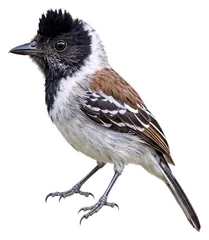 Collared AntshrikeThamnophilus bernardi
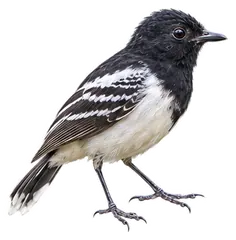 Black-backed AntshrikeThamnophilus melanonotus
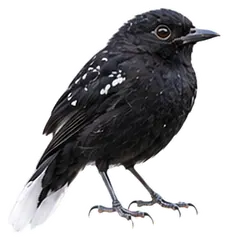 Band-tailed AntshrikeThamnophilus melanothorax
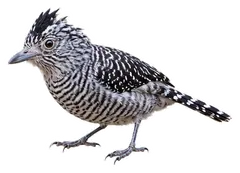 Barred AntshrikeThamnophilus doliatus
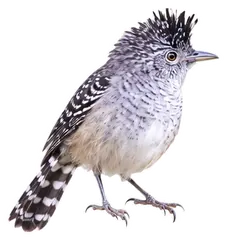 Chapman's AntshrikeThamnophilus zarumae
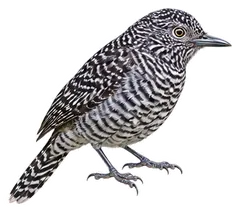 Bar-crested AntshrikeThamnophilus multistriatus
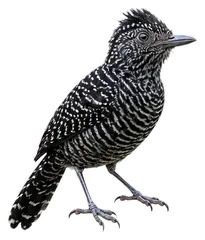 Lined AntshrikeThamnophilus tenuepunctatus
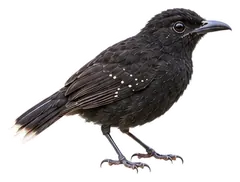 Black-hooded AntshrikeThamnophilus bridgesi
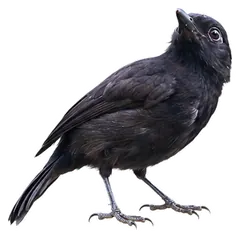 Black AntshrikeThamnophilus nigriceps
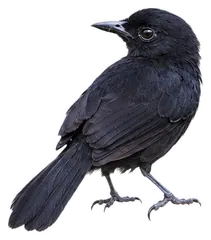 Cocha AntshrikeThamnophilus praecox
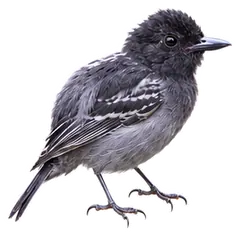 Blackish-grey AntshrikeThamnophilus nigrocinereus
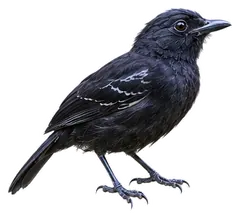 Castelnau's AntshrikeThamnophilus cryptoleucus
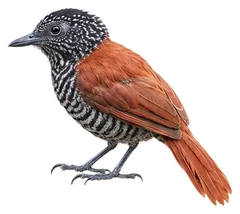
Download illustration
Free to use with credit: “Illustration: Bird Album (birdalbum.com)”. Drawn by AI from a reference photo by Phil Benstead. ↗
Heard it but can't see it? Mingji identifies birds by sound and photo, on your phone.
In other languages
- EnglishChestnut-backed Antshrike
- 简体中文栗背蚁鵙
- 繁體中文栗背蟻鵙
- 日本語セグロシマアリモズ
- DeutschDunkelmantel-Ameisenwürger
- FrançaisBatara mantelé
- EspañolBatará dorsicastaño
- Portuguêschoca-listrada
- ItalianoAverla formichiera dorsocastano
- NederlandsGestreepte Mierklauwier
- РусскийРыжеспинный колючник
- Svenskakastanjeryggig myrtörnskata
- DanskBrunrygget Myretornskade
- Polskichronka rdzawogrzbieta