 Bird Album
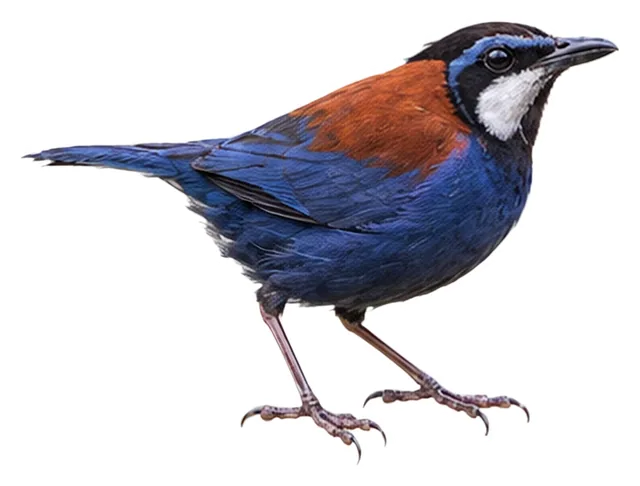
Chestnut-backed Jewel-babbler
Ptilorrhoa castanonota (Salvadori, 1876)
70 gWeight
The chestnut-backed jewel-babbler (Ptilorrhoa castanonota) is a species of bird in the family Cinclosomatidae.
Busiest months: July · Most records: Papua New Guinea, Indonesia
Where and when it's recorded

Chestnut-backed Jewel-babbler has been recorded at 10 of the 8,171 birding hotspots we track, in 2 countries and regions.
Records by month Southern Hemisphere
Where it's recorded most
- Varirata National ParkPapua New Guinea428 records
- Sera (formerly Crater Mountain) Biological Research StationPapua New Guinea46 records
- Dablin Creek RoadPapua New Guinea41 records
More places
- Arfak Mtns – MaybriIndonesia22 records
- Tabubil AreaPapua New Guinea17 records
- Minggre Birdwatching HomestayIndonesia7 records
- Ok Menga Hydro IntakePapua New Guinea6 records
- Tabubil-Kiunga Rd – Km 17Papua New Guinea1 record
- Ambua LodgePapua New Guinea1 record
- Pacific Adventist UniversityPapua New Guinea1 record
Countries and regions with the most records
eBird records via GBIF up to 2024-12-31. A record means someone listed it; more records partly mean more birders, not more birds.
About
The chestnut-backed jewel-babbler (Ptilorrhoa castanonota) is a species of bird in the family Cinclosomatidae. It is endemic to New Guinea. Its natural habitats are subtropical or tropical moist lowland forests and subtropical or tropical moist montane forests.
Excerpt from Wikipedia, CC BY-SA 4.0 · authors · Read more on Wikipedia
Questions
How big is the Chestnut-backed Jewel-babbler?
The Chestnut-backed Jewel-babbler weighs around 70 g.
Where does the Chestnut-backed Jewel-babbler live?
Its breeding range: Australasia: montane New Guinea. It is most often recorded in Papua New Guinea and Indonesia.
When is the best time to see the Chestnut-backed Jewel-babbler?
At the hotspots we track, it is recorded most in July (Southern Hemisphere).
Is the Chestnut-backed Jewel-babbler endangered?
The IUCN Red List classifies the Chestnut-backed Jewel-babbler as Least Concern.
What does the Chestnut-backed Jewel-babbler eat?
Main food: Insects & other invertebrates.
What family is the Chestnut-backed Jewel-babbler in?
It belongs to the family Jewel-babblers, Quail-thrushes (Cinclosomatidae), order Passerines (Passeriformes).
At a glance
- Weight
- 70 g
- Habitat
- Forest
- Diet
- Insects & other invertebrates
- Lifestyle
- Active on the ground
- Migration
- Partial migrant
- Conservation
- Least Concern
More measurements
- Wing
- 93 mm
- Tail
- 98 mm
- Bill
- 28 mm
- Tarsus
- 35 mm
Averages from the AVONET dataset; length from field guides where available.
Range
Australasia: montane New Guinea
Breeding range, IOC World Bird List 15.2
Classification
- Order
- Passerines Passeriformes
- Family
- Jewel-babblers, Quail-thrushes Cinclosomatidae
- Genus
- Ptilorrhoa
Other birds in the genus Ptilorrhoa
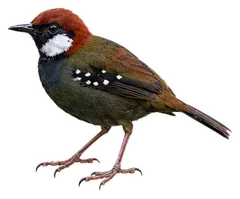 Spotted Jewel-babblerPtilorrhoa leucosticta
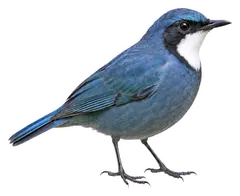 Blue Jewel-babblerPtilorrhoa caerulescens
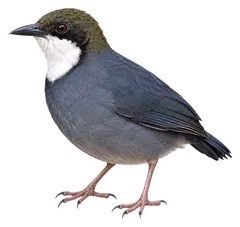 Brown-headed Jewel-babblerPtilorrhoa geislerorum
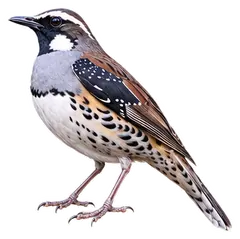 Spotted Quail-thrushCinclosoma punctatum
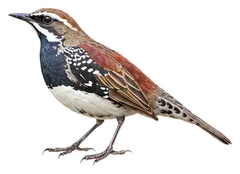 Chestnut Quail-thrushCinclosoma castanotum
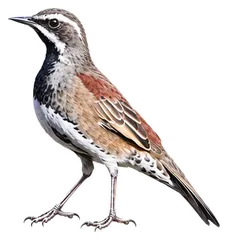 Copperback Quail-thrushCinclosoma clarum
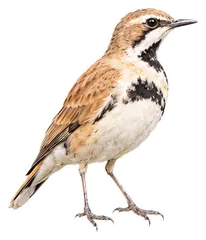 Cinnamon Quail-thrushCinclosoma cinnamomeum
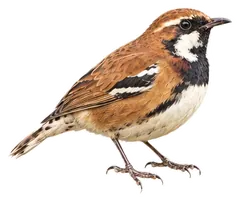 Nullarbor Quail-thrushCinclosoma alisteri
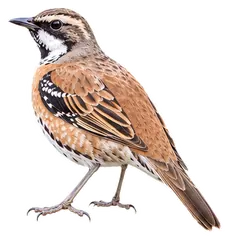 Chestnut-breasted Quail-thrushCinclosoma castaneothorax
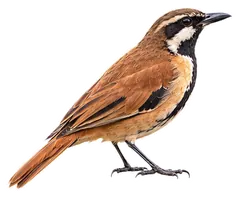 Western Quail-thrushCinclosoma marginatum
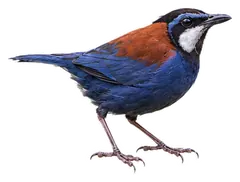
Download illustration
Free to use with credit: “Illustration: Bird Album (birdalbum.com)”. Drawn by AI from a reference photo by Marc Thibault. ↗
Heard it but can't see it? Mingji identifies birds by sound and photo, on your phone.
In other languages
- EnglishChestnut-backed Jewel-babbler
- 简体中文栗背丽鸫
- 繁體中文栗背麗鶇
- 日本語ヤマパプアチメドリ
- DeutschBuntflöter
- FrançaisPtilorrhoa à dos roux
- EspañolZordala dorsicastaña
- Portuguêstordal-de-dorso-castanho
- ItalianoGarrulo splendido dorsocastano
- NederlandsBonte Juweelbabbelaar
- РусскийКаштановый флейтист
- Svenskabrunryggig prakttrast
- DanskBrunrygget Juveltimalie
- Polskiściółkarz strojny