 Bird Album
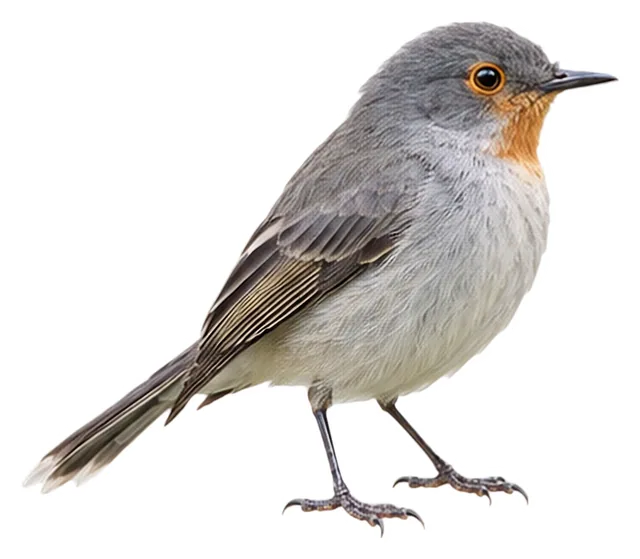
Chestnut-throated Apalis
Apalis porphyrolaema Reichenow & Neumann, 1895
12 cmLength8.4 gWeight
The chestnut-throated apalis (Apalis porphyrolaema) is a species of bird in the cisticola family Cisticolidae.
Busiest months: July · Most records: Uganda, Kenya, Rwanda
Where and when it's recorded
Busiest months: July · Most records: Uganda, Kenya, Rwanda

Chestnut-throated Apalis has been recorded at 26 of the 8,276 birding hotspots we track, in 4 countries and regions.
Records by month Southern Hemisphere
Where it's recorded most
- Bwindi-Impenetrable NP – RuhijaUganda457 records
- Mt Kenya NP – Castle Forest and LodgeKenya395 records
- Gatamaiyu ForestKenya249 records
More places
- Mgahinga Gorilla NPUganda176 records
- Bwindi-Impenetrable Forest NP – Ruhija to Broadbill WalkUganda164 records
- Bwindi-Impenetrable NP – Mubwindi SwampUganda145 records
- Nyungwe NP – UwinkaRwanda140 records
- Nyungwe Forest NPRwanda100 records
- Nyungwe NP – Rangiro RoadRwanda68 records
- Naro Moru River LodgeKenya62 records
Countries and regions with the most records
eBird records via GBIF up to 2024-12-31. A record means someone listed it; more records partly mean more birders, not more birds.
About
The chestnut-throated apalis (Apalis porphyrolaema) is a species of bird in the cisticola family Cisticolidae. The Kabobo apalis, originally described as a distinct species, is usually treated as a subspecies A. p. kaboboensis of the chestnut-throated apalis today. It is itself sometimes considered to be the same species as the Chapin's apalis.
Excerpt from Wikipedia, CC BY-SA 4.0 · authors · Read more on Wikipedia
Questions
How big is the Chestnut-throated Apalis?
The Chestnut-throated Apalis is about 12 cm long and weighs around 8.4 g.
Where does the Chestnut-throated Apalis live?
Its breeding range: Africa: eastern DR Congo, Uganda, southwestern Kenya, Rwanda, Burundi and northern Tanzania. It is most often recorded in Uganda, Kenya and Rwanda.
When is the best time to see the Chestnut-throated Apalis?
At the hotspots we track, it is recorded most in July (Southern Hemisphere).
Is the Chestnut-throated Apalis endangered?
The IUCN Red List classifies the Chestnut-throated Apalis as Least Concern.
What does the Chestnut-throated Apalis eat?
Main food: Insects & other invertebrates.
What family is the Chestnut-throated Apalis in?
It belongs to the family Cisticolas & Allies (Cisticolidae), order Passerines (Passeriformes).
At a glance
- Length
- 12 cm
- Weight
- 8.4 g
- Habitat
- Forest
- Diet
- Insects & other invertebrates
- Lifestyle
- Perches in trees
- Migration
- Resident (barely migrates)
- Conservation
- Least Concern
More measurements
- Wing
- 51 mm
- Tail
- 56 mm
- Bill
- 12 mm
- Tarsus
- 18 mm
Averages from the AVONET dataset; length from field guides where available.
Range
Africa: eastern DR Congo, Uganda, southwestern Kenya, Rwanda, Burundi and northern Tanzania
Breeding range, IOC World Bird List 15.2
Classification
- Order
- Passerines Passeriformes
- Family
- Cisticolas & Allies Cisticolidae
- Genus
- Apalis
Other birds in the genus Apalis
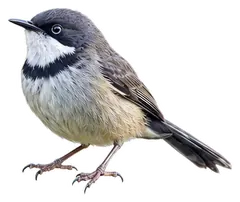 Bar-throated ApalisApalis thoracica
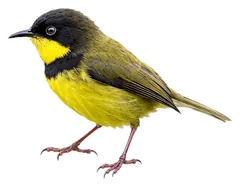 Yellow-throated ApalisApalis flavigularis
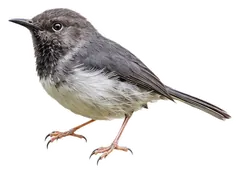 Taita ApalisApalis fuscigularis
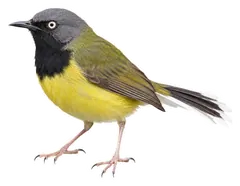 Namuli ApalisApalis lynesi
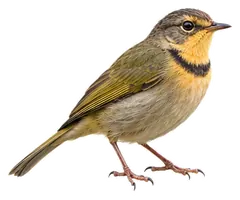 Rudd's ApalisApalis ruddi
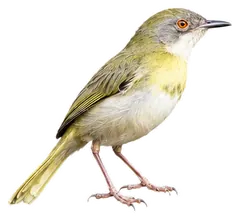 Brown-tailed ApalisApalis flavocincta
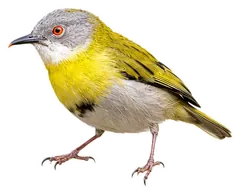 Yellow-breasted ApalisApalis flavida
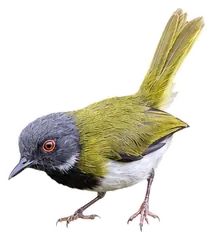 Lowland Masked ApalisApalis binotata
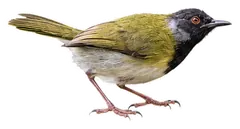 Mountain Masked ApalisApalis personata
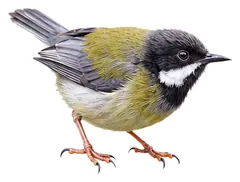 Black-throated ApalisApalis jacksoni
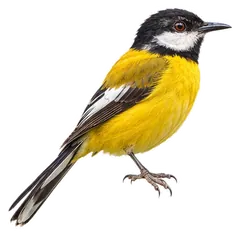 White-winged ApalisApalis chariessa
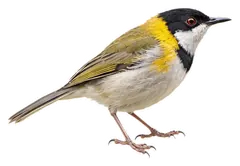 Black-capped ApalisApalis nigriceps
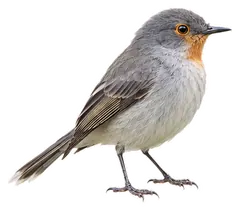
Download illustration
Free to use with credit: “Illustration: Bird Album (birdalbum.com)”. Drawn by AI from a reference photo by Nik Borrow. ↗
Heard it but can't see it? Mingji identifies birds by sound and photo, on your phone.
In other languages
- EnglishChestnut-throated Apalis
- 简体中文栗喉娇莺
- 繁體中文栗喉嬌鶯
- 日本語クリノドイロムシクイ
- DeutschBergfeinsänger
- FrançaisApalis à gorge marron
- EspañolApalis gorjicastaño
- Portuguêsapális-de-garganta-castanha
- ItalianoApalis golacastana
- NederlandsBergapalis
- РусскийРыжегорлый апалис
- Svenskakastanjestrupig apalis
- DanskKastanjestrubet Apalis
- Polskinikornik rdzwogardły