 Bird Album
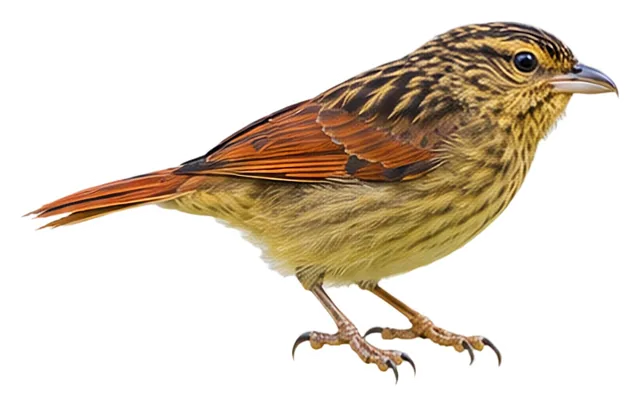
Chestnut-winged Hookbill
Ancistrops strigilatus (Spix, 1825)
36 gWeight
The chestnut-winged hookbill (Ancistrops strigilatus) is a species of bird in the Furnariinae subfamily of the ovenbird family Furnariidae.
Busiest months: July · Most records: Peru, Ecuador, Brazil
Where and when it's recorded

Chestnut-winged Hookbill has been recorded at 56 of the 8,171 birding hotspots we track, in 5 countries and regions.
Records by month Southern Hemisphere
Where it's recorded most
- Los Amigos Biological StationPeru299 records
- Explorer's InnPeru184 records
- Rio Cristalino – listas históricasBrazil158 records
More places
- Secret Forest LodgePeru153 records
- Pantiacolla LodgePeru99 records
- Tiputini Biodiversity StationEcuador87 records
- Sacha LodgeEcuador83 records
- Gareno LodgeEcuador72 records
- Manu Birding LodgePeru71 records
- Refugio Amazonas LodgePeru70 records
Countries and regions with the most records
eBird records via GBIF up to 2024-12-31. A record means someone listed it; more records partly mean more birders, not more birds.
About
The chestnut-winged hookbill (Ancistrops strigilatus) is a species of bird in the Furnariinae subfamily of the ovenbird family Furnariidae. It is found in Bolivia, Brazil, Colombia, Ecuador, and Peru.
Excerpt from Wikipedia, CC BY-SA 4.0 · authors · Read more on Wikipedia
Questions
How big is the Chestnut-winged Hookbill?
The Chestnut-winged Hookbill weighs around 36 g.
Where does the Chestnut-winged Hookbill live?
Its breeding range: South America: western, central Amazonia. It is most often recorded in Peru, Ecuador and Brazil.
When is the best time to see the Chestnut-winged Hookbill?
At the hotspots we track, it is recorded most in July (Southern Hemisphere).
Is the Chestnut-winged Hookbill endangered?
The IUCN Red List classifies the Chestnut-winged Hookbill as Least Concern.
What does the Chestnut-winged Hookbill eat?
Main food: Insects & other invertebrates.
What family is the Chestnut-winged Hookbill in?
It belongs to the family Ovenbirds (Furnariidae), order Passerines (Passeriformes).
At a glance
- Weight
- 36 g
- Habitat
- Forest
- Diet
- Insects & other invertebrates
- Lifestyle
- Perches in trees
- Migration
- Resident (barely migrates)
- Conservation
- Least Concern
More measurements
- Wing
- 93 mm
- Tail
- 72 mm
- Bill
- 23 mm
- Tarsus
- 23 mm
Averages from the AVONET dataset; length from field guides where available.
Range
South America: western, central Amazonia
Breeding range, IOC World Bird List 15.2
Classification
- Order
- Passerines Passeriformes
- Family
- Ovenbirds Furnariidae
- Genus
- Ancistrops
More from the family Ovenbirds
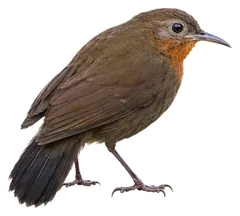 Tawny-throated LeaftosserSclerurus mexicanus
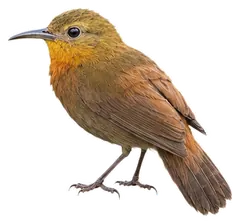 Dusky LeaftosserSclerurus obscurior
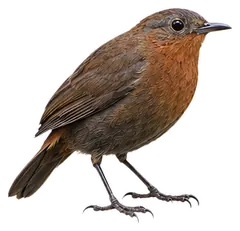 Short-billed LeaftosserSclerurus rufigularis
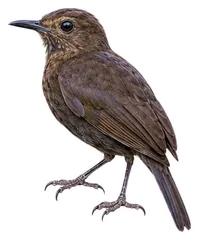 Scaly-throated LeaftosserSclerurus guatemalensis
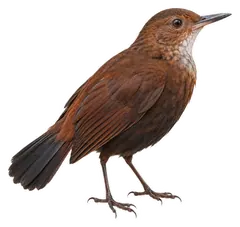 Black-tailed LeaftosserSclerurus caudacutus
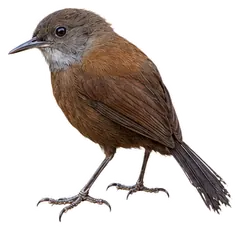 Grey-throated LeaftosserSclerurus albigularis
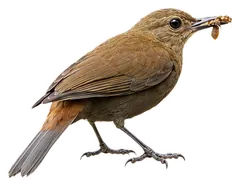 Rufous-breasted LeaftosserSclerurus scansor
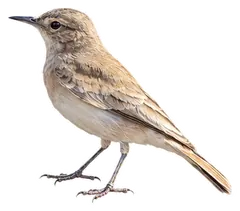 Coastal MinerGeositta peruviana
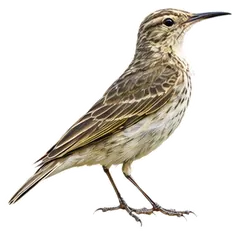 Slender-billed MinerGeositta tenuirostris
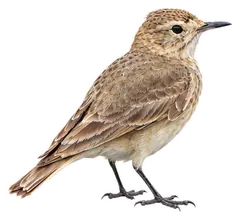 Common MinerGeositta cunicularia
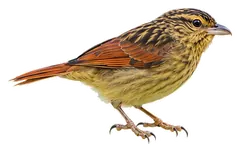
Download illustration
Free to use with credit: “Illustration: Bird Album (birdalbum.com)”. Drawn by AI from a reference photo by Thibaud Aronson. ↗
Heard it but can't see it? Mingji identifies birds by sound and photo, on your phone.
In other languages
- EnglishChestnut-winged Hookbill
- 简体中文栗翅钩嘴雀
- 繁體中文栗翅鉤嘴雀
- 日本語カギハシカマドドリ
- DeutschHakenschnabel-Blattspäher
- FrançaisAnabate à bec crochu
- EspañolTicotico picogancho
- Portuguêslimpa-folha-picanço
- ItalianoUncibecco alicastane
- NederlandsHaakbekbladspeurder
- РусскийКрючкоклювый лесовик
- Svenskakrumnäbb
- DanskKrognæbbet Løvkæmmer
- Polskirdzawczyk kreskowany