 Bird Album
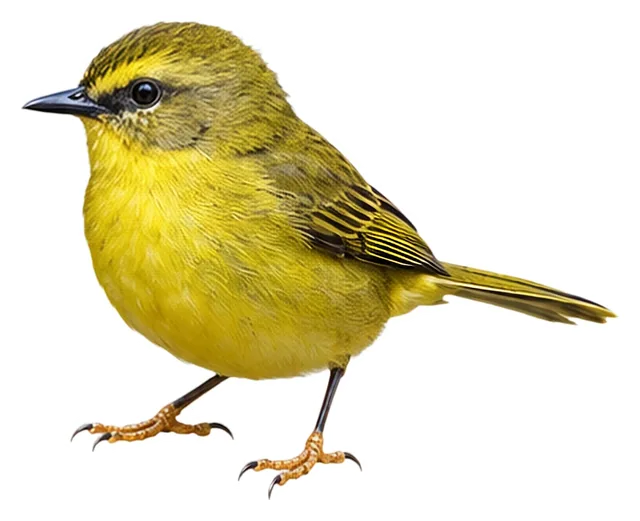
Citrine Warbler
Myiothlypis luteoviridis (Bonaparte, 1845)
13–14 cmLength13 gWeight
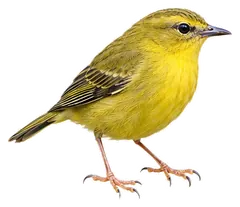
The citrine warbler (Myiothlypis luteoviridis) is a species of bird in the family Parulidae, the New World warblers.
Most records: Colombia, Ecuador, Peru
Where and when it's recorded

Citrine Warbler has been recorded at 78 of the 8,171 birding hotspots we track, in 4 countries and regions.
Records by month Southern Hemisphere
Where it's recorded most
- Reserva Tapichalaca y Casa SimpsonEcuador824 records
- RNA Loro OrejiamarilloColombia554 records
- Guango LodgeEcuador366 records
More places
- Colibrí del Sol ProAves ReserveColombia232 records
- Trocha Cresta de San LorenzoPeru194 records
- Bosque Unchog (Valqui D5.3)Peru189 records
- Wayqecha Cloud Forest Birding LodgePeru186 records
- Carretera a Manú – Túneles PillahuataPeru161 records
- Chuspipata – upper Old Coroico Rd.Bolivia143 records
- ACP Abra Patricia – Owlet LodgePeru138 records
Countries and regions with the most records
eBird records via GBIF up to 2024-12-31. A record means someone listed it; more records partly mean more birders, not more birds.
About
The citrine warbler (Myiothlypis luteoviridis) is a species of bird in the family Parulidae, the New World warblers. It is found in Bolivia, Colombia, Ecuador, Peru, and Venezuela. The species' English name derives from the Latin citrus which means "yellow".
Excerpt from Wikipedia, CC BY-SA 4.0 · authors · Read more on Wikipedia
Questions
How big is the Citrine Warbler?
The Citrine Warbler is about 13–14 cm long and weighs around 13 g.
Where does the Citrine Warbler live?
Its breeding range: South America: Venezuela to northern Bolivia. It is most often recorded in Colombia, Ecuador and Peru.
Is the Citrine Warbler endangered?
The IUCN Red List classifies the Citrine Warbler as Least Concern.
What does the Citrine Warbler eat?
Main food: Insects & other invertebrates.
What family is the Citrine Warbler in?
It belongs to the family New World Warblers (Parulidae), order Passerines (Passeriformes).
At a glance
- Length
- 13–14 cm
- Weight
- 13 g
- Habitat
- Forest
- Diet
- Insects & other invertebrates
- Lifestyle
- Perches in trees
- Migration
- Resident (barely migrates)
- Conservation
- Least Concern
More measurements
- Wing
- 66 mm
- Tail
- 64 mm
- Bill
- 15 mm
- Tarsus
- 23 mm
Averages from the AVONET dataset; length from field guides where available.
Range
South America: Venezuela to northern Bolivia
Breeding range, IOC World Bird List 15.2
Classification
- Order
- Passerines Passeriformes
- Family
- New World Warblers Parulidae
- Genus
- Myiothlypis
Other birds in the genus Myiothlypis
 Santa Marta WarblerMyiothlypis basilica
 White-striped WarblerMyiothlypis leucophrys
 Flavescent WarblerMyiothlypis flaveola
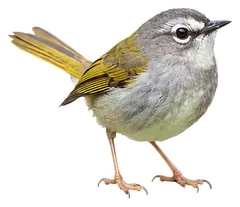 White-rimmed WarblerMyiothlypis leucoblephara
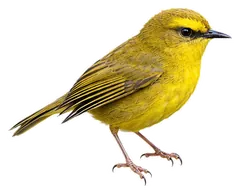 Pale-legged WarblerMyiothlypis signata
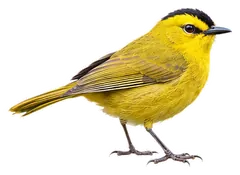 Black-crested WarblerMyiothlypis nigrocristata
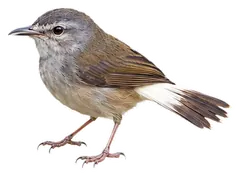 Buff-rumped WarblerMyiothlypis fulvicauda
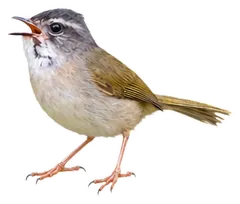 Riverbank WarblerMyiothlypis rivularis
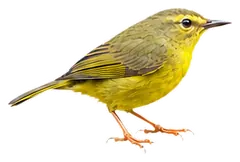 Two-banded WarblerMyiothlypis bivittata
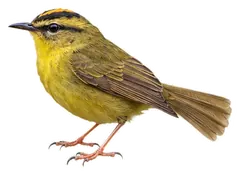 Roraiman WarblerMyiothlypis roraimae
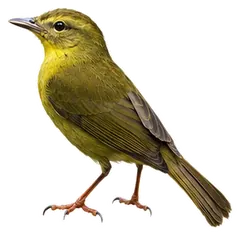 Choco WarblerMyiothlypis chlorophrys
 Cuzco WarblerMyiothlypis chrysogaster
Download illustration
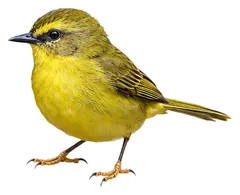
Free to use with credit: “Illustration: Bird Album (birdalbum.com)”. Drawn by AI from a reference photo by Dan Vickers. ↗
Heard it but can't see it? Mingji identifies birds by sound and photo, on your phone.
In other languages
- EnglishCitrine Warbler
- 简体中文柠黄王森莺
- 繁體中文檸黃王森鶯
- 日本語レモンアメリカムシクイ
- DeutschBonapartewaldsänger
- FrançaisParuline citrine
- EspañolReinita citrina norteña
- Portuguêspula-pula-citrino
- ItalianoParula citrina
- NederlandsBonapartes Zanger
- РусскийЛимонный певун
- Svenskacitronskogssångare
- DanskGulgrøn Tangarsanger
- Polskikoronówka oliwkowa