 Bird Album
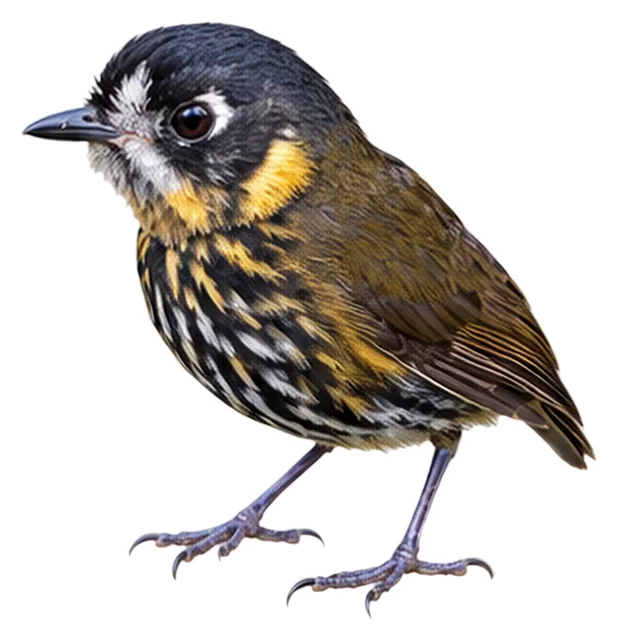
Crescent-faced Antpitta
Grallaricula lineifrons (Chapman, 1924)
11–12 cmLength21 gWeight
The crescent-faced antpitta (Grallaricula lineifrons) is a species of bird in the family Grallariidae.
Busiest months: November · Most records: Colombia, Ecuador
Where and when it's recorded

Crescent-faced Antpitta has been recorded at 11 of the 8,171 birding hotspots we track, in 2 countries and regions.
Records by month Northern Hemisphere
Where it's recorded most
- Hacienda El BosqueColombia2,008 records
- Giles Fuertesi Proaves ReserveColombia75 records
- Papallacta – hot springs and road to Cayambe-CocaEcuador49 records
More places
- Bosque de San Carlos/La VirginiaColombia21 records
- Hotel Termales del RuízColombia6 records
- Finca CortaderalColombia5 records
- Papallacta – La Virgen y alrededores inmediatosEcuador2 records
- PNN Los Nevados - Centro de Visitantes BrisasColombia2 records
- Guango LodgeEcuador1 record
- El Color de mis Rêves GlampingColombia1 record
Countries and regions with the most records
eBird records via GBIF up to 2024-12-31. A record means someone listed it; more records partly mean more birders, not more birds.
About
The crescent-faced antpitta (Grallaricula lineifrons) is a species of bird in the family Grallariidae. It is found in Colombia and Ecuador.
Excerpt from Wikipedia, CC BY-SA 4.0 · authors · Read more on Wikipedia
Questions
How big is the Crescent-faced Antpitta?
The Crescent-faced Antpitta is about 11–12 cm long and weighs around 21 g.
Where does the Crescent-faced Antpitta live?
Its breeding range: South America: central, southern Colombia and Ecuador. It is most often recorded in Colombia and Ecuador.
When is the best time to see the Crescent-faced Antpitta?
At the hotspots we track, it is recorded most in November (Northern Hemisphere).
Is the Crescent-faced Antpitta endangered?
The IUCN Red List classifies the Crescent-faced Antpitta as Least Concern.
What does the Crescent-faced Antpitta eat?
Main food: Insects & other invertebrates.
What family is the Crescent-faced Antpitta in?
It belongs to the family Antpittas (Grallariidae), order Passerines (Passeriformes).
At a glance
- Length
- 11–12 cm
- Weight
- 21 g
- Habitat
- Forest
- Diet
- Insects & other invertebrates
- Lifestyle
- Perches in trees
- Migration
- Resident (barely migrates)
- Conservation
- Least Concern
More measurements
- Wing
- 76 mm
- Tail
- 40 mm
- Bill
- 14 mm
- Tarsus
- 28 mm
Averages from the AVONET dataset; length from field guides where available.
Range
South America: central, southern Colombia and Ecuador
Breeding range, IOC World Bird List 15.2
Classification
- Order
- Passerines Passeriformes
- Family
- Antpittas Grallariidae
- Genus
- Grallaricula
Other birds in the genus Grallaricula
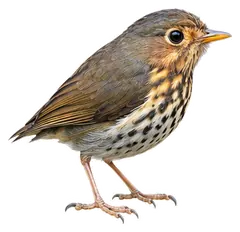 Ochre-breasted AntpittaGrallaricula flavirostris
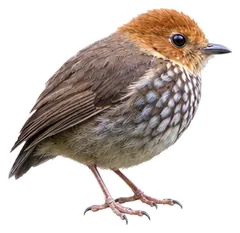 Scallop-breasted AntpittaGrallaricula loricata
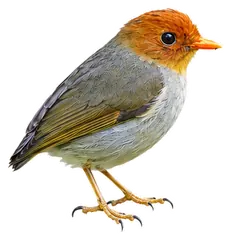 Hooded AntpittaGrallaricula cucullata
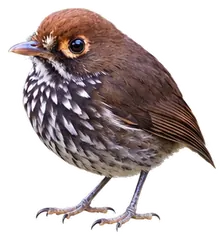 Peruvian AntpittaGrallaricula peruviana
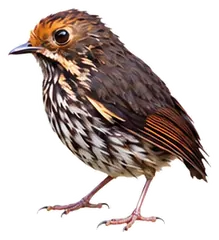 Ochre-fronted AntpittaGrallaricula ochraceifrons
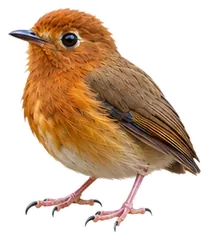 Rusty-breasted AntpittaGrallaricula ferrugineipectus
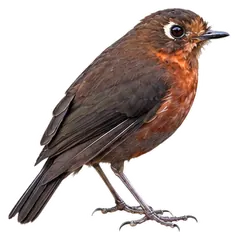 Rufous-breasted AntpittaGrallaricula leymebambae
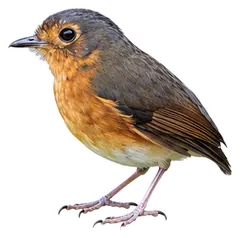 Slaty-crowned AntpittaGrallaricula nana
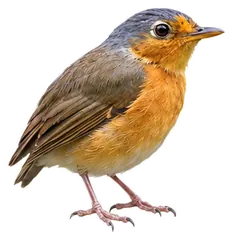 Sucre AntpittaGrallaricula cumanensis
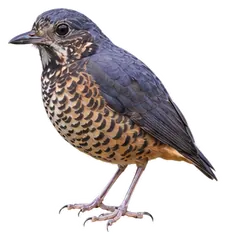 Undulated AntpittaGrallaria squamigera
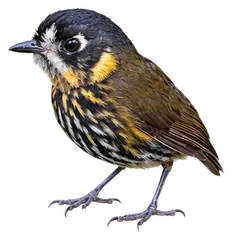
Download illustration
Free to use with credit: “Illustration: Bird Album (birdalbum.com)”. Drawn by AI from a reference photo by Guillermo Nagy Aramacao Tours. ↗
Heard it but can't see it? Mingji identifies birds by sound and photo, on your phone.
In other languages
- EnglishCrescent-faced Antpitta
- 简体中文月脸蚁鸫
- 繁體中文新月臉蟻八色鳥
- 日本語ミカヅキヒメジアリドリ
- DeutschHalbmond-Ameisenpitta
- FrançaisGrallaire demi-lune
- EspañolPonchito medialuna
- Portuguêstorom-meia-lua
- ItalianoPitta formichiera semilunare
- NederlandsChapmans Dwergmierpitta
- РусскийПолулунная питтуля
- Svenskahalvmånemyrpitta
- DanskHvidkindet Myrepitta
- Polskidrobik maskowy