 Bird Album
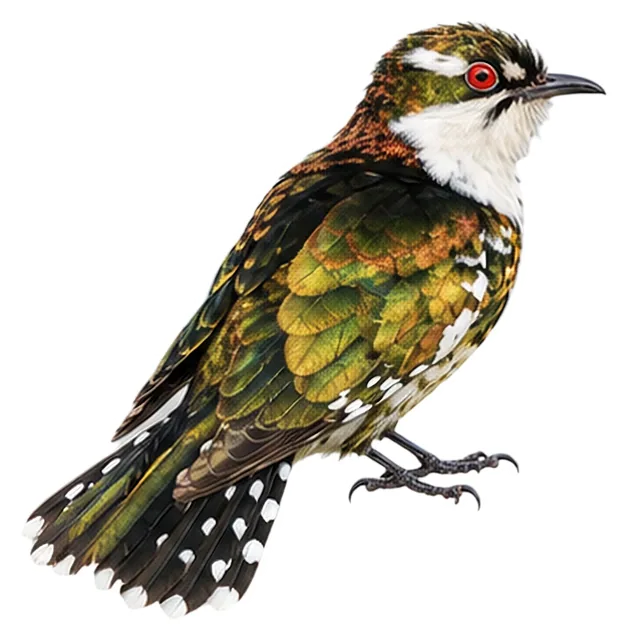
Diederik Cuckoo
Chrysococcyx caprius (Boddaert, 1783)
33 gWeight
The diederik cuckoo (Chrysococcyx caprius), formerly dideric cuckoo or didric cuckoo, is a member of the cuckoo family of birds, Cuculidae, which also includes the roadrunners and the anis.
Busiest months: November · Most records: South Africa, Kenya, Tanzania
Where and when it's recorded

Diederik Cuckoo has been recorded at 503 of the 8,171 birding hotspots we track, in 39 countries and regions.
Records by month Southern Hemisphere
Where it's recorded most
- Nairobi NPKenya651 records
- Rietvlei NRSouth Africa425 records
- Tarangire NPTanzania290 records
More places
- Entebbe Botanical GardenUganda286 records
- Lake Mburo NPUganda279 records
- Lake Nakuru NPKenya278 records
- Zaagkuildrift RdSouth Africa265 records
- Walter Sisulu National Botanical GardenSouth Africa256 records
- Marievale Bird SanctuarySouth Africa212 records
- Mkhuze GRSouth Africa201 records
Countries and regions with the most records
eBird records via GBIF up to 2024-12-31. A record means someone listed it; more records partly mean more birders, not more birds.
About
The diederik cuckoo (Chrysococcyx caprius), formerly dideric cuckoo or didric cuckoo, is a member of the cuckoo family of birds, Cuculidae, which also includes the roadrunners and the anis.
Excerpt from Wikipedia, CC BY-SA 4.0 · authors · Read more on Wikipedia
Questions
How big is the Diederik Cuckoo?
The Diederik Cuckoo weighs around 33 g.
Where does the Diederik Cuckoo live?
Its breeding range: Africa: widespread; also southeastern Arabian Peninsula. It is most often recorded in South Africa, Kenya and Tanzania.
When is the best time to see the Diederik Cuckoo?
At the hotspots we track, it is recorded most in November (Southern Hemisphere).
Is the Diederik Cuckoo endangered?
The IUCN Red List classifies the Diederik Cuckoo as Least Concern.
What does the Diederik Cuckoo eat?
Main food: Insects & other invertebrates.
What family is the Diederik Cuckoo in?
It belongs to the family Cuckoos (Cuculidae), order Cuculiformes.
At a glance
- Weight
- 33 g
- Habitat
- Shrubland
- Diet
- Insects & other invertebrates
- Lifestyle
- Perches in trees
- Migration
- Resident (barely migrates)
- Conservation
- Least Concern
More measurements
- Wing
- 113 mm
- Tail
- 80 mm
- Bill
- 18 mm
- Tarsus
- 18 mm
Averages from the AVONET dataset; length from field guides where available.
Range
Africa: widespread; also southeastern Arabian Peninsula
Breeding range, IOC World Bird List 15.2
Classification
- Order
- Cuculiformes
- Family
- Cuckoos Cuculidae
- Genus
- Chrysococcyx
Other birds in the genus Chrysococcyx
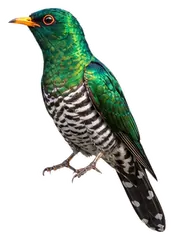 Asian Emerald CuckooChrysococcyx maculatus
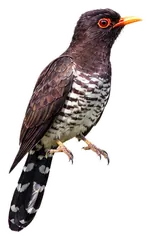 Violet CuckooChrysococcyx xanthorhynchus
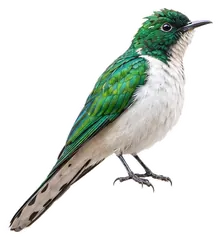 Klaas's CuckooChrysococcyx klaas
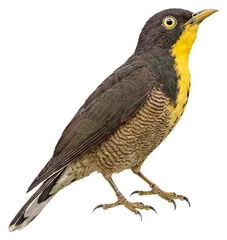 Yellow-throated CuckooChrysococcyx flavigularis
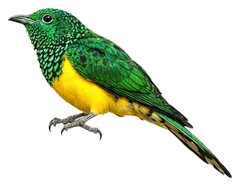 African Emerald CuckooChrysococcyx cupreus
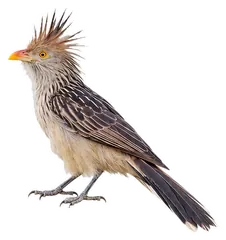 Guira CuckooGuira guira
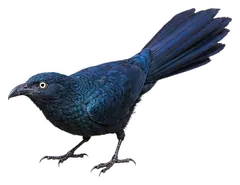 Greater AniCrotophaga major
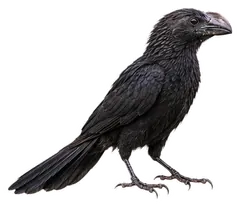 Smooth-billed AniCrotophaga ani
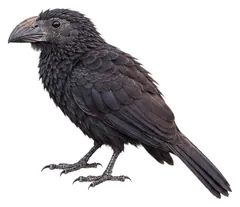 Groove-billed AniCrotophaga sulcirostris
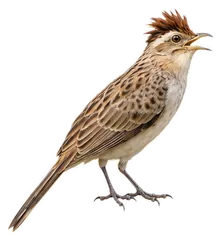 Striped CuckooTapera naevia
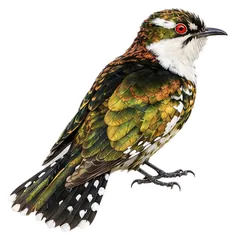
Download illustration
Free to use with credit: “Illustration: Bird Album (birdalbum.com)”. Drawn by AI from a reference photo by Ian N. White. ↗
Heard it but can't see it? Mingji identifies birds by sound and photo, on your phone.