 Bird Album
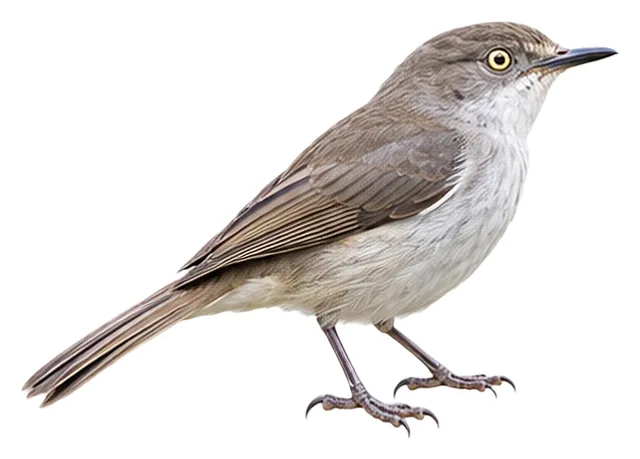
Drab Hemispingus
Pseudospingus xanthophthalmus (Taczanowski, 1874)
13–14 cmLength12 gWeight
The drab hemispingus (Pseudospingus xanthophthalmus) is a species of bird in the family Thraupidae, the tanagers and allies.
Busiest months: October–November · Most records: Peru, Bolivia
Where and when it's recorded

Drab Hemispingus has been recorded at 21 of the 8,171 birding hotspots we track, in 2 countries and regions.
Records by month Southern Hemisphere
Where it's recorded most
- ACP Abra Patricia – Owlet LodgePeru279 records
- Bosque Unchog (Valqui D5.3)Peru147 records
- Wayqecha Cloud Forest Birding LodgePeru120 records
More places
- Trocha Cresta de San LorenzoPeru86 records
- Wayqecha Cloud Forest Biological StationPeru71 records
- Carretera a Manú – Túneles PillahuataPeru61 records
- Chuspipata – upper Old Coroico Rd.Bolivia58 records
- Old Coroico Rd.Bolivia29 records
- Jardín de Colibries y Mirador Pico de HozPeru9 records
- Cock-of-the-Rock Lodge & Manu Paradise LodgePeru6 records
Countries and regions with the most records
eBird records via GBIF up to 2024-12-31. A record means someone listed it; more records partly mean more birders, not more birds.
About
The drab hemispingus (Pseudospingus xanthophthalmus) is a species of bird in the family Thraupidae, the tanagers and allies. It is found in Bolivia and Peru.
Excerpt from Wikipedia, CC BY-SA 4.0 · authors · Read more on Wikipedia
Questions
How big is the Drab Hemispingus?
The Drab Hemispingus is about 13–14 cm long and weighs around 12 g.
Where does the Drab Hemispingus live?
Its breeding range: South America: Peru and Bolivia. It is most often recorded in Peru and Bolivia.
When is the best time to see the Drab Hemispingus?
At the hotspots we track, it is recorded most in October and November (Southern Hemisphere).
Is the Drab Hemispingus endangered?
The IUCN Red List classifies the Drab Hemispingus as Least Concern.
What does the Drab Hemispingus eat?
Main food: Insects & other invertebrates.
What family is the Drab Hemispingus in?
It belongs to the family Tanagers & Allies (Thraupidae), order Passerines (Passeriformes).
At a glance
- Length
- 13–14 cm
- Weight
- 12 g
- Habitat
- Forest
- Diet
- Insects & other invertebrates
- Lifestyle
- Perches in trees
- Migration
- Resident (barely migrates)
- Conservation
- Least Concern
More measurements
- Wing
- 67 mm
- Tail
- 67 mm
- Bill
- 14 mm
- Tarsus
- 20 mm
Averages from the AVONET dataset; length from field guides where available.
Range
South America: Peru and Bolivia
Breeding range, IOC World Bird List 15.2
Classification
- Order
- Passerines Passeriformes
- Family
- Tanagers & Allies Thraupidae
- Genus
- Pseudospingus
Other birds in the genus Pseudospingus
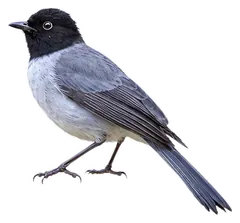 Black-headed HemispingusPseudospingus verticalis
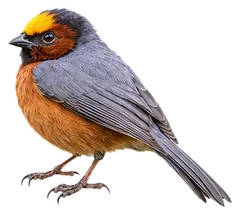 PlushcapCatamblyrhynchus diadema
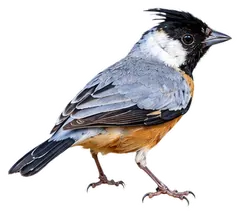 Coal-crested FinchCharitospiza eucosma
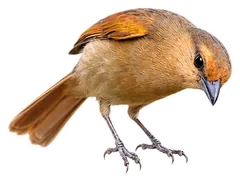 Brown TanagerOrchesticus abeillei
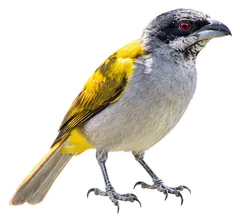 Yellow-shouldered GrosbeakParkerthraustes humeralis
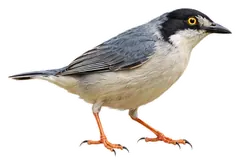 Hooded TanagerNemosia pileata
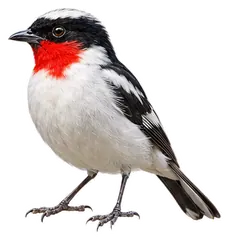 Cherry-throated TanagerNemosia rourei
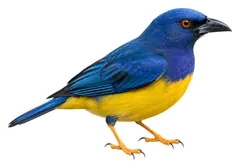 Blue-backed TanagerCyanicterus cyanicterus
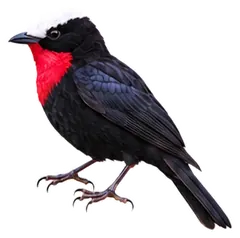 White-capped TanagerSericossypha albocristata
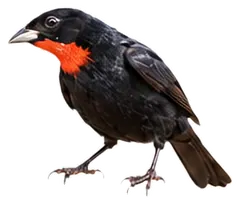 Scarlet-throated TanagerCompsothraupis loricata
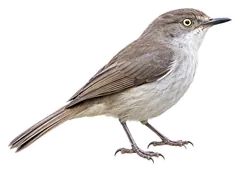
Download illustration
Free to use with credit: “Illustration: Bird Album (birdalbum.com)”. Drawn by AI from a reference photo by David F. Belmonte. ↗
Heard it but can't see it? Mingji identifies birds by sound and photo, on your phone.
In other languages
- EnglishDrab Hemispingus
- 简体中文褐拟雀
- 繁體中文褐色赫米雀
- 日本語ハイイロモリフウキンチョウ
- DeutschSchlichtfinkentangare
- FrançaisTangara aux yeux jaunes
- EspañolHemispingo modesto
- Portuguêspipira-modesta
- ItalianoEmispingo scialbo
- NederlandsGeeloogpseudospingus
- РусскийЖелтоглазая пипира
- Svenskagulögd tangara
- DanskGuløjet Gråtangar
- Polskiandołuszczek ubogi