 Bird Album
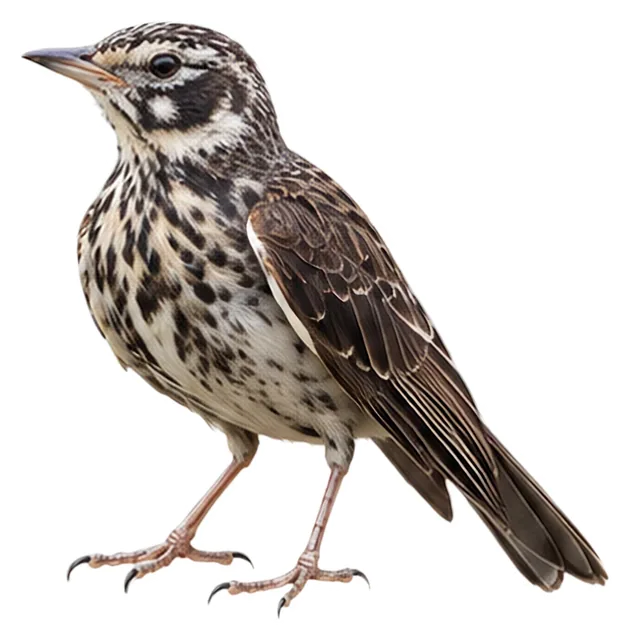
Dusky Lark
Pinarocorys nigricans (Sundevall, 1850)
38 gWeight
The dusky lark (Pinarocorys nigricans), also known as the dusky bush lark or rufous-rumped bush lark, is a species of migratory lark in the family Alaudidae.
Busiest months: January and April · Most records: South Africa, Namibia, Zambia
Where and when it's recorded

Dusky Lark has been recorded at 75 of the 8,171 birding hotspots we track, in 7 countries and regions.
Records by month Southern Hemisphere
Where it's recorded most
- Bwabwata NP – Mahango riverside loopNamibia35 records
- Kruger NP – Shingwedzi CampSouth Africa23 records
- Kgomo-KgomoSouth Africa16 records
More places
- Kruger NP – Letaba CampSouth Africa15 records
- Etosha NP – Halali CampNamibia14 records
- Kruger NP – Satara CampSouth Africa14 records
- Kruger NP – Pafuri CampSouth Africa12 records
- Etosha NP – Okaukuejo CampNamibia10 records
- Bwabwata NP – Mahango Core AreaNamibia9 records
- Chobe NPBotswana8 records
Countries and regions with the most records
eBird records via GBIF up to 2024-12-31. A record means someone listed it; more records partly mean more birders, not more birds.
About
The dusky lark (Pinarocorys nigricans), also known as the dusky bush lark or rufous-rumped bush lark, is a species of migratory lark in the family Alaudidae. It is native to southern Central Africa.
Excerpt from Wikipedia, CC BY-SA 4.0 · authors · Read more on Wikipedia
Questions
How big is the Dusky Lark?
The Dusky Lark weighs around 38 g.
Where does the Dusky Lark live?
Its breeding range: Africa: central, southern. It is most often recorded in South Africa, Namibia and Zambia.
When is the best time to see the Dusky Lark?
At the hotspots we track, it is recorded most in January and April (Southern Hemisphere).
Is the Dusky Lark endangered?
The IUCN Red List classifies the Dusky Lark as Least Concern.
What does the Dusky Lark eat?
Main food: Insects & other invertebrates.
What family is the Dusky Lark in?
It belongs to the family Larks (Alaudidae), order Passerines (Passeriformes).
At a glance
- Weight
- 38 g
- Habitat
- Grassland
- Diet
- Insects & other invertebrates
- Lifestyle
- Active on the ground
- Migration
- Migratory
- Conservation
- Least Concern
More measurements
- Wing
- 115 mm
- Tail
- 76 mm
- Bill
- 18 mm
- Tarsus
- 28 mm
Averages from the AVONET dataset; length from field guides where available.
Range
Africa: central, southern
Breeding range, IOC World Bird List 15.2
Classification
- Order
- Passerines Passeriformes
- Family
- Larks Alaudidae
- Genus
- Pinarocorys
Other birds in the genus Pinarocorys
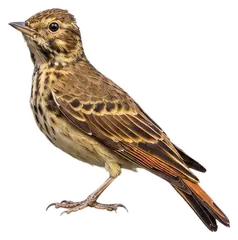 Rufous-rumped LarkPinarocorys erythropygia
 Greater Hoopoe-LarkAlaemon alaudipes
 Lesser Hoopoe-LarkAlaemon hamertoni
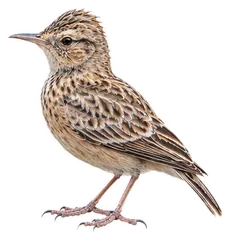 Beesley's LarkChersomanes beesleyi
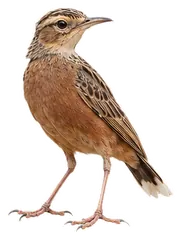 Spike-heeled LarkChersomanes albofasciata
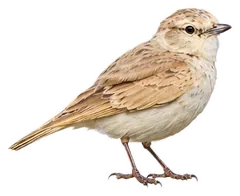 Gray's LarkAmmomanopsis grayi
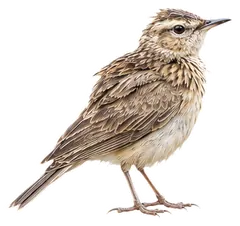 Short-clawed LarkCerthilauda chuana
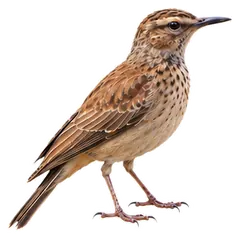 Karoo Long-billed LarkCerthilauda subcoronata
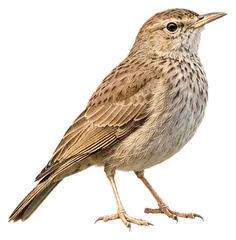 Eastern Long-billed LarkCerthilauda semitorquata
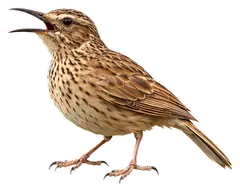 Cape Long-billed LarkCerthilauda curvirostris
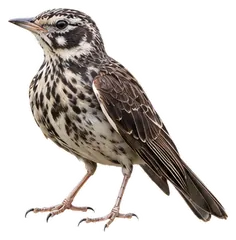
Download illustration
Free to use with credit: “Illustration: Bird Album (birdalbum.com)”. Drawn by AI from a reference photo by Carmelo López Abad. ↗
Heard it but can't see it? Mingji identifies birds by sound and photo, on your phone.