 Bird Album
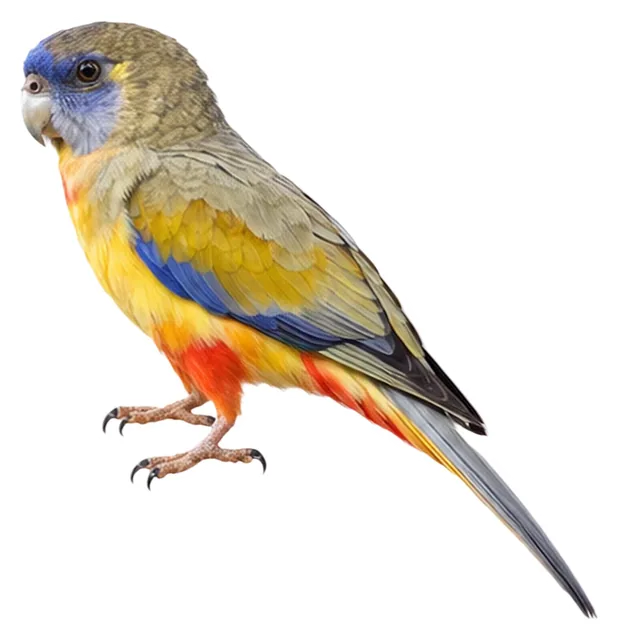
Eastern Bluebonnet
Northiella haematogaster (Gould, 1838)
26–35 cmLength86 gWeight
The eastern bluebonnet (Northiella haematogaster), also known as the greater bluebonnet, is an Australian parrot, one of two species in the genus Northiella.
Busiest months: September · Most records: Australia
Where and when it's recorded

Eastern Bluebonnet has been recorded at 10 of the 8,171 birding hotspots we track, in 1 country or region.
Records by month Southern Hemisphere
Where it's recorded most
- Bowra Wildlife SanctuaryAustralia2,005 records
- Mosquito Creek RdAustralia668 records
- Goschen Bushland ReserveAustralia610 records
More places
- Hattah-Kulkyne National ParkAustralia300 records
- Lake Cargelligo Wastewater Treatment PlantAustralia82 records
- Gluepot ReserveAustralia24 records
- Mount Korong Nature Conservation ReserveAustralia2 records
- Terrick Terrick National ParkAustralia2 records
- Fivebough WetlandsAustralia2 records
- DanthoniaAustralia1 record
Countries and regions with the most records
eBird records via GBIF up to 2024-12-31. A record means someone listed it; more records partly mean more birders, not more birds.
About
The eastern bluebonnet (Northiella haematogaster), also known as the greater bluebonnet, is an Australian parrot, one of two species in the genus Northiella. It was originally included in the genus Psephotus but due to distinctive physical and behavioural differences was reclassified into its own genus in 1994 by ornithologists and taxonomists Christidis and Boles. The bluebonnet is a medium-sized inland parrot commonly found in the interior of southeastern and central-southern Australia.
Excerpt from Wikipedia, CC BY-SA 4.0 · authors · Read more on Wikipedia
Questions
How big is the Eastern Bluebonnet?
The Eastern Bluebonnet is about 26–35 cm long and weighs around 86 g.
Where does the Eastern Bluebonnet live?
Its breeding range: Australasia: southeastern, south-central Australia. It is most often recorded in Australia.
When is the best time to see the Eastern Bluebonnet?
At the hotspots we track, it is recorded most in September (Southern Hemisphere).
Is the Eastern Bluebonnet endangered?
The IUCN Red List classifies the Eastern Bluebonnet as Least Concern.
What does the Eastern Bluebonnet eat?
Main food: Omnivore.
What family is the Eastern Bluebonnet in?
It belongs to the family Old World Parrots (Psittaculidae), order Parrot (Psittaciformes).
At a glance
- Length
- 26–35 cm
- Weight
- 86 g
- Habitat
- Woodland
- Diet
- Omnivore
- Lifestyle
- Perches in trees
- Migration
- Partial migrant
- Conservation
- Least Concern
More measurements
- Wing
- 129 mm
- Tail
- 167 mm
- Bill
- 18 mm
- Tarsus
- 21 mm
Averages from the AVONET dataset; length from field guides where available.
Range
Australasia: southeastern, south-central Australia
Breeding range, IOC World Bird List 15.2
Classification
- Order
- Parrot Psittaciformes
- Family
- Old World Parrots Psittaculidae
- Genus
- Northiella
Other birds in the genus Northiella
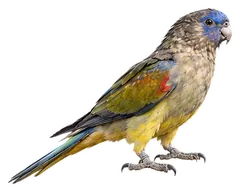 Naretha BluebonnetNorthiella narethae
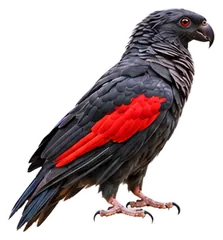 Pesquet's ParrotPsittrichas fulgidus
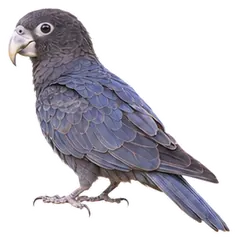 Greater Vasa ParrotCoracopsis vasa
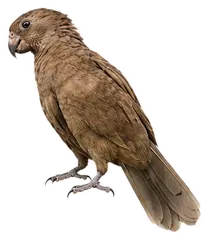 Seychelles Black ParrotCoracopsis barklyi
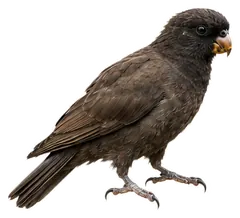 Comoro Black ParrotCoracopsis sibilans
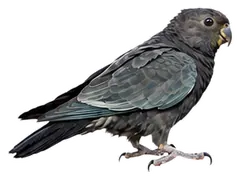 Lesser Vasa ParrotCoracopsis nigra
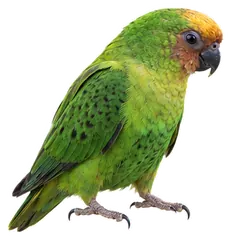 Yellow-capped Pygmy ParrotMicropsitta keiensis
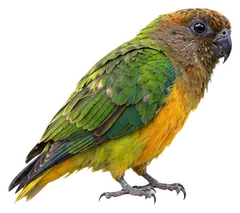 Geelvink Pygmy ParrotMicropsitta geelvinkiana
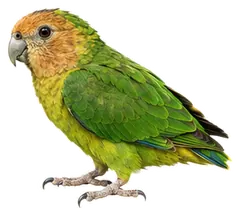 Buff-faced Pygmy ParrotMicropsitta pusio
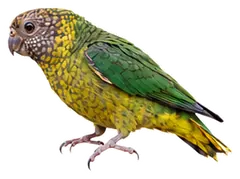 Meek's Pygmy ParrotMicropsitta meeki
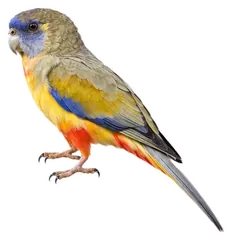
Download illustration
Free to use with credit: “Illustration: Bird Album (birdalbum.com)”. Drawn by AI from a reference photo by mikew65. ↗
Heard it but can't see it? Mingji identifies birds by sound and photo, on your phone.
In other languages
- EnglishEastern Bluebonnet
- 简体中文红腹蓝额鹦鹉
- 繁體中文東方藍帽鸚鵡
- 日本語ハナガサインコ
- DeutschBlutbauchsittich
- FrançaisPerruche à bonnet bleu
- EspañolPerico cariazul
- Portuguêsperiquito-de-cara-azul
- ItalianoPappagallo facciablu
- NederlandsRoodbuikparkiet
- РусскийКровавобрюхий попугайчик
- Svenskaöstlig blåmaskparakit
- DanskBlåmaskeparakit
- Polskiświergotka ognistobrzucha