 Bird Album
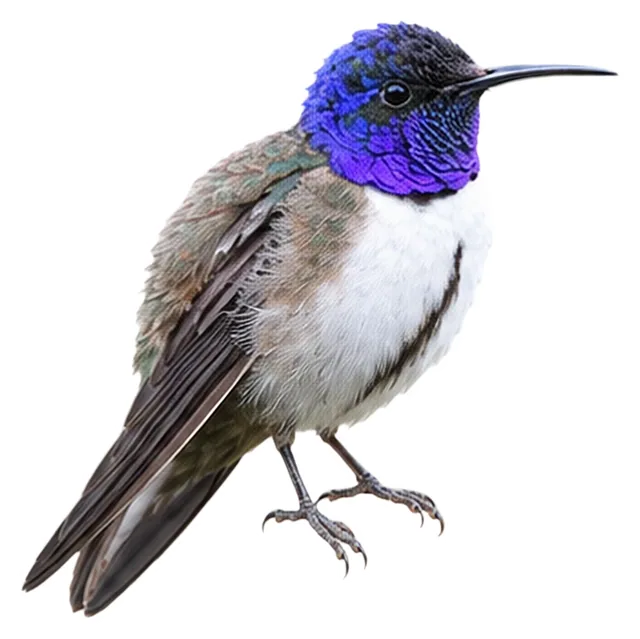
Ecuadorian Hillstar
Oreotrochilus chimborazo (Delattre & Bourcier, 1846)
8.2 gWeight
The Ecuadorian hillstar or Chimborazo hillstar (Oreotrochilus chimborazo) is a species of hummingbird.
Busiest months: February and November · Most records: Ecuador
Where and when it's recorded

Ecuadorian Hillstar has been recorded at 12 of the 8,171 birding hotspots we track, in 1 country or region.
Records by month Southern Hemisphere
Where it's recorded most
- AntisanaEcuador920 records
- Reserva Antisana – flujo de lava, mirador del cóndor, y alrededoresEcuador771 records
- PN Antisana – Micacocha, control y alrededoresEcuador702 records
More places
- Papallacta – radio antennasEcuador638 records
- PN Antisana – pradera de los ibis y alrededoresEcuador612 records
- Papallacta – La Virgen y alrededores inmediatosEcuador383 records
- Tambo Cóndor Bird LodgeEcuador85 records
- Guango LodgeEcuador48 records
- Reserva YanacochaEcuador24 records
- Papallacta – hot springs and road to Cayambe-CocaEcuador17 records
Countries and regions with the most records
eBird records via GBIF up to 2024-12-31. A record means someone listed it; more records partly mean more birders, not more birds.
About
The Ecuadorian hillstar or Chimborazo hillstar (Oreotrochilus chimborazo) is a species of hummingbird. It is native to the Andes of Ecuador and extreme southern Colombia. Its main habitat type is high-altitude mountain grassland between 3500 and 5200 meters.
Excerpt from Wikipedia, CC BY-SA 4.0 · authors · Read more on Wikipedia
Questions
How big is the Ecuadorian Hillstar?
The Ecuadorian Hillstar weighs around 8.2 g.
Where does the Ecuadorian Hillstar live?
Its breeding range: South America: southern Colombia to central Ecuador. It is most often recorded in Ecuador.
When is the best time to see the Ecuadorian Hillstar?
At the hotspots we track, it is recorded most in February and November (Southern Hemisphere).
Is the Ecuadorian Hillstar endangered?
The IUCN Red List classifies the Ecuadorian Hillstar as Least Concern.
What does the Ecuadorian Hillstar eat?
Main food: Nectar.
What family is the Ecuadorian Hillstar in?
It belongs to the family Hummingbirds (Trochilidae), order Apodiformes.
At a glance
- Weight
- 8.2 g
- Habitat
- Grassland
- Diet
- Nectar
- Lifestyle
- Perches in trees
- Migration
- Resident (barely migrates)
- Conservation
- Least Concern
More measurements
- Wing
- 74 mm
- Tail
- 49 mm
- Bill
- 24 mm
- Tarsus
- 7 mm
Averages from the AVONET dataset; length from field guides where available.
Range
South America: southern Colombia to central Ecuador
Breeding range, IOC World Bird List 15.2
Classification
- Order
- Apodiformes
- Family
- Hummingbirds Trochilidae
- Genus
- Oreotrochilus
Other birds in the genus Oreotrochilus
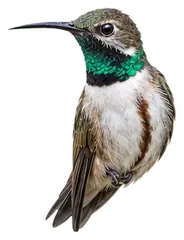 Andean HillstarOreotrochilus estella
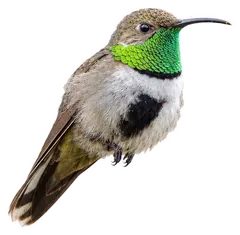 White-sided HillstarOreotrochilus leucopleurus
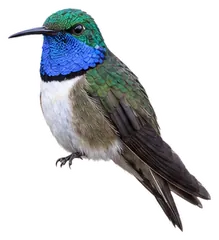 Blue-throated HillstarOreotrochilus cyanolaemus
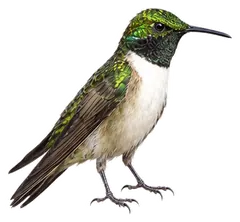 Green-headed HillstarOreotrochilus stolzmanni
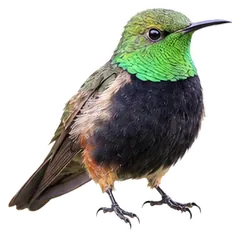 Black-breasted HillstarOreotrochilus melanogaster
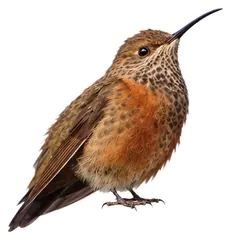 Wedge-tailed HillstarOreotrochilus adela
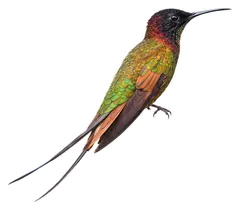 Crimson TopazTopaza pella
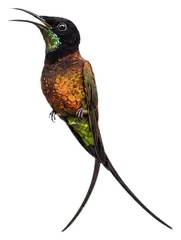 Fiery TopazTopaza pyra
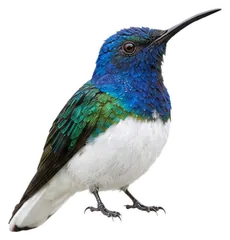 White-necked JacobinFlorisuga mellivora
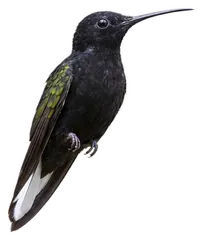 Black JacobinFlorisuga fusca
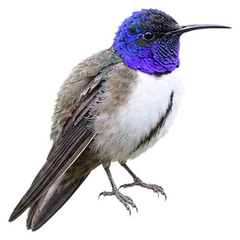
Download illustration
Free to use with credit: “Illustration: Bird Album (birdalbum.com)”. Drawn by AI from a reference photo by Josh van der Meulen. ↗
Heard it but can't see it? Mingji identifies birds by sound and photo, on your phone.
In other languages
- EnglishEcuadorian Hillstar
- 简体中文紫巾山蜂鸟
- 繁體中文厄瓜多山蜂鳥
- 日本語エクアドルヤマハチドリ
- DeutschPurpurkopfkolibri
- FrançaisColibri du Chimborazo
- EspañolColibrí del Chimborazo
- Portuguêsestrela-do-chimboraço
- ItalianoOrostella dell'Ecuador
- NederlandsEcuadoraanse Bergnimf
- РусскийЭквадорская ореада
- Svenskaecuadorbergstjärna
- DanskChimborazostjerne
- Polskigórzak fioletowogłowy