 Bird Album
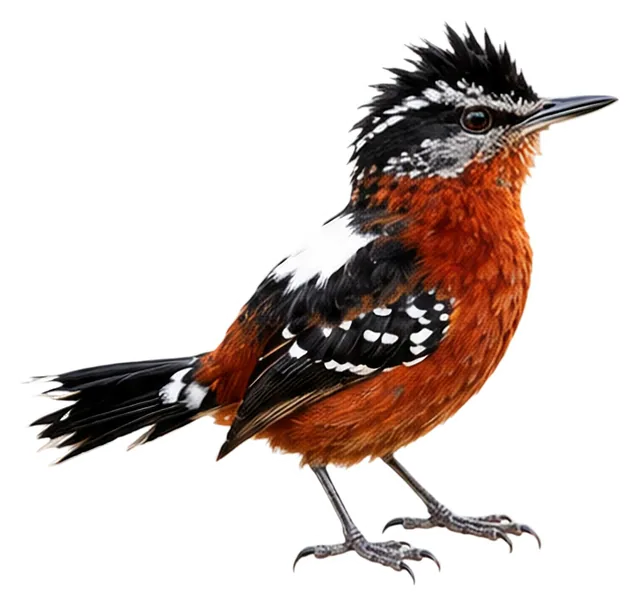
Ferruginous Antbird
Drymophila ferruginea (Temminck, 1822)
12–13 cmLength11 gWeight
The ferruginous antbird (Drymophila ferruginea) is an insectivorous bird in subfamily Thamnophilinae of family Thamnophilidae, the "typical antbirds".
Busiest months: October · Most records: Brazil
Where and when it's recorded

Ferruginous Antbird has been recorded at 40 of the 8,171 birding hotspots we track, in 1 country or region.
Records by month Southern Hemisphere
Where it's recorded most
- Ubatuba – Fazenda AngelimBrazil841 records
- PE IntervalesBrazil821 records
- Tapiraí – Trilha dos Tucanos LodgeBrazil677 records
More places
- PN do Itatiaia – Parte BaixaBrazil339 records
- PN de Boa Nova – Mata do CharmeBrazil337 records
- Legado das ÁguasBrazil335 records
- Reserva Kaetés - PCSABrazil319 records
- PNM Augusto RuschiBrazil314 records
- Área do Projeto DacnisBrazil260 records
- PN do Itatiaia – área geralBrazil255 records
Countries and regions with the most records
eBird records via GBIF up to 2024-12-31. A record means someone listed it; more records partly mean more birders, not more birds.
About
The ferruginous antbird (Drymophila ferruginea) is an insectivorous bird in subfamily Thamnophilinae of family Thamnophilidae, the "typical antbirds". It is endemic to Brazil.
Excerpt from Wikipedia, CC BY-SA 4.0 · authors · Read more on Wikipedia
Questions
How big is the Ferruginous Antbird?
The Ferruginous Antbird is about 12–13 cm long and weighs around 11 g.
Where does the Ferruginous Antbird live?
Its breeding range: South America: southeastern Brazil. It is most often recorded in Brazil.
When is the best time to see the Ferruginous Antbird?
At the hotspots we track, it is recorded most in October (Southern Hemisphere).
Is the Ferruginous Antbird endangered?
The IUCN Red List classifies the Ferruginous Antbird as Least Concern.
What does the Ferruginous Antbird eat?
Main food: Insects & other invertebrates.
What family is the Ferruginous Antbird in?
It belongs to the family Antbirds (Thamnophilidae), order Passerines (Passeriformes).
At a glance
- Length
- 12–13 cm
- Weight
- 11 g
- Habitat
- Forest
- Diet
- Insects & other invertebrates
- Lifestyle
- Perches in trees
- Migration
- Resident (barely migrates)
- Conservation
- Least Concern
More measurements
- Wing
- 53 mm
- Tail
- 62 mm
- Bill
- 16 mm
- Tarsus
- 18 mm
Averages from the AVONET dataset; length from field guides where available.
Range
South America: southeastern Brazil
Breeding range, IOC World Bird List 15.2
Classification
- Order
- Passerines Passeriformes
- Family
- Antbirds Thamnophilidae
- Genus
- Drymophila
Other birds in the genus Drymophila
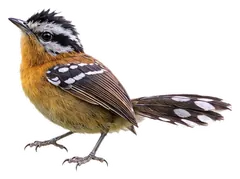 Bertoni's AntbirdDrymophila rubricollis
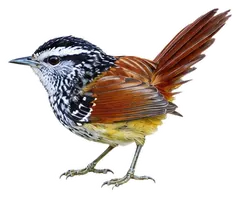 Rufous-tailed AntbirdDrymophila genei
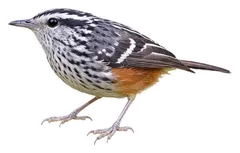 Ochre-rumped AntbirdDrymophila ochropyga
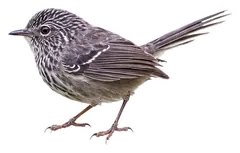 Dusky-tailed AntbirdDrymophila malura
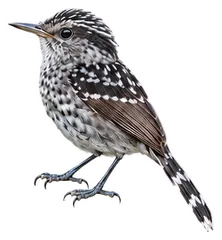 Scaled AntbirdDrymophila squamata
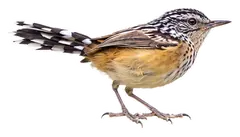 Striated AntbirdDrymophila devillei
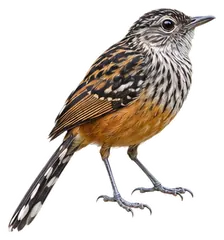 Santa Marta AntbirdDrymophila hellmayri
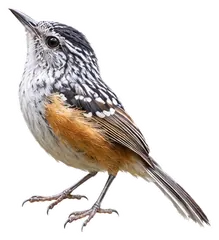 Klages's AntbirdDrymophila klagesi
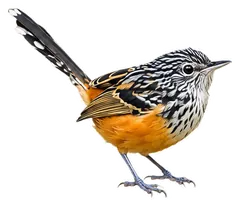 East Andean AntbirdDrymophila caudata
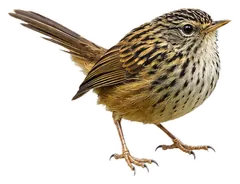 Streak-headed AntbirdDrymophila striaticeps
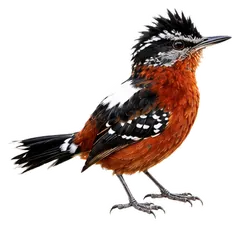
Download illustration
Free to use with credit: “Illustration: Bird Album (birdalbum.com)”. Drawn by AI from a reference photo by Antonio Amaral. ↗
Heard it but can't see it? Mingji identifies birds by sound and photo, on your phone.