 Bird Album
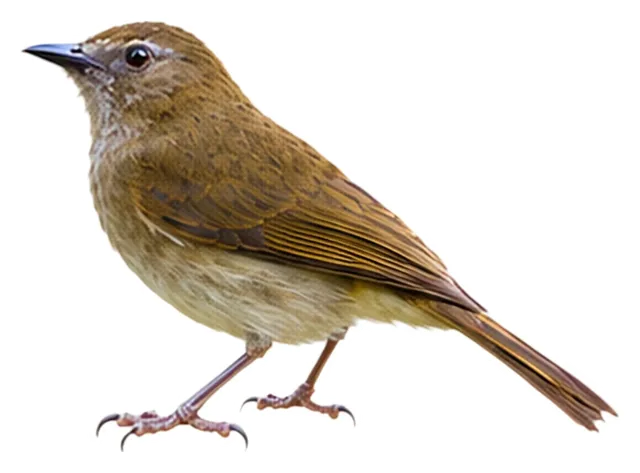
Green-backed Whistler
Pachycephala albiventris (Ogilvie-Grant, 1894)
21 gWeight
The green-backed whistler (Pachycephala albiventris) or olive-backed whistler, is a species of bird in the family Pachycephalidae.
Busiest months: February–March · Most records: Philippines
Where and when it's recorded
Busiest months: February–March · Most records: Philippines

Green-backed Whistler has been recorded at 4 of the 8,276 birding hotspots we track, in 1 country or region.
Records by month Northern Hemisphere
Where it's recorded most
- Mt. PolisPhilippines276 records
- Jariel's Peak – Restaurant, Bgy. Magsaysay, InfantaPhilippines10 records
- Mt. Makiling Forest Reserve – TrailPhilippines1 record
More places
- Subic Bay – Nabasan TrailPhilippines1 record
Countries and regions with the most records
eBird records via GBIF up to 2024-12-31. A record means someone listed it; more records partly mean more birders, not more birds.
About
The green-backed whistler (Pachycephala albiventris) or olive-backed whistler, is a species of bird in the family Pachycephalidae. It is endemic to the Philippines. Its natural habitats are tropical moist lowland forest and tropical moist montane forest.
Excerpt from Wikipedia, CC BY-SA 4.0 · authors · Read more on Wikipedia
Questions
How big is the Green-backed Whistler?
The Green-backed Whistler weighs around 21 g.
Where does the Green-backed Whistler live?
Its breeding range: Oriental: Luzon and Mindoro (northern Philippines). It is most often recorded in Philippines.
When is the best time to see the Green-backed Whistler?
At the hotspots we track, it is recorded most in February and March (Northern Hemisphere).
Is the Green-backed Whistler endangered?
The IUCN Red List classifies the Green-backed Whistler as Least Concern.
What does the Green-backed Whistler eat?
Main food: Insects & other invertebrates.
What family is the Green-backed Whistler in?
It belongs to the family Whistlers & Allies (Pachycephalidae), order Passerines (Passeriformes).
At a glance
- Weight
- 21 g
- Habitat
- Forest
- Diet
- Insects & other invertebrates
- Lifestyle
- Perches in trees
- Migration
- Resident (barely migrates)
- Conservation
- Least Concern
More measurements
- Wing
- 78 mm
- Tail
- 66 mm
- Bill
- 17 mm
- Tarsus
- 22 mm
Averages from the AVONET dataset; length from field guides where available.
Range
Oriental: Luzon and Mindoro (northern Philippines)
Breeding range, IOC World Bird List 15.2
Classification
- Order
- Passerines Passeriformes
- Family
- Whistlers & Allies Pachycephalidae
- Genus
- Pachycephala
Other birds in the genus Pachycephala
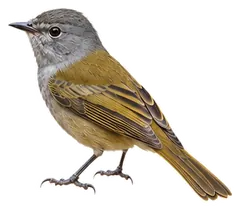 Olive WhistlerPachycephala olivacea
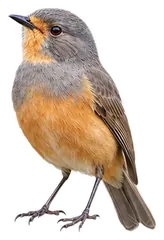 Red-lored WhistlerPachycephala rufogularis
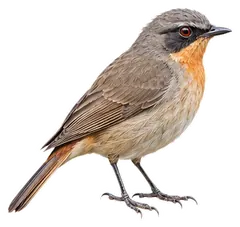 Gilbert's WhistlerPachycephala inornata
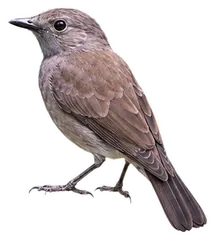 Mangrove WhistlerPachycephala cinerea
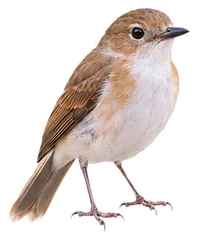 White-vented WhistlerPachycephala homeyeri
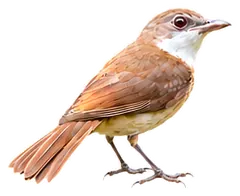 Island WhistlerPachycephala phaionota
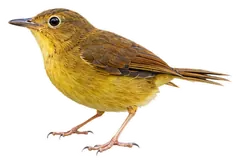 Biak WhistlerPachycephala melanorhyncha
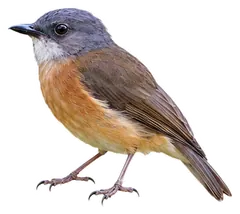 Rusty WhistlerPachycephala hyperythra
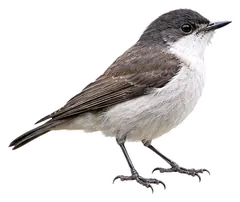 Brown-backed WhistlerPachycephala modesta
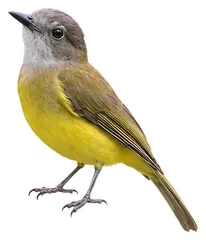 Yellow-bellied WhistlerPachycephala philippinensis
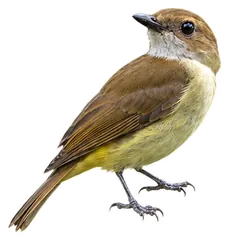 Sulphur-vented WhistlerPachycephala sulfuriventer
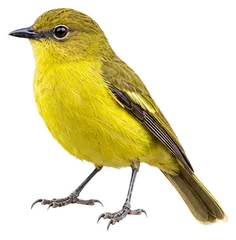 Bornean WhistlerPachycephala hypoxantha
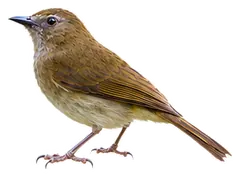
Download illustration
Free to use with credit: “Illustration: Bird Album (birdalbum.com)”. Drawn by AI from a reference photo by astronorm. ↗
Heard it but can't see it? Mingji identifies birds by sound and photo, on your phone.
In other languages
- EnglishGreen-backed Whistler
- 简体中文绿背啸鹟
- 繁體中文綠背嘯鶲
- 日本語セミドリモズヒタキ
- DeutschOlivrücken-Dickkopf
- FrançaisSiffleur à dos vert
- EspañolSilbador dorsiverde
- Portuguêsassobiadeira-de-dorso-verde
- ItalianoZufolatore dorsoverde
- NederlandsGroenrugfluiter
- РусскийСветлобрюхий свистун
- Svenskagrönryggig visslare
- DanskGrønrygget Fløjter
- Polskifletówka białobrzucha