 Bird Album
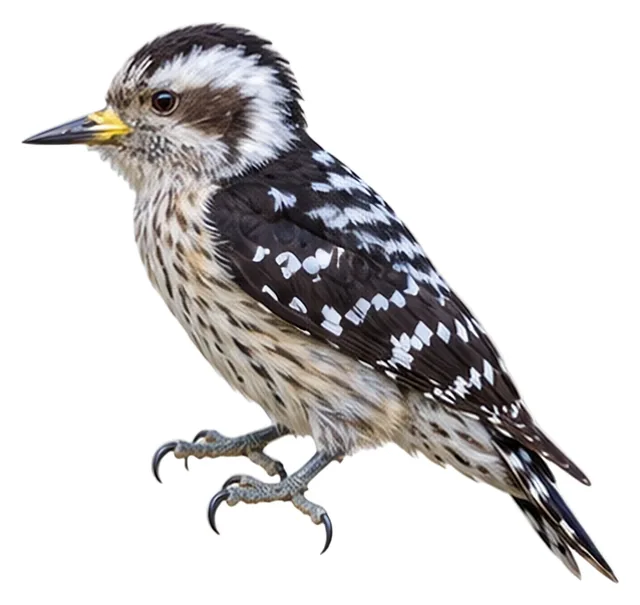
Grey-capped Pygmy Woodpecker
Yungipicus canicapillus (Blyth, 1845)
14–16 cmLength26 gWeight
This small, dark woodpecker has a gray crown, black eyestripe, white supercilium and white cheeks.
Busiest months: December–February · Most records: China, India, Thailand
How to identify
Field marks
- Dark gray crown
- Prominent black eyestripe; broad white supercilium and cheeks
- Black-and-white barring on the back
- Dark buff underparts with conspicuous dark streaks
Male, female and young
The male has red on the nape.
Where and when it's recorded
Busiest months: December–February · Most records: China, India, Thailand

Grey-capped Pygmy Woodpecker has been recorded at 946 of the 8,276 birding hotspots we track, in 15 countries and regions.
Records by month Northern Hemisphere
Where it's recorded most
- Nantou – Jiji Endemic Species Research InstituteTaiwan (China)1,440 records
- Wildlife Institute of IndiaIndia1,326 records
- Taichung – Taichung Metropolitan ParkTaiwan (China)1,277 records
More places
- TmatboeyCambodia893 records
- Pingtung – Pingtung University of Science and TechnologyTaiwan (China)734 records
- Doi Pha Hom Pok NP – Doi Lang (W), AKA Doi San JuThailand621 records
- Chiayi – NCYU Lantan CampusTaiwan (China)616 records
- Beijing Botanical GardenChina512 records
- Taksin Maharat NP – headquarters vicinityThailand495 records
- Nameri National Park & SurroundingsIndia495 records
Countries and regions with the most records
eBird records via GBIF up to 2024-12-31. A record means someone listed it; more records partly mean more birders, not more birds.
About
The grey-capped pygmy woodpecker (Yungipicus canicapillus) is an Asian bird species of the woodpecker family (Picidae). It has a subspecies, Yungipicus canicapillus doerriesi, located primarily in Manchuria, eastern Siberia, and Korea. Some taxonomic authorities continue to place this species in the genus Dendrocopos or Picoides.
Excerpt from Wikipedia, CC BY-SA 4.0 · authors · Read more on Wikipedia
Questions
How big is the Grey-capped Pygmy Woodpecker?
The Grey-capped Pygmy Woodpecker is about 14–16 cm long and weighs around 26 g.
Where does the Grey-capped Pygmy Woodpecker live?
Its breeding range: Oriental, Palearctic: East Asia to northern India, Sumatra and Borneo. It is most often recorded in China, India and Thailand.
When is the best time to see the Grey-capped Pygmy Woodpecker?
At the hotspots we track, it is recorded most in January, February and December (Northern Hemisphere).
Is the Grey-capped Pygmy Woodpecker endangered?
The IUCN Red List classifies the Grey-capped Pygmy Woodpecker as Least Concern.
What does the Grey-capped Pygmy Woodpecker eat?
Main food: Insects & other invertebrates.
What family is the Grey-capped Pygmy Woodpecker in?
It belongs to the family Woodpeckers (Picidae), order Piciformes.
At a glance
- Length
- 14–16 cm
- Weight
- 26 g
- Habitat
- Forest
- Diet
- Insects & other invertebrates
- Lifestyle
- Perches in trees
- Migration
- Resident (barely migrates)
- Conservation
- Least Concern
More measurements
- Wing
- 83 mm
- Tail
- 42 mm
- Bill
- 17 mm
- Tarsus
- 14 mm
Averages from the AVONET dataset; length from field guides where available.
Range
Oriental, Palearctic: East Asia to northern India, Sumatra and Borneo
Breeding range, IOC World Bird List 15.2
Subspecies · 4
- Yungipicus canicapillus doerriesi se Siberia, Manchuria (ne China) and Korean Pen.
- Yungipicus canicapillus scintilliceps e China
- Yungipicus canicapillus kaleensis c, wc, s China and Taiwan (China)
- Yungipicus canicapillus swinhoei Hainan I. (off s China)
Classification
- Order
- Piciformes
- Family
- Woodpeckers Picidae
- Genus
- Yungipicus
Other birds in the genus Yungipicus
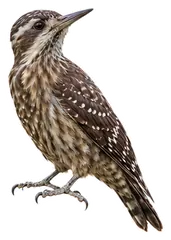 Sulawesi Pygmy WoodpeckerYungipicus temminckii
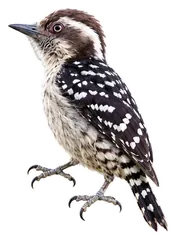 Brown-capped Pygmy WoodpeckerYungipicus nanus
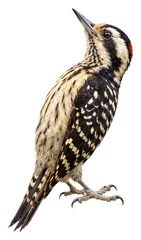 Philippine Pygmy WoodpeckerYungipicus maculatus
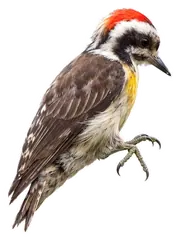 Sulu Pygmy WoodpeckerYungipicus ramsayi
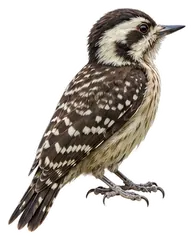 Sunda Pygmy WoodpeckerYungipicus moluccensis
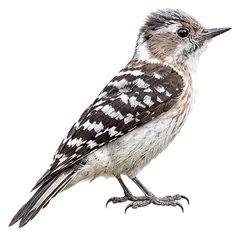 Japanese Pygmy WoodpeckerYungipicus kizuki
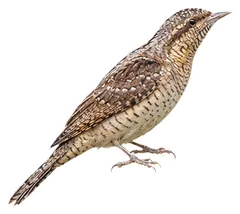 Eurasian WryneckJynx torquilla
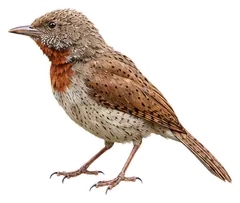 Red-throated WryneckJynx ruficollis
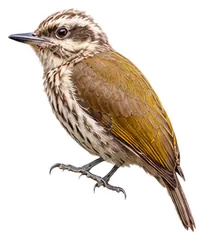 Speckled PiculetPicumnus innominatus
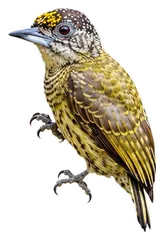 Bar-breasted PiculetPicumnus aurifrons
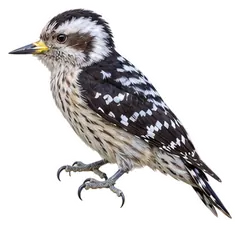
Download illustration
Free to use with credit: “Illustration: Bird Album (birdalbum.com)”. Drawn by AI from a reference photo by AR Ebrahim. ↗

Heard it but can't see it? Mingji identifies birds by sound and photo, on your phone.
In other languages
- EnglishGrey-capped Pygmy Woodpecker
- 简体中文星头啄木鸟
- 繁體中文小啄木
- 日本語ハイガシラコゲラ
- 한국어아물쇠딱다구리
- DeutschGrauscheitelspecht
- FrançaisPic à coiffe grise
- EspañolPico crestigrís
- Portuguêspiquinho-de-barrete-cinza
- ItalianoPicchio capogrigio
- NederlandsGrijskapspecht
- РусскийБольшой острокрылый дятел
- Svenskagråkronad hackspett
- DanskGråisset Flagspætte
- Polskidzięcioł drobny