 Bird Album
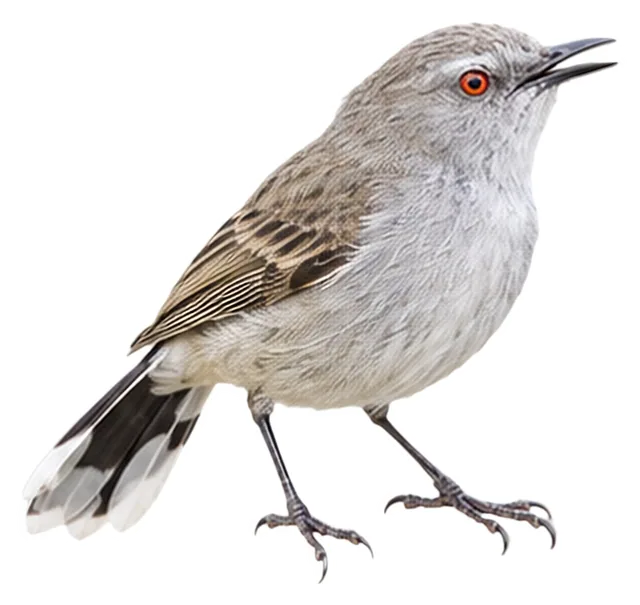
Grey Gerygone
Gerygone igata (Quoy & Gaimard, 1832)
10 cmLength6.4 gWeight
The grey warbler (Gerygone igata), also known by its Māori name riroriro, is an insectivorous bird in the family Acanthizidae endemic to New Zealand.
Busiest months: November · Most records: New Zealand
Where and when it's recorded

Grey Gerygone has been recorded at 110 of the 8,171 birding hotspots we track, in 1 country or region.
Records by month Southern Hemisphere
Where it's recorded most
- Rakiura NP – Ulva IslandNew Zealand974 records
- Zealandia Te Mara a Tane Wildlife SanctuaryNew Zealand964 records
- Massey University CampusNew Zealand962 records
More places
- Tawharanui Regional ParkNew Zealand646 records
- Tiritiri MatangiNew Zealand596 records
- Foxton Beach – Manawatu estuaryNew Zealand433 records
- Fiordland NP – Lake Gunn Nature WalkNew Zealand431 records
- Ambury Regional ParkNew Zealand332 records
- Christchurch – Wigram Retention BasinNew Zealand329 records
- Orokonui EcosanctuaryNew Zealand311 records
Countries and regions with the most records
eBird records via GBIF up to 2024-12-31. A record means someone listed it; more records partly mean more birders, not more birds.
About
The grey warbler (Gerygone igata), also known by its Māori name riroriro, is an insectivorous bird in the family Acanthizidae endemic to New Zealand. Internationally, ornithologists usually refer to it as the grey gerygone or New Zealand gerygone to avoid confusion with unrelated birds also known as warblers. It is also sometimes known as the rainbird.
Excerpt from Wikipedia, CC BY-SA 4.0 · authors · Read more on Wikipedia
Questions
How big is the Grey Gerygone?
The Grey Gerygone is about 10 cm long and weighs around 6.4 g.
Where does the Grey Gerygone live?
Its breeding range: Australasia: North, South and Stewart islands and satellites (New Zealand). It is most often recorded in New Zealand.
When is the best time to see the Grey Gerygone?
At the hotspots we track, it is recorded most in November (Southern Hemisphere).
Is the Grey Gerygone endangered?
The IUCN Red List classifies the Grey Gerygone as Least Concern.
What does the Grey Gerygone eat?
Main food: Insects & other invertebrates.
What family is the Grey Gerygone in?
It belongs to the family Australasian Warblers (Acanthizidae), order Passerines (Passeriformes).
At a glance
- Length
- 10 cm
- Weight
- 6.4 g
- Habitat
- Shrubland
- Diet
- Insects & other invertebrates
- Lifestyle
- Perches in trees
- Migration
- Resident (barely migrates)
- Conservation
- Least Concern
More measurements
- Wing
- 54 mm
- Tail
- 48 mm
- Bill
- 13 mm
- Tarsus
- 20 mm
Averages from the AVONET dataset; length from field guides where available.
Range
Australasia: North, South and Stewart islands and satellites (New Zealand)
Breeding range, IOC World Bird List 15.2
Classification
- Order
- Passerines Passeriformes
- Family
- Australasian Warblers Acanthizidae
- Genus
- Gerygone
Other birds in the genus Gerygone
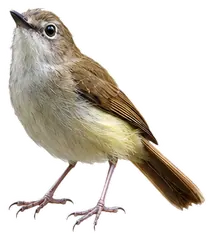 Yellow-bellied GerygoneGerygone chrysogaster
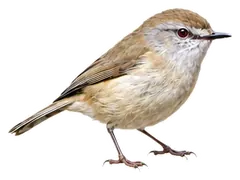 Brown GerygoneGerygone mouki
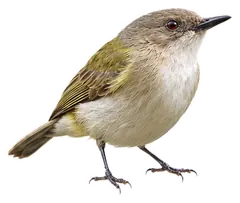 Green-backed GerygoneGerygone chloronota
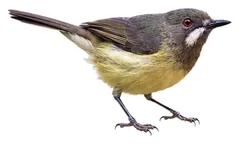 Fairy GerygoneGerygone palpebrosa
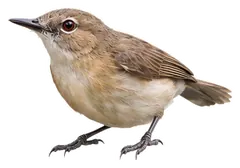 Large-billed GerygoneGerygone magnirostris
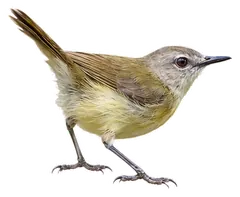 Biak GerygoneGerygone hypoxantha
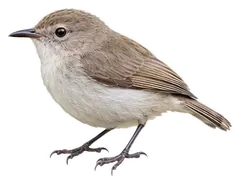 Plain GerygoneGerygone inornata
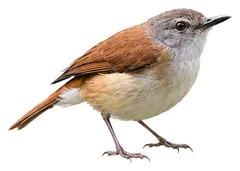 Rufous-sided GerygoneGerygone dorsalis
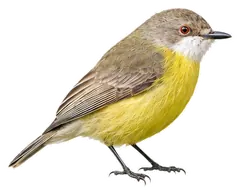 White-throated GerygoneGerygone olivacea
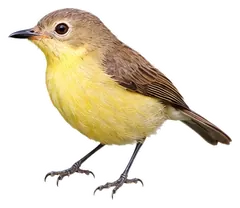 Golden-bellied GerygoneGerygone sulphurea
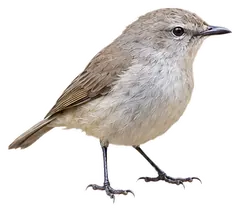 Dusky GerygoneGerygone tenebrosa
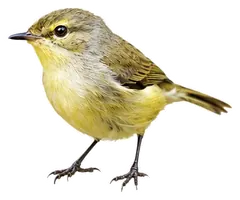 Fan-tailed GerygoneGerygone flavolateralis
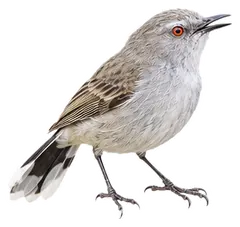
Download illustration
Free to use with credit: “Illustration: Bird Album (birdalbum.com)”. Drawn by AI from a reference photo by Caiden. ↗
Heard it but can't see it? Mingji identifies birds by sound and photo, on your phone.