 Bird Album
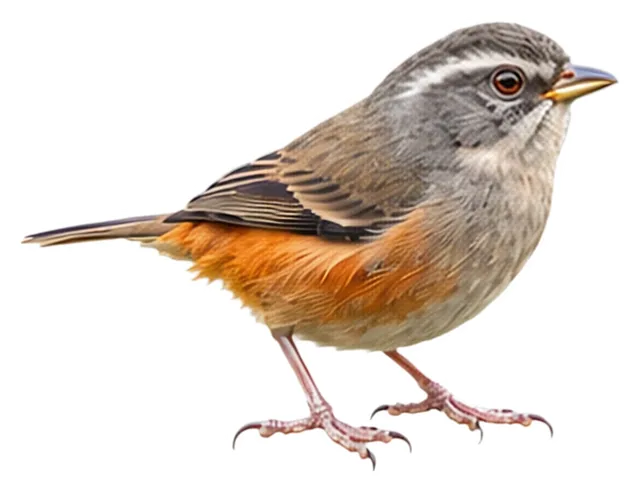
Grey-throated Warbling Finch
Microspingus cabanisi (Bonaparte, 1850)
19 gWeight
The gray-throated warbling finch (Microspingus cabanisi) is a species of bird in the family Thraupidae.
Busiest months: August and October · Most records: Argentina, Uruguay, Brazil
Where and when it's recorded

Grey-throated Warbling Finch has been recorded at 63 of the 8,171 birding hotspots we track, in 3 countries and regions.
Records by month Southern Hemisphere
Where it's recorded most
- Reserva Ecológica Costanera SurArgentina695 records
- Reserva Ribera NorteArgentina360 records
- Paso Centurión – ÁreaUruguay325 records
More places
- Curitiba – Parque TanguáBrazil220 records
- Jardim Botânico de Porto AlegreBrazil203 records
- PN El Palmar – ÁreaArgentina199 records
- Establecimiento Bichadero-Fros – Cuchilla de LaurelesUruguay111 records
- PE IntervalesBrazil82 records
- PP Caá YaríArgentina78 records
- PN Otamendi / Ciervo De Los PantanosArgentina78 records
Countries and regions with the most records
eBird records via GBIF up to 2024-12-31. A record means someone listed it; more records partly mean more birders, not more birds.
About
The gray-throated warbling finch (Microspingus cabanisi) is a species of bird in the family Thraupidae. It is found in forest borders and woodland in south-eastern Brazil, far eastern Paraguay, far north-eastern Argentina, and Uruguay. It was previously considered conspecific with the buff-throated warbling finch, and together they were known as the red-rumped warbling finch.
Excerpt from Wikipedia, CC BY-SA 4.0 · authors · Read more on Wikipedia
Questions
How big is the Grey-throated Warbling Finch?
The Grey-throated Warbling Finch weighs around 19 g.
Where does the Grey-throated Warbling Finch live?
Its breeding range: South America: southeastern Brazil to northeastern Argentina including Uruguay and eastern Paraguay. It is most often recorded in Argentina, Uruguay and Brazil.
When is the best time to see the Grey-throated Warbling Finch?
At the hotspots we track, it is recorded most in August and October (Southern Hemisphere).
Is the Grey-throated Warbling Finch endangered?
The IUCN Red List classifies the Grey-throated Warbling Finch as Least Concern.
What does the Grey-throated Warbling Finch eat?
Main food: Omnivore.
What family is the Grey-throated Warbling Finch in?
It belongs to the family Tanagers & Allies (Thraupidae), order Passerines (Passeriformes).
At a glance
- Weight
- 19 g
- Diet
- Omnivore
- Lifestyle
- Perches in trees
- Migration
- Resident (barely migrates)
- Conservation
- Least Concern
More measurements
- Wing
- 65 mm
- Tail
- 63 mm
- Bill
- 12 mm
- Tarsus
- 22 mm
Averages from the AVONET dataset; length from field guides where available.
Range
South America: southeastern Brazil to northeastern Argentina including Uruguay and eastern Paraguay
Breeding range, IOC World Bird List 15.2
Classification
- Order
- Passerines Passeriformes
- Family
- Tanagers & Allies Thraupidae
- Genus
- Microspingus
Other birds in the genus Microspingus
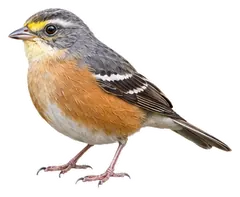 Buff-throated Warbling FinchMicrospingus lateralis
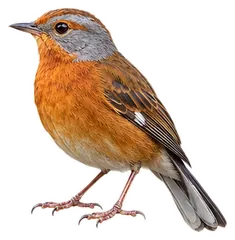 Rusty-browed Warbling FinchMicrospingus erythrophrys
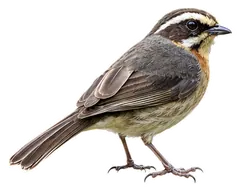 Plain-tailed Warbling FinchMicrospingus alticola
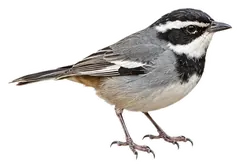 Ringed Warbling FinchMicrospingus torquatus
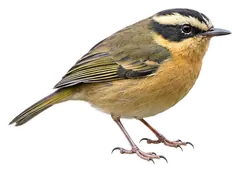 Three-striped HemispingusMicrospingus trifasciatus
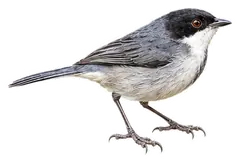 Black-capped Warbling FinchMicrospingus melanoleucus
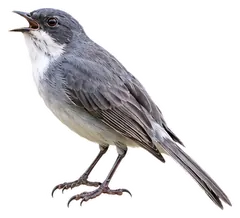 Cinereous Warbling FinchMicrospingus cinereus
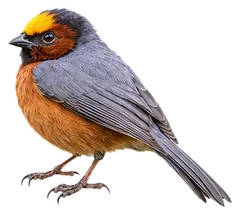 PlushcapCatamblyrhynchus diadema
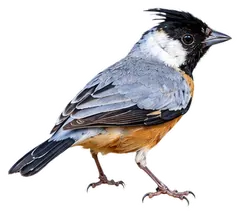 Coal-crested FinchCharitospiza eucosma
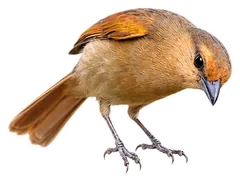 Brown TanagerOrchesticus abeillei
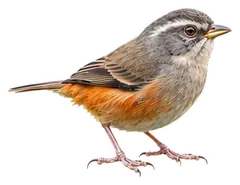
Download illustration
Free to use with credit: “Illustration: Bird Album (birdalbum.com)”. Drawn by AI from a reference photo by Arthur Alves. ↗
Heard it but can't see it? Mingji identifies birds by sound and photo, on your phone.
In other languages
- EnglishGrey-throated Warbling Finch
- 简体中文灰喉歌鹀
- 繁體中文灰喉歌鵐
- 日本語ハイノドマユシトド
- DeutschGraubrust-Finkentangare
- FrançaisTangara à collier gris
- EspañolMonterita de Cabanis
- Portuguêsquete-do-sul
- ItalianoFringuello cantore golagrigia
- NederlandsGrijsborstboomgors
- РусскийСерогорлая монтерита
- Svenskagråstrupig tangara
- DanskGråstrubet Dansefinke
- Polskiświergoszczyk kasztanowaty