 Bird Album
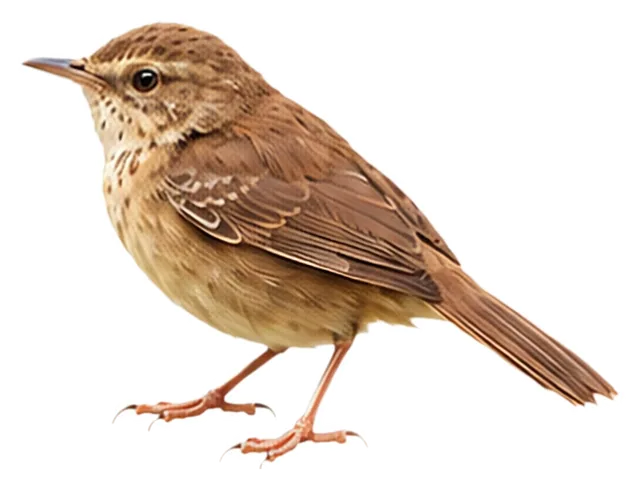
Highland Rush Warbler
Bradypterus centralis Neumann, 1908
13 gWeight
The highland rush warbler (Bradypterus centralis) is a species of Old World warbler in the family Locustellidae.
Busiest months: July and November · Most records: Kenya, Rwanda, Uganda
Where and when it's recorded
Busiest months: July and November · Most records: Kenya, Rwanda, Uganda

Highland Rush Warbler has been recorded at 55 of the 8,276 birding hotspots we track, in 6 countries and regions.
Records by month Southern Hemisphere
Where it's recorded most
- Nairobi NPKenya213 records
- Nyarutarama Area – Lake, woodland, Golf Course & Sunday ParkRwanda47 records
- Karura ForestKenya43 records
More places
- Manguo SwampKenya39 records
- Maasai Mara NR – Mara TriangleKenya35 records
- Ngorongoro Conservation Area – Ngorongoro CraterTanzania24 records
- Lake Nakuru NPKenya24 records
- Lake Mburo NPUganda21 records
- Kisumu WaterfrontKenya21 records
- Nyandungu Urban Wetland Eco-tourism ParkRwanda19 records
Countries and regions with the most records
eBird records via GBIF up to 2024-12-31. A record means someone listed it; more records partly mean more birders, not more birds.
About
The highland rush warbler (Bradypterus centralis) is a species of Old World warbler in the family Locustellidae. Although mainly present in the Albertine rift montane forests and the East African montane forests, it is sparsely distributed from Ghana to Ethiopia and Tanzania.
Excerpt from Wikipedia, CC BY-SA 4.0 · authors · Read more on Wikipedia
Questions
How big is the Highland Rush Warbler?
The Highland Rush Warbler weighs around 13 g.
Where does the Highland Rush Warbler live?
Its breeding range: Africa: central African highlands. It is most often recorded in Kenya, Rwanda and Uganda.
When is the best time to see the Highland Rush Warbler?
At the hotspots we track, it is recorded most in July and November (Southern Hemisphere).
Is the Highland Rush Warbler endangered?
The IUCN Red List classifies the Highland Rush Warbler as Least Concern.
What does the Highland Rush Warbler eat?
Main food: Insects & other invertebrates.
What family is the Highland Rush Warbler in?
It belongs to the family Grassbirds & Allies (Locustellidae), order Passerines (Passeriformes).
At a glance
- Weight
- 13 g
- Habitat
- Wetland
- Diet
- Insects & other invertebrates
- Lifestyle
- Perches in trees
- Migration
- Resident (barely migrates)
- Conservation
- Least Concern
More measurements
- Wing
- 58 mm
- Tail
- 64 mm
- Bill
- 15 mm
- Tarsus
- 20 mm
Averages from the AVONET dataset; length from field guides where available.
Range
Africa: central African highlands
Breeding range, IOC World Bird List 15.2
Classification
- Order
- Passerines Passeriformes
- Family
- Grassbirds & Allies Locustellidae
- Genus
- Bradypterus
Other birds in the genus Bradypterus
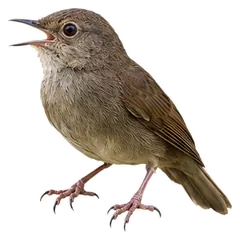 Knysna WarblerBradypterus sylvaticus
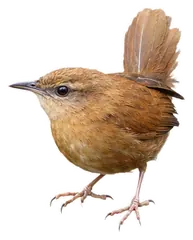 Bangwa Forest WarblerBradypterus bangwaensis
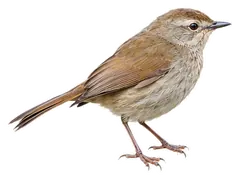 Barratt's WarblerBradypterus barratti
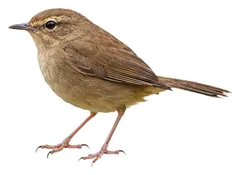 Evergreen Forest WarblerBradypterus lopezi
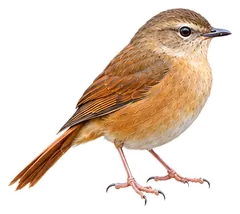 Cinnamon Bracken WarblerBradypterus cinnamomeus
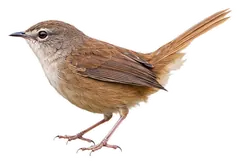 Grey EmutailBradypterus seebohmi
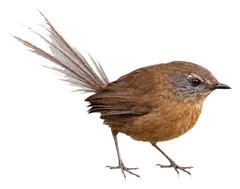 Brown EmutailBradypterus brunneus
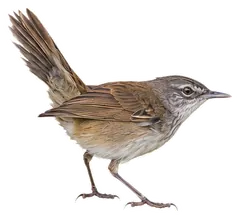 Dja River Scrub WarblerBradypterus grandis
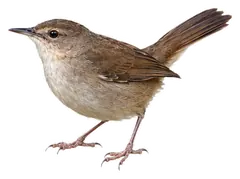 Little Rush WarblerBradypterus baboecala
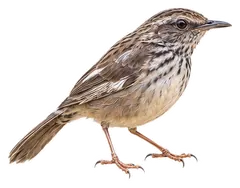 White-winged Swamp WarblerBradypterus carpalis
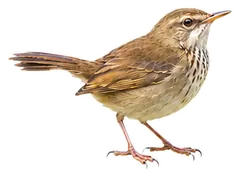 Grauer's Swamp WarblerBradypterus graueri
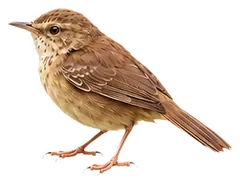
Download illustration
Free to use with credit: “Illustration: Bird Album (birdalbum.com)”. Drawn by AI from a reference photo by Tiago Guerreiro. ↗
Heard it but can't see it? Mingji identifies birds by sound and photo, on your phone.