 Bird Album
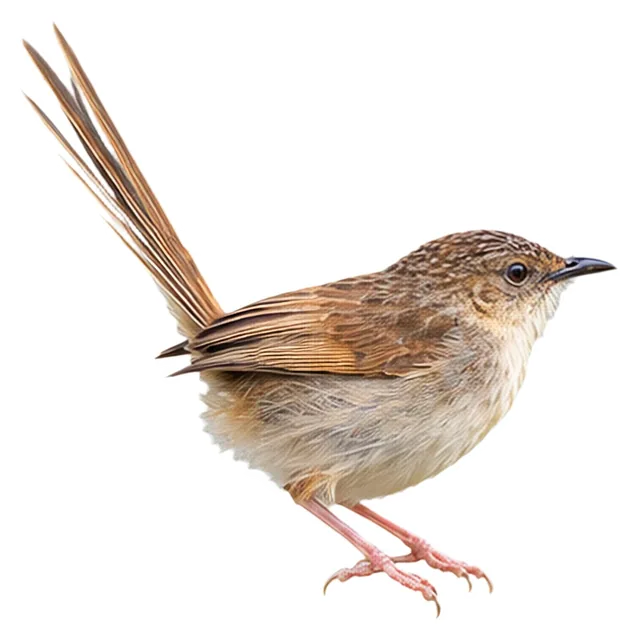
Himalayan Prinia
Prinia crinigera Hodgson, 1836
≈13 cmLength14 gWeight
It has a long, broad tail and dark, cool-toned coloration.
Busiest months: April · Most records: China, India, Nepal
How to identify
Field marks
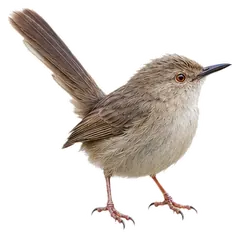
- Long, broad, dark tail
- Male in the breeding season has a blackish crown and face
- Male in the breeding season has dark, mottled breast-sides
- Male in the breeding season has a blackish bill
Male, female and young
In the breeding season, the female is paler and less streaked, with a pale pink tinge to the bill.
Where and when it's recorded

Himalayan Prinia has been recorded at 159 of the 8,171 birding hotspots we track, in 6 countries and regions.
Records by month Northern Hemisphere
Where it's recorded most
More places
- Nantou – Meifeng Highland Experimental Farm of NTUTaiwan (China)111 records
- Sim to Bosan AreaNepal99 records
- Dasyueshan IBA – Hengliu Creek (15K)Taiwan (China)68 records
- Talhaar Ridge - Margalla HillsPakistan62 records
- Ichangu NarayanNepal57 records
- Liangwang MountainChina50 records
- Gadhi Siraichuli Important Bird AreaNepal38 records
Countries and regions with the most records
eBird records via GBIF up to 2024-12-31. A record means someone listed it; more records partly mean more birders, not more birds.
About
The Himalayan prinia (Prinia crinigera) is a species of bird in the family Cisticolidae. It was formerly lumped in with the striped prinia (P. striata) as the striated prinia.
Excerpt from Wikipedia, CC BY-SA 4.0 · authors · Read more on Wikipedia
Questions
How big is the Himalayan Prinia?
The Himalayan Prinia is about ≈13 cm long and weighs around 14 g.
Where does the Himalayan Prinia live?
Its breeding range: Palearctic: Afghanistan to northeastern India, Bhutan and southern China. It is most often recorded in China, India and Nepal.
When is the best time to see the Himalayan Prinia?
At the hotspots we track, it is recorded most in April (Northern Hemisphere).
Is the Himalayan Prinia endangered?
The IUCN Red List classifies the Himalayan Prinia as Least Concern.
What does the Himalayan Prinia eat?
Main food: Insects & other invertebrates.
What family is the Himalayan Prinia in?
It belongs to the family Cisticolas & Allies (Cisticolidae), order Passerines (Passeriformes).
At a glance
- Length
- ≈13 cm
- Weight
- 14 g
- Habitat
- Shrubland
- Diet
- Insects & other invertebrates
- Lifestyle
- Varied
- Migration
- Resident (barely migrates)
- Conservation
- Least Concern
More measurements
- Wing
- 51 mm
- Tail
- 75 mm
- Bill
- 12 mm
- Tarsus
- 19 mm
Averages from the AVONET dataset; length from field guides where available.
Range
Palearctic: Afghanistan to northeastern India, Bhutan and southern China
Breeding range, IOC World Bird List 15.2
Subspecies · 2
- Prinia crinigera yunnanensis ne India to w Yunnan, China
- Prinia crinigera bangsi se Yunnan (s China)
Classification
- Order
- Passerines Passeriformes
- Family
- Cisticolas & Allies Cisticolidae
- Genus
- Prinia
Other birds in the genus Prinia
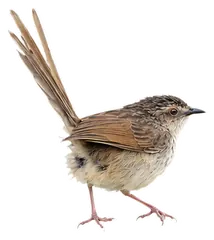 Striped PriniaPrinia striata
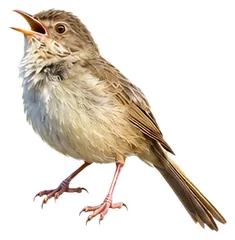 Brown PriniaPrinia polychroa
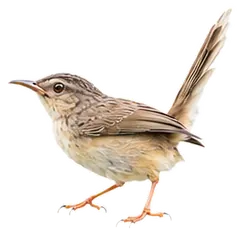 Burmese PriniaPrinia cooki
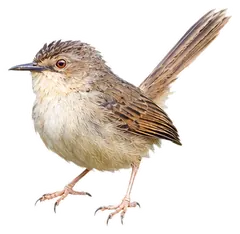 Annam PriniaPrinia rocki
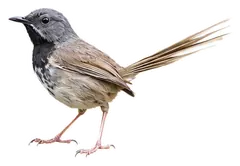 Black-throated PriniaPrinia atrogularis
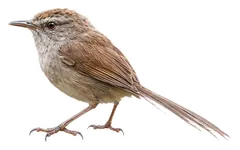 Rufous-crowned PriniaPrinia khasiana
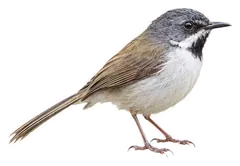 Hill PriniaPrinia superciliaris
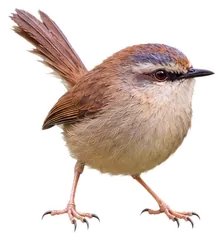 Grey-crowned PriniaPrinia cinereocapilla
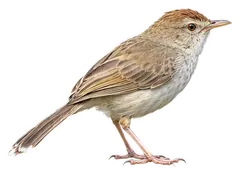 Rufous-fronted PriniaPrinia buchanani
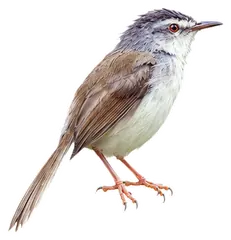 Rufescent PriniaPrinia rufescens
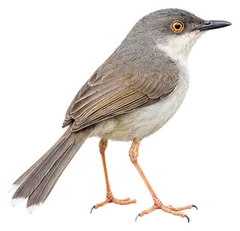 Grey-breasted PriniaPrinia hodgsonii
 Graceful PriniaPrinia gracilis
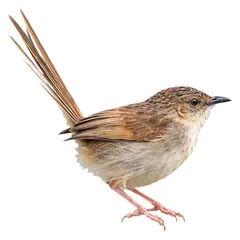
Download illustration
Free to use with credit: “Illustration: Bird Album (birdalbum.com)”. Drawn by AI from a reference photo by Christian Artuso. ↗
Heard it but can't see it? Mingji identifies birds by sound and photo, on your phone.