 Bird Album
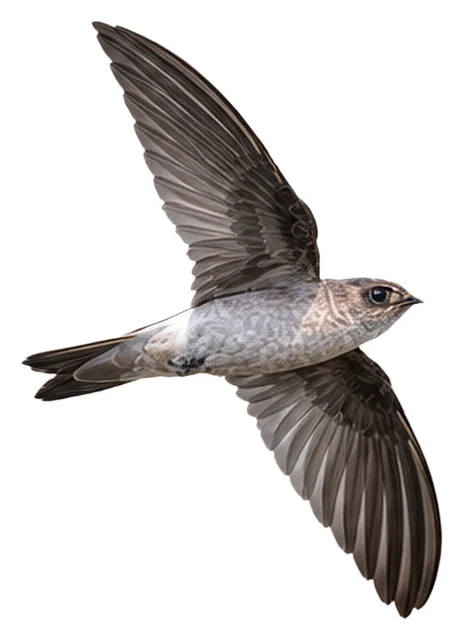
Himalayan Swiftlet
Aerodramus brevirostris (Horsfield, 1840)
13–14 cmLength13 gWeight
This small swift has crescent- or boomerang-shaped wings and roosts and breeds in flocks in caves.
Busiest months: February · Most records: Thailand, China, India
How to identify
Field marks
- Swept-back wings shaped like a crescent or boomerang
- Slender body and forked tail
- Upperparts mainly gray-brown, underparts paler brown
- Pale gray rump and a pale patch above and behind the bill
Male, female and young
Sexes similar; juveniles have a less distinct rump color.
Voice
Twittering “chit-chit” calls when roosting, also a shrill “teeree-teeree-teeree”.
Where and when it's recorded
Busiest months: February · Most records: Thailand, China, India

Himalayan Swiftlet has been recorded at 547 of the 8,276 birding hotspots we track, in 13 countries and regions.
Records by month Northern Hemisphere
Where it's recorded most
- Kaeng Krachan NPThailand245 records
- Kaeng Krachan NP – Panoen Thung (upper elevation) vicinityThailand239 records
- Doi Pha Hom Pok NP – Doi AngkhangThailand206 records
More places
- Khao Yai NPThailand188 records
- Longcanggou [General Area]China175 records
- Chiang Dao Wildlife Sanctuary – Wat Tham Pha PlongThailand173 records
- Chiang Mai University – Mae Hia Agricultural CollegeThailand168 records
- Doi Pha Hom Pok NP – Doi Lang (W), AKA Doi San JuThailand161 records
- Doi Pha Hom Pok NP – headquarters & Fang hot springsThailand130 records
- Mae Taeng Irrigation ProjectThailand130 records
Countries and regions with the most records
eBird records via GBIF up to 2024-12-31. A record means someone listed it; more records partly mean more birders, not more birds.
About
The Himalayan swiftlet (Aerodramus brevirostris) is a small swift. It is a common colonial breeder in the Himalayas and Southeast Asia. Some populations are migratory.
Excerpt from Wikipedia, CC BY-SA 4.0 · authors · Read more on Wikipedia
Questions
How big is the Himalayan Swiftlet?
The Himalayan Swiftlet is about 13–14 cm long and weighs around 13 g.
Where does the Himalayan Swiftlet live?
Its breeding range: Oriental: northeastern India to south-central China and Malay Peninsula. It is most often recorded in Thailand, China and India.
When is the best time to see the Himalayan Swiftlet?
At the hotspots we track, it is recorded most in February (Northern Hemisphere).
Is the Himalayan Swiftlet endangered?
The IUCN Red List classifies the Himalayan Swiftlet as Least Concern.
What does the Himalayan Swiftlet eat?
Main food: Insects & other invertebrates.
What family is the Himalayan Swiftlet in?
It belongs to the family Swifts (Apodidae), order Apodiformes.
At a glance
- Length
- 13–14 cm
- Weight
- 13 g
- Habitat
- Rocky terrain
- Diet
- Insects & other invertebrates
- Lifestyle
- Feeds in the air
- Migration
- Resident (barely migrates)
- Conservation
- Least Concern
More measurements
- Wing
- 123 mm
- Tail
- 52 mm
- Bill
- 7 mm
- Tarsus
- 10 mm
Averages from the AVONET dataset; length from field guides where available.
Range
Oriental: northeastern India to south-central China and Malay Peninsula
Breeding range, IOC World Bird List 15.2
Subspecies · 2
- Aerodramus brevirostris brevirostris Himalayas, ne India, s China and n Myanmar
- Aerodramus brevirostris innominatus c China to n Vietnam
Classification
- Order
- Apodiformes
- Family
- Swifts Apodidae
- Genus
- Aerodramus
Other birds in the genus Aerodramus
 Seychelles SwiftletAerodramus elaphrus
 Mascarene SwiftletAerodramus francicus
 Indian SwiftletAerodramus unicolor
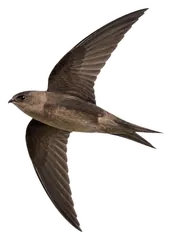 Philippine SwiftletAerodramus mearnsi
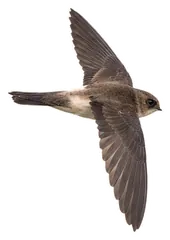 Moluccan SwiftletAerodramus infuscatus
 Mountain SwiftletAerodramus hirundinaceus
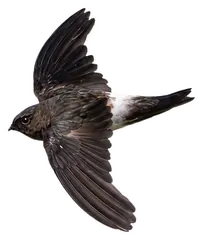 White-rumped SwiftletAerodramus spodiopygius
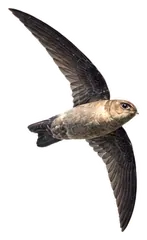 Australian SwiftletAerodramus terraereginae
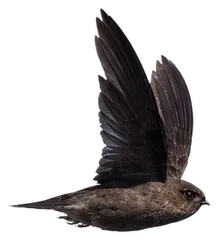 Volcano SwiftletAerodramus vulcanorum
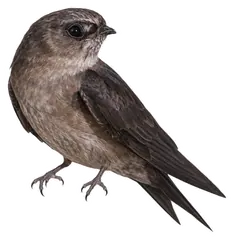 Whitehead's SwiftletAerodramus whiteheadi
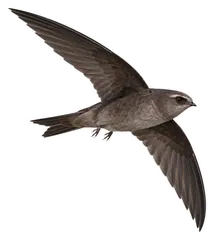 Bare-legged SwiftletAerodramus nuditarsus
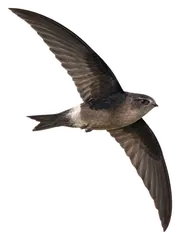 Mayr's SwiftletAerodramus orientalis
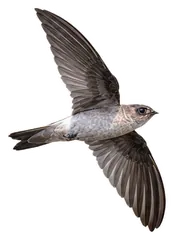
Download illustration
Free to use with credit: “Illustration: Bird Album (birdalbum.com)”. Drawn by AI from a reference photo by darklighter. ↗
Heard it but can't see it? Mingji identifies birds by sound and photo, on your phone.
In other languages
- EnglishHimalayan Swiftlet
- 简体中文短嘴金丝燕
- 繁體中文短嘴金絲燕
- 日本語ヒマラヤアナツバメ
- 한국어황해쇠칼새
- DeutschHimalajasalangane
- FrançaisSalangane de l’Himalaya
- EspañolSalangana del Himalaya
- Portuguêssalangana-do-himalaia
- ItalianoSalangana dell'Himalaya
- NederlandsHimalayasalangaan
- РусскийГималайская салангана
- Svenskahimalayasalangan
- DanskHimalayasalangan
- Polskisalangana himalajska