 Bird Album
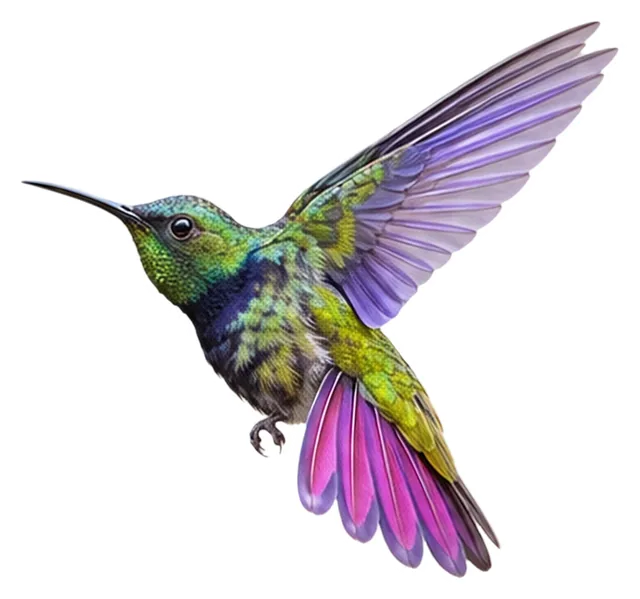
Hispaniolan Mango
Anthracothorax dominicus (Linnaeus, 1766)
12–14 cmLength5.8 gWeight
The Hispaniolan mango (Anthracothorax dominicus) is a species of hummingbird in the subfamily Polytminae.
Busiest months: January–March · Most records: Puerto Rico, Dominican Republic, Haiti
Where and when it's recorded
Busiest months: January–March · Most records: Puerto Rico, Dominican Republic, Haiti

Hispaniolan Mango has been recorded at 49 of the 8,276 birding hotspots we track, in 4 countries and regions.
Records by month Northern Hemisphere
Where it's recorded most
- Jardín Botánico NacionalDominican Republic852 records
- Hacienda La EsperanzaPuerto Rico814 records
- Paraíso Caño HondoDominican Republic677 records
More places
- 26 HDLPuerto Rico553 records
- Bosque Estatal de CambalachePuerto Rico520 records
- Rabo de GatoDominican Republic383 records
- Bosque Estatal de PiñonesPuerto Rico277 records
- PN Julio Enrique MonagaPuerto Rico275 records
- La Parguera – town and nearest environsPuerto Rico253 records
- Salinas de Cabo Rojo-Centro Interpretativo y VeredasPuerto Rico227 records
Countries and regions with the most records
eBird records via GBIF up to 2024-12-31. A record means someone listed it; more records partly mean more birders, not more birds.
About
The Hispaniolan mango (Anthracothorax dominicus) is a species of hummingbird in the subfamily Polytminae. It is endemic to the Caribbean island of Hispaniola (in both the Dominican Republic and Haiti).
Excerpt from Wikipedia, CC BY-SA 4.0 · authors · Read more on Wikipedia
Questions
How big is the Hispaniolan Mango?
The Hispaniolan Mango is about 12–14 cm long and weighs around 5.8 g.
Where does the Hispaniolan Mango live?
Its breeding range: North America: Hispaniola and nearby islands. It is most often recorded in Puerto Rico, Dominican Republic and Haiti.
When is the best time to see the Hispaniolan Mango?
At the hotspots we track, it is recorded most in January, February and March (Northern Hemisphere).
Is the Hispaniolan Mango endangered?
The IUCN Red List classifies the Hispaniolan Mango as Least Concern.
What does the Hispaniolan Mango eat?
Main food: Nectar.
What family is the Hispaniolan Mango in?
It belongs to the family Hummingbirds (Trochilidae), order Apodiformes.
At a glance
- Length
- 12–14 cm
- Weight
- 5.8 g
- Habitat
- Shrubland
- Diet
- Nectar
- Lifestyle
- Feeds in the air
- Migration
- Resident (barely migrates)
- Conservation
- Least Concern
More measurements
- Wing
- 63 mm
- Tail
- 37 mm
- Bill
- 27 mm
- Tarsus
- 5 mm
Averages from the AVONET dataset; length from field guides where available.
Range
North America: Hispaniola and nearby islands
Breeding range, IOC World Bird List 15.2
Classification
- Order
- Apodiformes
- Family
- Hummingbirds Trochilidae
- Genus
- Anthracothorax
Other birds in the genus Anthracothorax
 Jamaican MangoAnthracothorax mango
 Green-throated MangoAnthracothorax viridigula
 Green-breasted MangoAnthracothorax prevostii
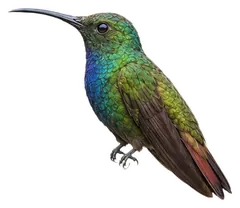 Veraguan MangoAnthracothorax veraguensis
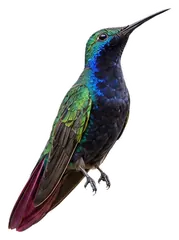 Black-throated MangoAnthracothorax nigricollis
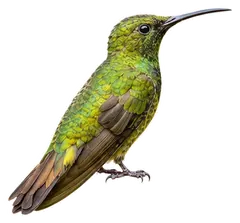 Puerto Rican MangoAnthracothorax aurulentus
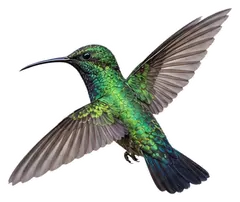 Green MangoAnthracothorax viridis
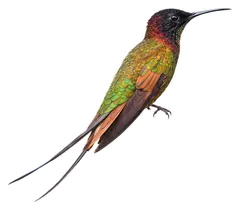 Crimson TopazTopaza pella
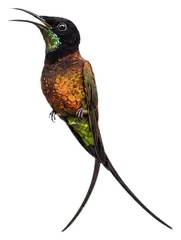 Fiery TopazTopaza pyra
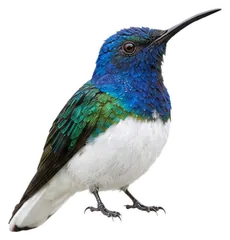 White-necked JacobinFlorisuga mellivora
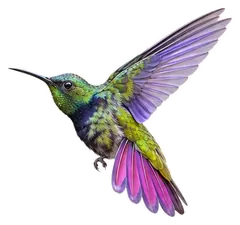
Download illustration
Free to use with credit: “Illustration: Bird Album (birdalbum.com)”. Drawn by AI from a reference photo by Pedro Genaro Rodriguez. ↗
Heard it but can't see it? Mingji identifies birds by sound and photo, on your phone.
In other languages
- EnglishHispaniolan Mango
- 简体中文黑胸芒果蜂鸟
- 繁體中文波多黎各芒果蜂鳥
- 日本語ウスミドリマンゴーハチドリ
- DeutschDominikanermangokolibri
- FrançaisMango doré
- EspañolMango dominicano
- Portuguêsbeija-flor-haitiano
- ItalianoMango delle Antille
- NederlandsDominicaanse Mango
- РусскийДоминиканский манго
- Svenskahispaniolamango
- DanskAntilmango
- Polskiwęglik antylski