 Bird Album
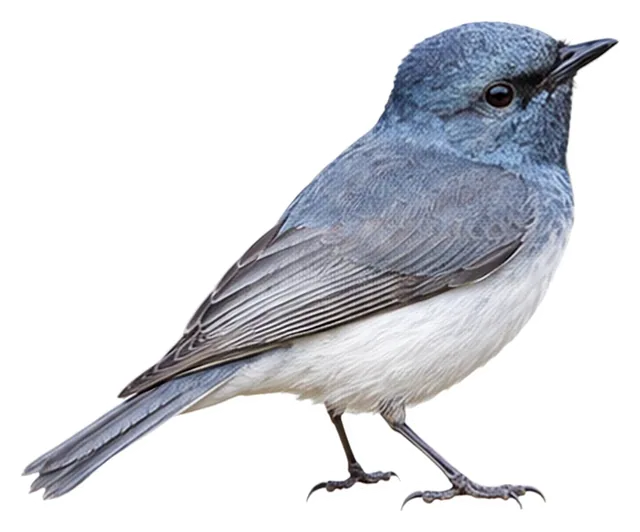
Leaden Flycatcher
Myiagra rubecula (Latham, 1801)
14–16 cmLength12 gWeight
The leaden flycatcher (Myiagra rubecula) is a species of passerine bird in the family Monarchidae.
Busiest months: September–October · Most records: Australia, Papua New Guinea
Where and when it's recorded

Leaden Flycatcher has been recorded at 157 of the 8,171 birding hotspots we track, in 2 countries and regions.
Records by month Southern Hemisphere
Where it's recorded most
- Sandy Camp Road WetlandsAustralia3,093 records
- Townsville Town Common Conservation ParkAustralia2,535 records
- Cattana WetlandsAustralia1,615 records
More places
- Lake Samsonvale – Golds Scrub LaneAustralia1,229 records
- Tyto WetlandsAustralia1,195 records
- Tinchi Tamba Wetlands ReserveAustralia1,008 records
- Oxley Creek CommonAustralia761 records
- Mt Ainslie Nature Reserve – Campbell ParkAustralia734 records
- Abattoir Swamp, JulattenAustralia623 records
- Nature Refuge Hawkesbury RoadAustralia529 records
Countries and regions with the most records
eBird records via GBIF up to 2024-12-31. A record means someone listed it; more records partly mean more birders, not more birds.
About
The leaden flycatcher (Myiagra rubecula) is a species of passerine bird in the family Monarchidae. It is found in eastern and northern Australia, Indonesia, and Papua New Guinea. Its natural habitat is subtropical or tropical mangrove forests in the northern parts of its range, in the south and inland it is eucalypt woodland.
Excerpt from Wikipedia, CC BY-SA 4.0 · authors · Read more on Wikipedia
Questions
How big is the Leaden Flycatcher?
The Leaden Flycatcher is about 14–16 cm long and weighs around 12 g.
Where does the Leaden Flycatcher live?
Its breeding range: Australasia: southern, southeastern New Guinea and northern, eastern Australia. It is most often recorded in Australia and Papua New Guinea.
When is the best time to see the Leaden Flycatcher?
At the hotspots we track, it is recorded most in September and October (Southern Hemisphere).
Is the Leaden Flycatcher endangered?
The IUCN Red List classifies the Leaden Flycatcher as Least Concern.
What does the Leaden Flycatcher eat?
Main food: Insects & other invertebrates.
What family is the Leaden Flycatcher in?
It belongs to the family Monarchs (Monarchidae), order Passerines (Passeriformes).
At a glance
- Length
- 14–16 cm
- Weight
- 12 g
- Habitat
- Forest
- Diet
- Insects & other invertebrates
- Lifestyle
- Perches in trees
- Migration
- Resident (barely migrates)
- Conservation
- Least Concern
More measurements
- Wing
- 74 mm
- Tail
- 66 mm
- Bill
- 16 mm
- Tarsus
- 15 mm
Averages from the AVONET dataset; length from field guides where available.
Range
Australasia: southern, southeastern New Guinea and northern, eastern Australia
Breeding range, IOC World Bird List 15.2
Classification
- Order
- Passerines Passeriformes
- Family
- Monarchs Monarchidae
- Genus
- Myiagra
Other birds in the genus Myiagra
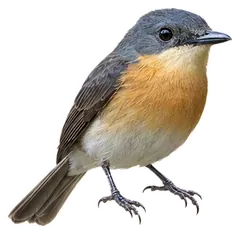 Chuuk FlycatcherMyiagra oceanica
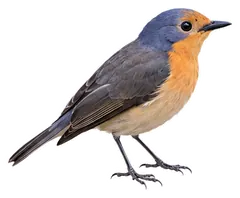 Palau FlycatcherMyiagra erythrops
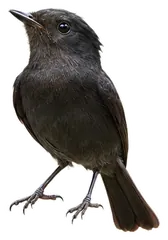 Pohnpei FlycatcherMyiagra pluto
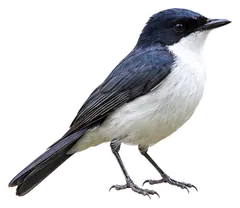 Moluccan FlycatcherMyiagra galeata
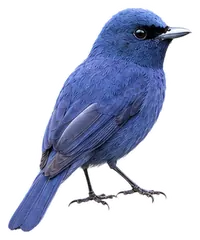 Biak Black FlycatcherMyiagra atra
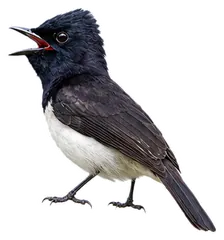 Steel-blue FlycatcherMyiagra ferrocyanea
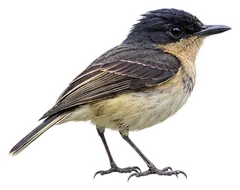 Makira FlycatcherMyiagra cervinicauda
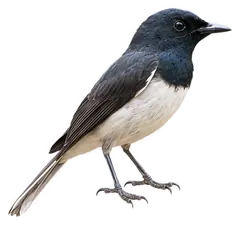 Melanesian FlycatcherMyiagra caledonica
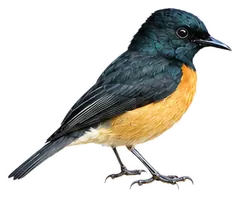 Vanikoro FlycatcherMyiagra vanikorensis
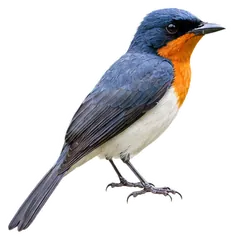 Samoan FlycatcherMyiagra albiventris
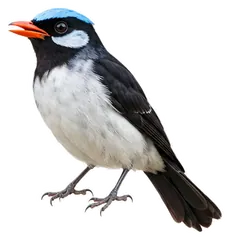 Azure-crested FlycatcherMyiagra azureocapilla
 Chestnut-throated FlycatcherMyiagra castaneigularis
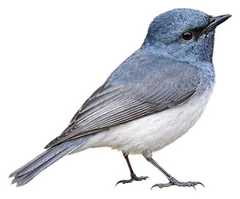
Download illustration
Free to use with credit: “Illustration: Bird Album (birdalbum.com)”. Drawn by AI from a reference photo by nick_rogers. ↗
Heard it but can't see it? Mingji identifies birds by sound and photo, on your phone.