 Bird Album
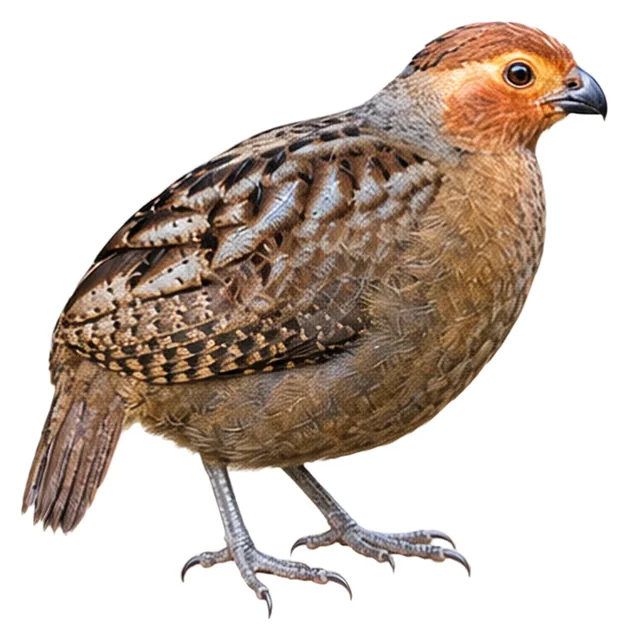
Marbled Wood Quail
Odontophorus gujanensis (Gmelin, JF, 1789)
23–29 cmLength314 gWeight
The marbled wood quail (Odontophorus gujanensis), also known as the Amazonian wood quail, is a species of bird in the New World quail family.
Busiest months: March · Most records: Costa Rica, Colombia, Ecuador
Where and when it's recorded
Busiest months: March · Most records: Costa Rica, Colombia, Ecuador

Marbled Wood Quail has been recorded at 111 of the 8,276 birding hotspots we track, in 11 countries and regions.
Records by month Northern Hemisphere
Where it's recorded most
- Wilson Botanical GardenCosta Rica442 records
- El Paujil Proaves ReserveColombia355 records
- PN Carara-Entrada principal [senderos Quebrada Bonita y Universal]Costa Rica332 records
More places
- Reserva Natural La Isla EscondidaColombia204 records
- Pauxi pauxi ProAves ReserveColombia202 records
- RNA PaujilColombia180 records
- Sacha LodgeEcuador161 records
- Bosque del Rio Tigre LodgeCosta Rica132 records
- PN Corcovado – Sector SirenaCosta Rica115 records
- Villa LapasCosta Rica101 records
Countries and regions with the most records
eBird records via GBIF up to 2024-12-31. A record means someone listed it; more records partly mean more birders, not more birds.
About
The marbled wood quail (Odontophorus gujanensis), also known as the Amazonian wood quail, is a species of bird in the New World quail family. It has an extensive distribution in Central America and the northern part of South America. Its natural habitat is subtropical or tropical moist lowland forests.
Excerpt from Wikipedia, CC BY-SA 4.0 · authors · Read more on Wikipedia
Questions
How big is the Marbled Wood Quail?
The Marbled Wood Quail is about 23–29 cm long and weighs around 314 g.
Where does the Marbled Wood Quail live?
Its breeding range: Middle America, South America: Costa Rica to eastern Bolivia. It is most often recorded in Costa Rica, Colombia and Ecuador.
When is the best time to see the Marbled Wood Quail?
At the hotspots we track, it is recorded most in March (Northern Hemisphere).
Is the Marbled Wood Quail endangered?
The IUCN Red List classifies the Marbled Wood Quail as Least Concern.
What does the Marbled Wood Quail eat?
Main food: Omnivore.
What family is the Marbled Wood Quail in?
It belongs to the family New World Quail (Odontophoridae), order Galliformes.
At a glance
- Length
- 23–29 cm
- Weight
- 314 g
- Habitat
- Forest
- Diet
- Omnivore
- Lifestyle
- Active on the ground
- Migration
- Resident (barely migrates)
- Conservation
- Least Concern
More measurements
- Wing
- 143 mm
- Tail
- 71 mm
- Bill
- 20 mm
- Tarsus
- 37 mm
Averages from the AVONET dataset; length from field guides where available.
Range
Middle America, South America: Costa Rica to eastern Bolivia
Breeding range, IOC World Bird List 15.2
Classification
- Order
- Galliformes
- Family
- New World Quail Odontophoridae
- Genus
- Odontophorus
Other birds in the genus Odontophorus
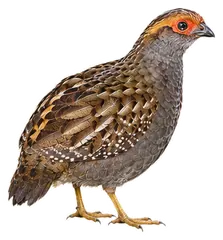 Spot-winged Wood QuailOdontophorus capueira
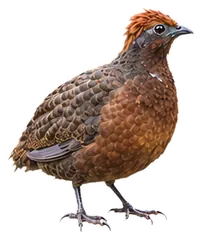 Black-eared Wood QuailOdontophorus melanotis
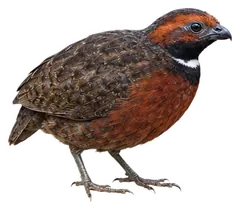 Rufous-fronted Wood QuailOdontophorus erythrops
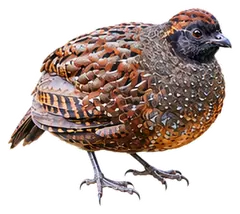 Black-fronted Wood QuailOdontophorus atrifrons
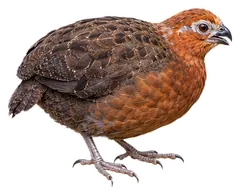 Chestnut Wood QuailOdontophorus hyperythrus
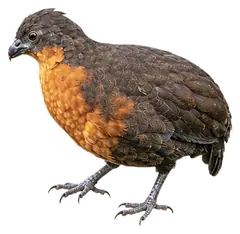 Dark-backed Wood QuailOdontophorus melanonotus
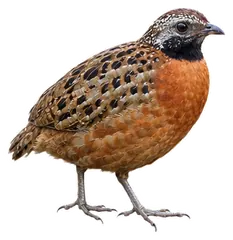 Rufous-breasted Wood QuailOdontophorus speciosus
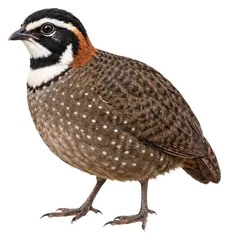 Tacarcuna Wood QuailOdontophorus dialeucos
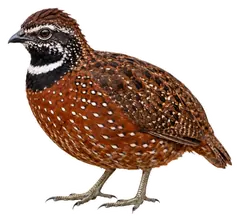 Gorgeted Wood QuailOdontophorus strophium
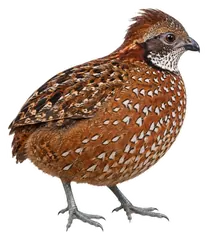 Venezuelan Wood QuailOdontophorus columbianus
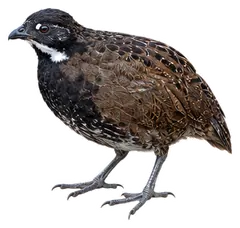 Black-breasted Wood QuailOdontophorus leucolaemus
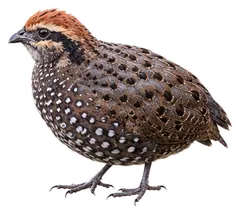 Stripe-faced Wood QuailOdontophorus balliviani
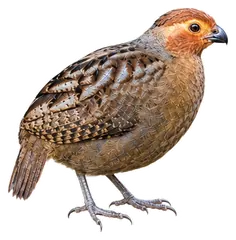
Download illustration
Free to use with credit: “Illustration: Bird Album (birdalbum.com)”. Drawn by AI from a reference photo by Luiz Fernando Matos. ↗
Heard it but can't see it? Mingji identifies birds by sound and photo, on your phone.
In other languages
- EnglishMarbled Wood Quail
- 简体中文云斑林鹑
- 繁體中文雲斑林鶉
- 日本語ギアナウズラ
- DeutschMarmorwachtel
- FrançaisTocro de Guyane
- EspañolCorcovado común
- Portuguêsuru-corcovado
- ItalianoQuaglia boschereccia marmorizzata
- NederlandsGemarmerde Tandkwartel
- РусскийМраморный зубцеклювый перепел
- Svenskamarmortandvaktel
- DanskBrun Tandvagtel
- Polskiprzepiór marmurkowy