 Bird Album
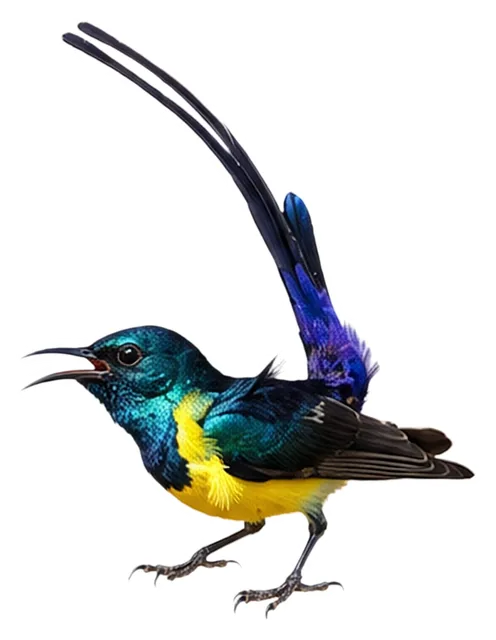
Nile Valley Sunbird
Hedydipna metallica (Lichtenstein, MHC, 1823)
7.2 gWeight
The Nile Valley sunbird (Hedydipna metallica) is a species of bird in the family Nectariniidae.
Busiest months: February–March · Most records: Egypt, Ethiopia, Saudi Arabia
Where and when it's recorded

Nile Valley Sunbird has been recorded at 37 of the 8,171 birding hotspots we track, in 7 countries and regions.
Records by month Northern Hemisphere
Where it's recorded most
- Luxor / – Jazira Al Awamiyyah (Crocodile Island)Egypt144 records
- Aswan – Nile Riverbank South of King of Egypt Hotel /Egypt128 records
- Awash NP – southern sectionEthiopia126 records
More places
- Doho LodgeEthiopia104 records
- Al Sadd LakeSaudi Arabia99 records
- Awash NPEthiopia88 records
- Lake Basaka – north shoreEthiopia68 records
- KAUST – Safaa Golf ClubSaudi Arabia68 records
- Kitchener's Island /Egypt58 records
- Aswan – Nile below Low Dam /Egypt55 records
Countries and regions with the most records
eBird records via GBIF up to 2024-12-31. A record means someone listed it; more records partly mean more birders, not more birds.
About
The Nile Valley sunbird (Hedydipna metallica) is a species of bird in the family Nectariniidae. It is found in Djibouti, Egypt, Eritrea, Ethiopia, Rwanda, Oman, Saudi Arabia, Somalia, Sudan, Libya, and Yemen.
Excerpt from Wikipedia, CC BY-SA 4.0 · authors · Read more on Wikipedia
Questions
How big is the Nile Valley Sunbird?
The Nile Valley Sunbird weighs around 7.2 g.
Where does the Nile Valley Sunbird live?
Its breeding range: Africa: Egypt to South Sudan, Ethiopia and Somalia; also southwestern Arabian Peninsula. It is most often recorded in Egypt, Ethiopia and Saudi Arabia.
When is the best time to see the Nile Valley Sunbird?
At the hotspots we track, it is recorded most in February and March (Northern Hemisphere).
Is the Nile Valley Sunbird endangered?
The IUCN Red List classifies the Nile Valley Sunbird as Least Concern.
What does the Nile Valley Sunbird eat?
Main food: Insects & other invertebrates.
What family is the Nile Valley Sunbird in?
It belongs to the family Sunbirds (Nectariniidae), order Passerines (Passeriformes).
At a glance
- Weight
- 7.2 g
- Habitat
- Shrubland
- Diet
- Insects & other invertebrates
- Lifestyle
- Perches in trees
- Migration
- Resident (barely migrates)
- Conservation
- Least Concern
More measurements
- Wing
- 54 mm
- Tail
- 42 mm
- Bill
- 13 mm
- Tarsus
- 14 mm
Averages from the AVONET dataset; length from field guides where available.
Range
Africa: Egypt to South Sudan, Ethiopia and Somalia; also southwestern Arabian Peninsula
Breeding range, IOC World Bird List 15.2
Classification
- Order
- Passerines Passeriformes
- Family
- Sunbirds Nectariniidae
- Genus
- Hedydipna
Other birds in the genus Hedydipna
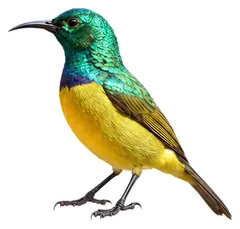 Collared SunbirdHedydipna collaris
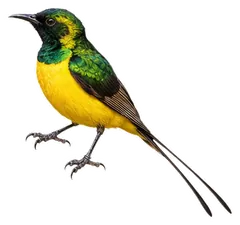 Pygmy SunbirdHedydipna platura
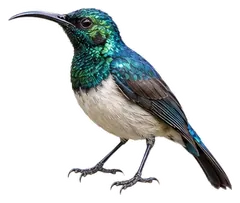 Amani SunbirdHedydipna pallidigaster
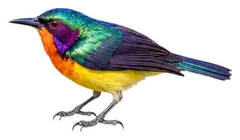 Ruby-cheeked SunbirdChalcoparia singalensis
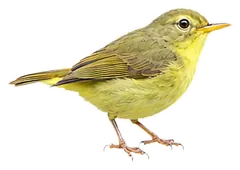 Fraser's SunbirdDeleornis fraseri
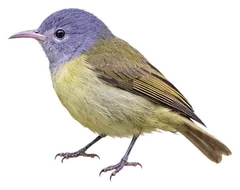 Grey-headed SunbirdDeleornis axillaris
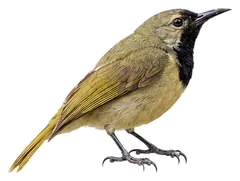 Plain-backed SunbirdAnthreptes reichenowi
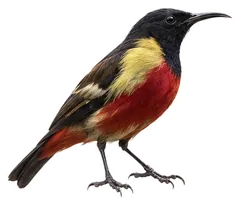 Anchieta's SunbirdAnthreptes anchietae
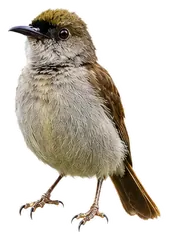 Plain SunbirdAnthreptes simplex
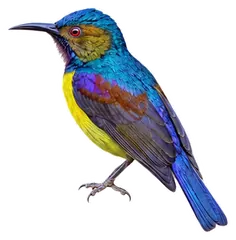 Brown-throated SunbirdAnthreptes malacensis
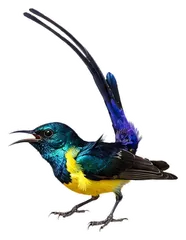
Download illustration
Free to use with credit: “Illustration: Bird Album (birdalbum.com)”. Drawn by AI from a reference photo by Titouan Roguet. ↗
Heard it but can't see it? Mingji identifies birds by sound and photo, on your phone.