 Bird Album
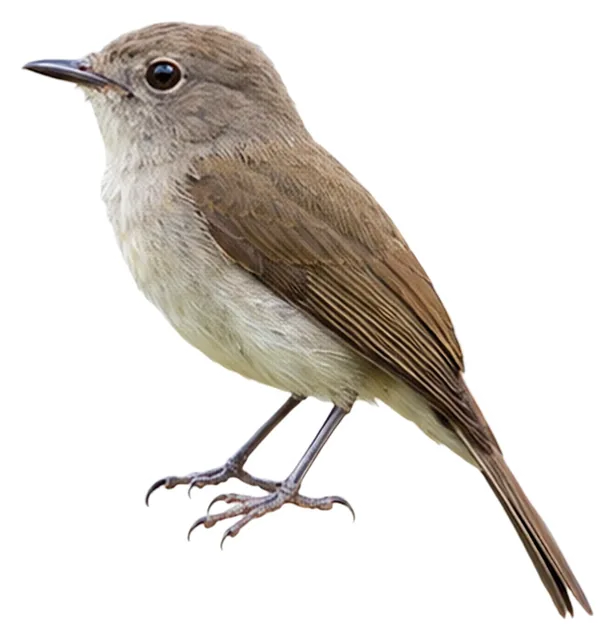
Olivaceous Flycatcher
Fraseria olivascens (Cassin, 1859)
15 gWeight
The name "olivaceous flycatcher" can also refer to the dusky-capped flycatcher (Myiarchus tuberculifer) of the Americas.
Busiest months: November · Most records: Ghana, Côte d’Ivoire, Equatorial Guinea
Where and when it's recorded
Busiest months: November · Most records: Ghana, Côte d’Ivoire, Equatorial Guinea

Olivaceous Flycatcher has been recorded at 19 of the 8,276 birding hotspots we track, in 6 countries and regions.
Records by month Northern Hemisphere
Where it's recorded most
- Kakum NP – CanopyGhana37 records
- Ankasa NPGhana32 records
- Kakum NP – Canopy Walkway & vicinityGhana15 records
More places
- Kakum National ParkGhana13 records
- Bosque Científica – Selva PrimariaEquatorial Guinea11 records
- Taï National ParkCôte d’Ivoire9 records
- Shai Hills Resource ReserveGhana6 records
- Luki Biosphere ReserveCongo - Kinshasa3 records
- Ankasa NP – entrance vicinityGhana3 records
- Yapo and Mambo Forest ReservesCôte d’Ivoire2 records
Countries and regions with the most records
eBird records via GBIF up to 2024-12-31. A record means someone listed it; more records partly mean more birders, not more birds.
About
The name "olivaceous flycatcher" can also refer to the dusky-capped flycatcher (Myiarchus tuberculifer) of the Americas.
Excerpt from Wikipedia, CC BY-SA 4.0 · authors · Read more on Wikipedia
Questions
How big is the Olivaceous Flycatcher?
The Olivaceous Flycatcher weighs around 15 g.
Where does the Olivaceous Flycatcher live?
Its breeding range: Africa: western, central. It is most often recorded in Ghana, Côte d’Ivoire and Equatorial Guinea.
When is the best time to see the Olivaceous Flycatcher?
At the hotspots we track, it is recorded most in November (Northern Hemisphere).
Is the Olivaceous Flycatcher endangered?
The IUCN Red List classifies the Olivaceous Flycatcher as Least Concern.
What does the Olivaceous Flycatcher eat?
Main food: Insects & other invertebrates.
What family is the Olivaceous Flycatcher in?
It belongs to the family Chats, Old World Flycatchers (Muscicapidae), order Passerines (Passeriformes).
At a glance
- Weight
- 15 g
- Habitat
- Forest
- Diet
- Insects & other invertebrates
- Lifestyle
- Perches in trees
- Migration
- Resident (barely migrates)
- Conservation
- Least Concern
More measurements
- Wing
- 72 mm
- Tail
- 62 mm
- Bill
- 13 mm
- Tarsus
- 17 mm
Averages from the AVONET dataset; length from field guides where available.
Range
Africa: western, central
Breeding range, IOC World Bird List 15.2
Classification
- Order
- Passerines Passeriformes
- Family
- Chats, Old World Flycatchers Muscicapidae
- Genus
- Fraseria
Other birds in the genus Fraseria
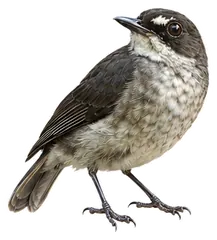 White-browed Forest FlycatcherFraseria cinerascens
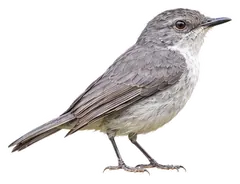 Fraser's Forest FlycatcherFraseria ocreata
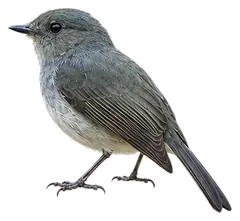 Grey-throated Tit-FlycatcherFraseria griseigularis
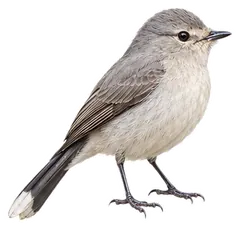 Grey Tit-FlycatcherFraseria plumbea
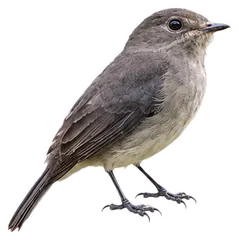 Chapin's FlycatcherFraseria lendu
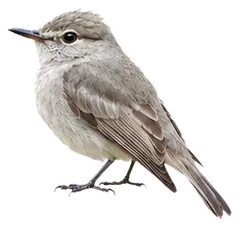 Ashy FlycatcherFraseria caerulescens
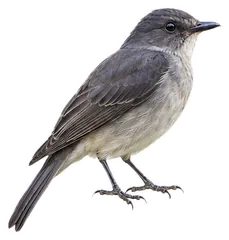 Tessmann's FlycatcherFraseria tessmanni
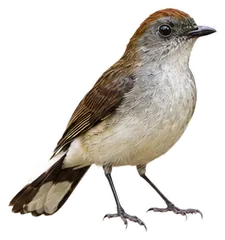 White-tailed AletheAlethe diademata
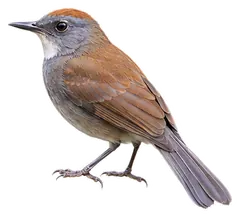 Fire-crested AletheAlethe castanea
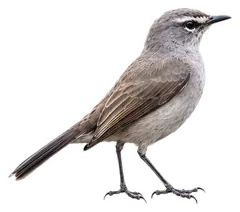 Karoo Scrub RobinTychaedon coryphoeus
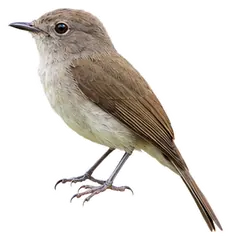
Download illustration
Free to use with credit: “Illustration: Bird Album (birdalbum.com)”. Drawn by AI from a reference photo by Nik Borrow. ↗
Heard it but can't see it? Mingji identifies birds by sound and photo, on your phone.
In other languages
- EnglishOlivaceous Flycatcher
- 简体中文绿鹟
- 繁體中文綠鶲
- 日本語オリーブサメビタキ
- DeutschOlivschnäpper
- FrançaisGobemouche olivâtre
- EspañolPapamoscas oliváceo
- Portuguêspapa-moscas-oliváceo
- ItalianoPigliamosche olivaceo
- NederlandsOlijfgroene Vliegenvanger
- РусскийОливковая мухоловка
- Svenskaolivflugsnappare
- DanskOlivenfluesnapper
- Polskimucharka oliwkowa