 Bird Album
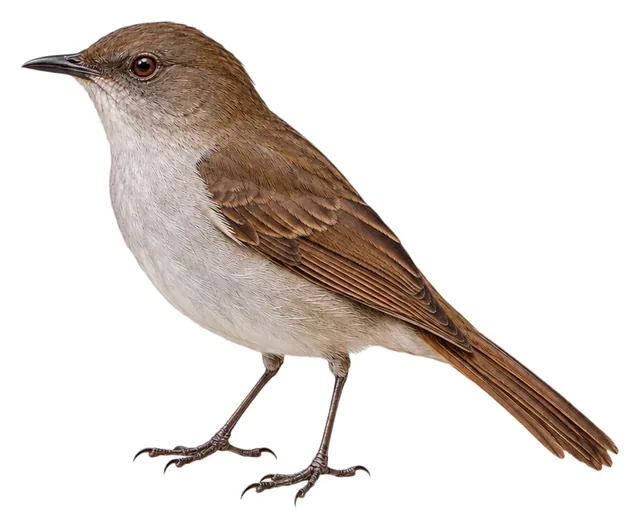
Olomao
Myadestes lanaiensis (Wilson, SB, 1891)
50 gWeight
The olomaʻo (Myadestes lanaiensis) is a small, dark solitaire endemic to Maui, Lānaʻi and Molokaʻi in the Hawaiian Islands.
Where and when it's recorded
No records at the public birding hotspots we track. It may be rare, remote, or its locations protected.
About
The olomaʻo (Myadestes lanaiensis) is a small, dark solitaire endemic to Maui, Lānaʻi and Molokaʻi in the Hawaiian Islands. It is currently listed as Critically Endangered under the IUCN Red List of Threatened Species.
Excerpt from Wikipedia, CC BY-SA 4.0 · authors · Read more on Wikipedia
Questions
How big is the Olomao?
The Olomao weighs around 50 g.
Where does the Olomao live?
Its breeding range: Pacific Ocean: Hawaiian Islands.
Is the Olomao endangered?
The IUCN Red List classifies the Olomao as Critically Endangered.
What does the Olomao eat?
Main food: Fruit.
What family is the Olomao in?
It belongs to the family Thrushes (Turdidae), order Passerines (Passeriformes).
At a glance
- Weight
- 50 g
- Habitat
- Forest
- Diet
- Fruit
- Lifestyle
- Perches in trees
- Migration
- Resident (barely migrates)
- Conservation
- Critically Endangered
More measurements
- Wing
- 90 mm
- Tail
- 75 mm
- Bill
- 20 mm
- Tarsus
- 32 mm
Averages from the AVONET dataset; length from field guides where available.
Range
Pacific Ocean: Hawaiian Islands
Breeding range, IOC World Bird List 15.2
Classification
- Order
- Passerines Passeriformes
- Family
- Thrushes Turdidae
- Genus
- Myadestes
Other birds in the genus Myadestes
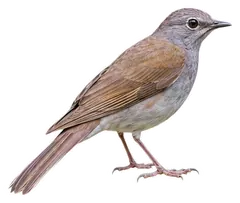 Brown-backed SolitaireMyadestes occidentalis
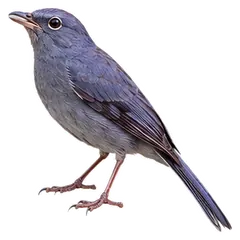 Slate-colored SolitaireMyadestes unicolor
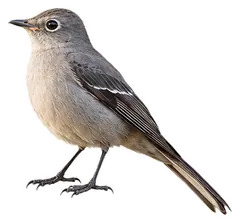 Townsend's SolitaireMyadestes townsendi
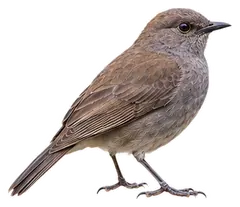 OmaoMyadestes obscurus
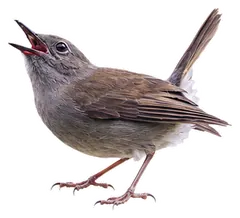 PuaiohiMyadestes palmeri
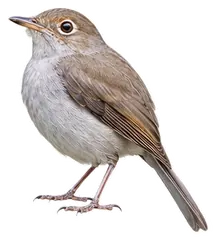 Cuban SolitaireMyadestes elisabeth
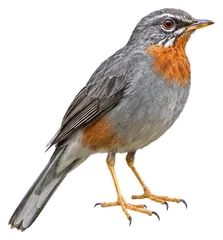 Rufous-throated SolitaireMyadestes genibarbis
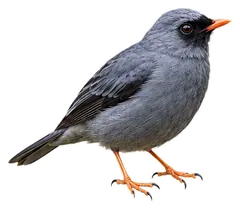 Black-faced SolitaireMyadestes melanops
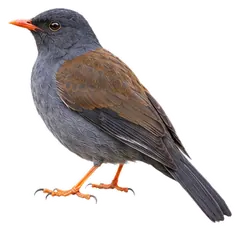 Varied SolitaireMyadestes coloratus
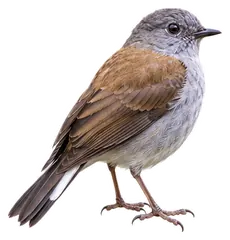 Andean SolitaireMyadestes ralloides
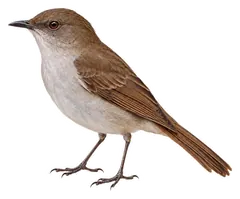
Download illustration
Free to use with credit: “Illustration: Bird Album (birdalbum.com)”. Drawn by AI from reference photos.
Heard it but can't see it? Mingji identifies birds by sound and photo, on your phone.