 Bird Album
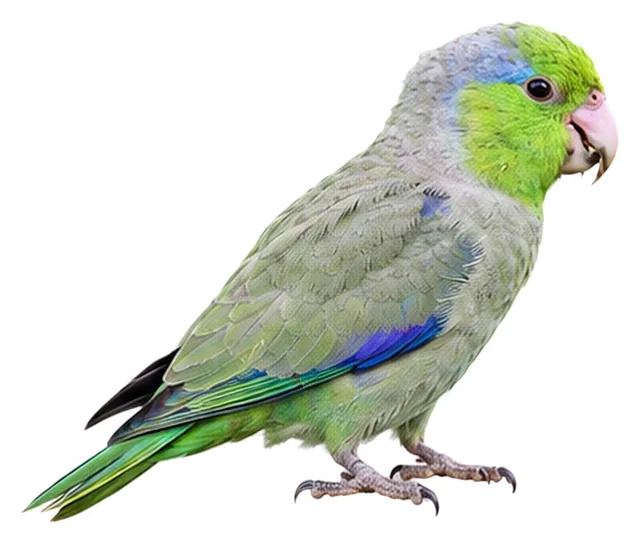
Pacific Parrotlet
Forpus coelestis (Lesson, RP, 1847)
11–14 cmLength26 gWeight
The Pacific parrotlet (Forpus coelestis), also known as Lesson's parrotlet, or the celestial parrotlet, is a species of small parrot in the family Psittacidae.
Busiest months: October and December · Most records: Ecuador, Peru, Colombia
Where and when it's recorded

Pacific Parrotlet has been recorded at 53 of the 8,171 birding hotspots we track, in 3 countries and regions.
Records by month Southern Hemisphere
Where it's recorded most
- Bosque Protector Cerro BlancoEcuador775 records
- Sendero Frutti Tour & BirdwatchingEcuador452 records
- Parque El OlivarPeru428 records
More places
- Rio Silanche Bird SanctuaryEcuador367 records
- Ayampe – Ruta del ColibríEcuador366 records
- Santuario Historico Bosque de PómacPeru340 records
- RE Manglares-Churute – La LagarteraEcuador340 records
- ACP ChaparríPeru334 records
- Río Lurín – DesembocaduraPeru329 records
- Reserva Jorupe y Urraca LodgeEcuador320 records
Countries and regions with the most records
eBird records via GBIF up to 2024-12-31. A record means someone listed it; more records partly mean more birders, not more birds.
About
The Pacific parrotlet (Forpus coelestis), also known as Lesson's parrotlet, or the celestial parrotlet, is a species of small parrot in the family Psittacidae.
Excerpt from Wikipedia, CC BY-SA 4.0 · authors · Read more on Wikipedia
Questions
How big is the Pacific Parrotlet?
The Pacific Parrotlet is about 11–14 cm long and weighs around 26 g.
Where does the Pacific Parrotlet live?
Its breeding range: South America: western Ecuador and northwestern Peru. It is most often recorded in Ecuador, Peru and Colombia.
When is the best time to see the Pacific Parrotlet?
At the hotspots we track, it is recorded most in October and December (Southern Hemisphere).
Is the Pacific Parrotlet endangered?
The IUCN Red List classifies the Pacific Parrotlet as Least Concern.
What does the Pacific Parrotlet eat?
Main food: Omnivore.
What family is the Pacific Parrotlet in?
It belongs to the family African & New World Parrots (Psittacidae), order Parrot (Psittaciformes).
At a glance
- Length
- 11–14 cm
- Weight
- 26 g
- Habitat
- Shrubland
- Diet
- Omnivore
- Lifestyle
- Varied
- Migration
- Resident (barely migrates)
- Conservation
- Least Concern
More measurements
- Wing
- 77 mm
- Tail
- 39 mm
- Bill
- 17 mm
- Tarsus
- 11 mm
Averages from the AVONET dataset; length from field guides where available.
Range
South America: western Ecuador and northwestern Peru
Breeding range, IOC World Bird List 15.2
Classification
- Order
- Parrot Psittaciformes
- Family
- African & New World Parrots Psittacidae
- Genus
- Forpus
Other birds in the genus Forpus
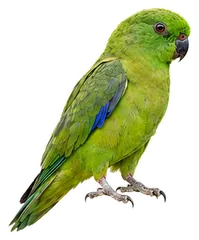 Dusky-billed ParrotletForpus modestus
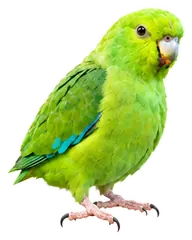 Mexican ParrotletForpus cyanopygius
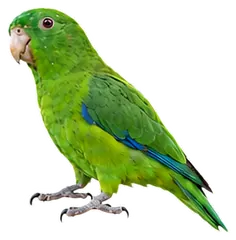 Riparian ParrotletForpus crassirostris
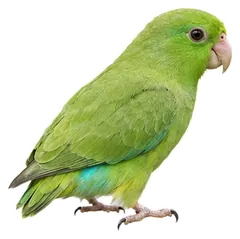 Turquoise-winged ParrotletForpus spengeli
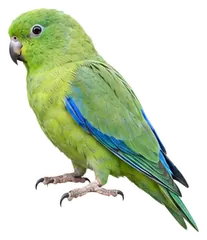 Cobalt-rumped ParrotletForpus xanthopterygius
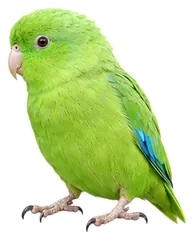 Green-rumped ParrotletForpus passerinus
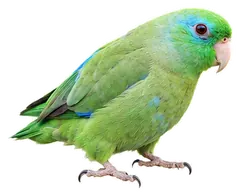 Spectacled ParrotletForpus conspicillatus
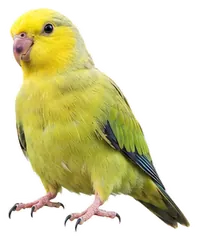 Yellow-faced ParrotletForpus xanthops
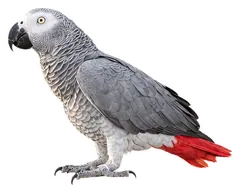 Grey ParrotPsittacus erithacus
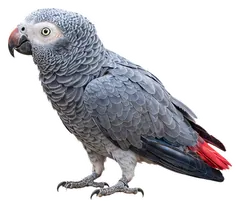 Timneh ParrotPsittacus timneh
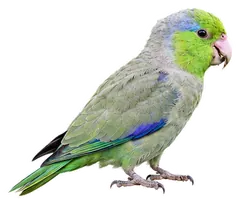
Download illustration
Free to use with credit: “Illustration: Bird Album (birdalbum.com)”. Drawn by AI from a reference photo by Carlos N. G. Bocos. ↗
Heard it but can't see it? Mingji identifies birds by sound and photo, on your phone.
In other languages
- EnglishPacific Parrotlet
- 简体中文太平洋鹦哥
- 繁體中文太平洋鸚哥
- 日本語マメルリハシインコ
- DeutschHimmelsperlingspapagei
- FrançaisToui céleste
- EspañolCotorrita de Piura
- Portuguêstuim-do-pacífico
- ItalianoPappagallino del Pacifico
- NederlandsBlauwe Muspapegaai
- РусскийЗападный воробьиный попугайчик
- Svenskastillahavssparvpapegoja
- DanskSpurvepapegøje
- Polskiwróbliczka zielonolica