 Bird Album
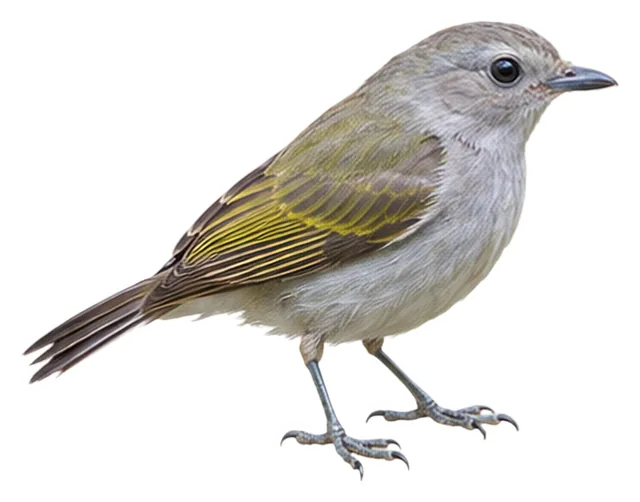
Pallid Honeyguide
Indicator meliphilus (Oberholser, 1905)
14 gWeight
The pallid honeyguide (Indicator meliphilus) is a species of bird in the family Indicatoridae.
Busiest months: October–November · Most records: Kenya, Zimbabwe, Tanzania
Where and when it's recorded
Busiest months: October–November · Most records: Kenya, Zimbabwe, Tanzania

Pallid Honeyguide has been recorded at 47 of the 8,276 birding hotspots we track, in 7 countries and regions.
Records by month Southern Hemisphere
Where it's recorded most
- Arabuko-Sokoke Forest NRKenya99 records
- Aberfoyle LodgeZimbabwe64 records
- East Usambara Mountains – Amani Nature ReserveTanzania26 records
More places
- Nairobi NPKenya23 records
- Katiyo Tea EstateZimbabwe14 records
- Mt. Thyolo – Satemwa Tea EstateMalawi10 records
- Kilimanjaro Golf & Wildlife EstateTanzania10 records
- Nguuni Nature SanctuaryKenya10 records
- Dzalanyama Forest ReserveMalawi9 records
- Arusha NPTanzania9 records
Countries and regions with the most records
eBird records via GBIF up to 2024-12-31. A record means someone listed it; more records partly mean more birders, not more birds.
About
The pallid honeyguide (Indicator meliphilus) is a species of bird in the family Indicatoridae. The species is also known as the eastern least honyeguide.
Excerpt from Wikipedia, CC BY-SA 4.0 · authors · Read more on Wikipedia
Questions
How big is the Pallid Honeyguide?
The Pallid Honeyguide weighs around 14 g.
Where does the Pallid Honeyguide live?
Its breeding range: Africa: eastern, south-central, southeastern. It is most often recorded in Kenya, Zimbabwe and Tanzania.
When is the best time to see the Pallid Honeyguide?
At the hotspots we track, it is recorded most in October and November (Southern Hemisphere).
Is the Pallid Honeyguide endangered?
The IUCN Red List classifies the Pallid Honeyguide as Least Concern.
What does the Pallid Honeyguide eat?
Main food: Insects & other invertebrates.
What family is the Pallid Honeyguide in?
It belongs to the family Honeyguides (Indicatoridae), order Piciformes.
At a glance
- Weight
- 14 g
- Habitat
- Woodland
- Diet
- Insects & other invertebrates
- Lifestyle
- Perches in trees
- Migration
- Resident (barely migrates)
- Conservation
- Least Concern
More measurements
- Wing
- 73 mm
- Tail
- 45 mm
- Bill
- 7 mm
- Tarsus
- 13 mm
Averages from the AVONET dataset; length from field guides where available.
Range
Africa: eastern, south-central, southeastern
Breeding range, IOC World Bird List 15.2
Classification
- Order
- Piciformes
- Family
- Honeyguides Indicatoridae
- Genus
- Indicator
Other birds in the genus Indicator
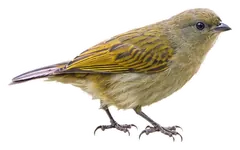 Dwarf HoneyguideIndicator pumilio
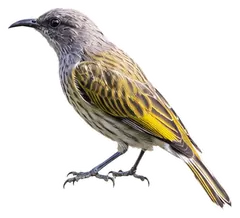 Willcocks's HoneyguideIndicator willcocksi
 Least HoneyguideIndicator exilis
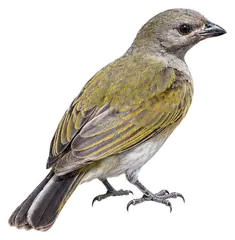 Lesser HoneyguideIndicator minor
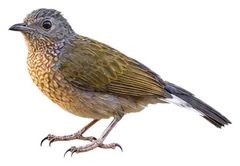 Spotted HoneyguideIndicator maculatus
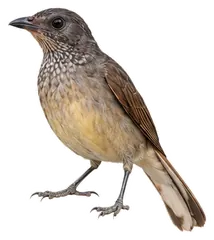 Scaly-throated HoneyguideIndicator variegatus
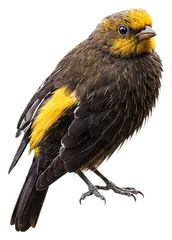 Yellow-rumped HoneyguideIndicator xanthonotus
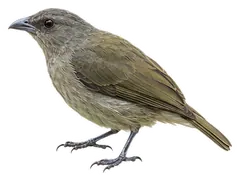 Malaysian HoneyguideIndicator archipelagicus
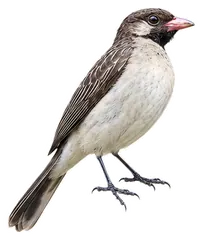 Greater HoneyguideIndicator indicator
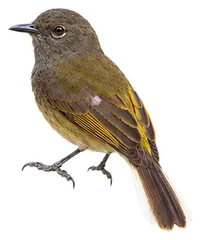 Cassin's HoneybirdProdotiscus insignis
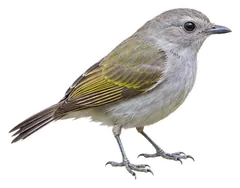
Download illustration
Free to use with credit: “Illustration: Bird Album (birdalbum.com)”. Drawn by AI from a reference photo by Paul Tavares. ↗
Heard it but can't see it? Mingji identifies birds by sound and photo, on your phone.
In other languages
- EnglishPallid Honeyguide
- 简体中文东非响蜜䴕
- 繁體中文東非嚮蜜鴷
- 日本語ヒガシマメミツオシエ
- DeutschTavetahoniganzeiger
- FrançaisIndicateur pâle
- EspañolIndicador pálido
- Portuguêsindicador-pequeno-pálido
- ItalianoIndicatore pallido
- NederlandsBleke Honingspeurder
- РусскийСветлобрюхий медоуказчик
- Svenskablek honungsvisare
- DanskLys Honninggøg
- Polskimiodowód ubogi