 Bird Album
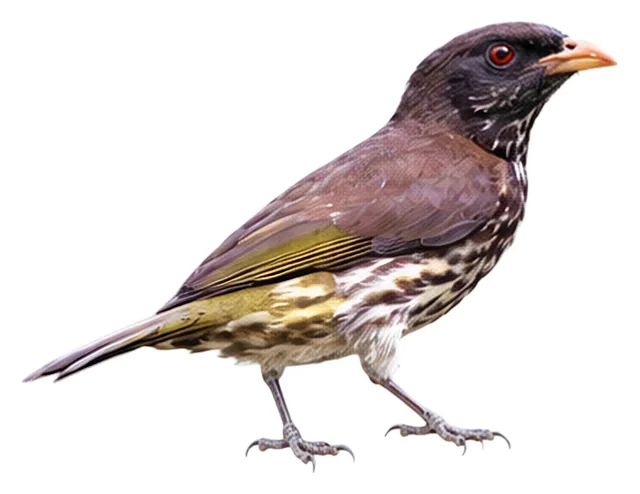
Palmchat
Dulus dominicus (Linnaeus, 1766)
18–20 cmLength48 gWeight
The palmchat (Dulus dominicus) is a medium-sized passerine bird endemic to the Caribbean island of Hispaniola (split between the Dominican Republic and Haiti).
Busiest months: January–March · Most records: Dominican Republic, Haiti
Where and when it's recorded

Palmchat has been recorded at 28 of the 8,171 birding hotspots we track, in 2 countries and regions.
Records by month Northern Hemisphere
Where it's recorded most
- Jardín Botánico NacionalDominican Republic1,010 records
- Paraíso Caño HondoDominican Republic808 records
- Rabo de GatoDominican Republic652 records
More places
- Punta Cana Ecological FoundationDominican Republic358 records
- P.N. del EsteDominican Republic228 records
- Punta Cana Resort and ClubDominican Republic185 records
- P. N. Los HaitisesDominican Republic185 records
- Rancho BaiguateDominican Republic184 records
- Monumento Natural Bahía de las CalderasDominican Republic166 records
- Etang BeauteHaiti68 records
Countries and regions with the most records
eBird records via GBIF up to 2024-12-31. A record means someone listed it; more records partly mean more birders, not more birds.
About
The palmchat (Dulus dominicus) is a medium-sized passerine bird endemic to the Caribbean island of Hispaniola (split between the Dominican Republic and Haiti). It is the only species in the genus Dulus and the family Dulidae, and is related to the waxwing family Bombycillidae and the silky-flycatchers in Ptiliogonatidae. Its name reflects its strong association with palms for feeding, roosting, and nesting.
Excerpt from Wikipedia, CC BY-SA 4.0 · authors · Read more on Wikipedia
Questions
How big is the Palmchat?
The Palmchat is about 18–20 cm long and weighs around 48 g.
Where does the Palmchat live?
Its breeding range: North America: Hispaniola. It is most often recorded in Dominican Republic and Haiti.
When is the best time to see the Palmchat?
At the hotspots we track, it is recorded most in January, February and March (Northern Hemisphere).
Is the Palmchat endangered?
The IUCN Red List classifies the Palmchat as Least Concern.
What does the Palmchat eat?
Main food: Fruit.
What family is the Palmchat in?
It belongs to the family Palmchat (Dulidae), order Passerines (Passeriformes).
At a glance
- Length
- 18–20 cm
- Weight
- 48 g
- Habitat
- Towns & farmland
- Diet
- Fruit
- Lifestyle
- Perches in trees
- Migration
- Resident (barely migrates)
- Conservation
- Least Concern
More measurements
- Wing
- 90 mm
- Tail
- 74 mm
- Bill
- 18 mm
- Tarsus
- 23 mm
Averages from the AVONET dataset; length from field guides where available.
Range
North America: Hispaniola
Breeding range, IOC World Bird List 15.2
Classification
- Order
- Passerines Passeriformes
- Family
- Palmchat Dulidae
- Genus
- Dulus
Download illustration
Free to use with credit: “Illustration: Bird Album (birdalbum.com)”. Drawn by AI from reference photos. ↗
Heard it but can't see it? Mingji identifies birds by sound and photo, on your phone.