 Bird Album
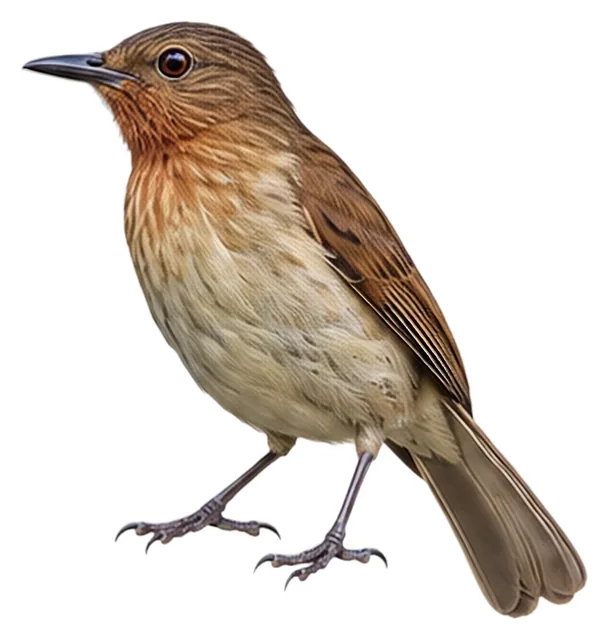
Philippine Bulbul
Hypsipetes philippinus (Forster, JR, 1795)
39 gWeight
The Philippine bulbul (Hypsipetes philippinus) is a songbird species in the bulbul family, Pycnonotidae.
Busiest months: February–March · Most records: Philippines
Where and when it's recorded

Philippine Bulbul has been recorded at 37 of the 8,171 birding hotspots we track, in 1 country or region.
Records by month Northern Hemisphere
Where it's recorded most
- Subic Bay – Nabasan TrailPhilippines683 records
- Jariel's Peak – Restaurant, Bgy. Magsaysay, InfantaPhilippines647 records
- Raja Sikatuna National ParkPhilippines484 records
More places
- Palo Alto, BarasPhilippines419 records
- Lake HolonPhilippines387 records
- Mt. Tagubud, New BataanPhilippines382 records
- Eden Nature Park and Resort, Toril, Davao CityPhilippines335 records
- Mt. Makiling Forest Reserve – TrailPhilippines332 records
- La Mesa Eco Park, Quezon CityPhilippines331 records
- Bislig lowlands – PICOP Road 4Philippines290 records
Countries and regions with the most records
eBird records via GBIF up to 2024-12-31. A record means someone listed it; more records partly mean more birders, not more birds.
About
The Philippine bulbul (Hypsipetes philippinus) is a songbird species in the bulbul family, Pycnonotidae.
Excerpt from Wikipedia, CC BY-SA 4.0 · authors · Read more on Wikipedia
Questions
How big is the Philippine Bulbul?
The Philippine Bulbul weighs around 39 g.
Where does the Philippine Bulbul live?
Its breeding range: Oriental: northern, eastern, southern Philippines. It is most often recorded in Philippines.
When is the best time to see the Philippine Bulbul?
At the hotspots we track, it is recorded most in February and March (Northern Hemisphere).
Is the Philippine Bulbul endangered?
The IUCN Red List classifies the Philippine Bulbul as Least Concern.
What does the Philippine Bulbul eat?
Main food: Fruit.
What family is the Philippine Bulbul in?
It belongs to the family Bulbuls (Pycnonotidae), order Passerines (Passeriformes).
At a glance
- Weight
- 39 g
- Habitat
- Forest
- Diet
- Fruit
- Lifestyle
- Perches in trees
- Migration
- Resident (barely migrates)
- Conservation
- Least Concern
More measurements
- Wing
- 94 mm
- Tail
- 88 mm
- Bill
- 22 mm
- Tarsus
- 19 mm
Averages from the AVONET dataset; length from field guides where available.
Range
Oriental: northern, eastern, southern Philippines
Breeding range, IOC World Bird List 15.2
Classification
- Order
- Passerines Passeriformes
- Family
- Bulbuls Pycnonotidae
- Genus
- Hypsipetes
Other birds in the genus Hypsipetes
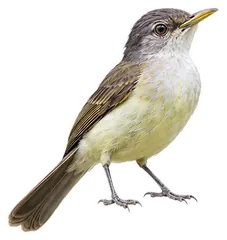 Nicobar BulbulHypsipetes nicobariensis
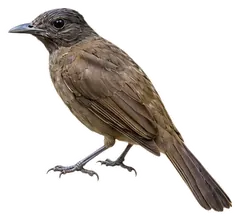 Mindoro BulbulHypsipetes mindorensis
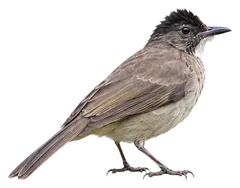 Streak-breasted BulbulHypsipetes siquijorensis
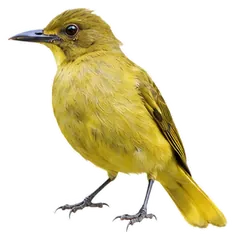 Seram Golden BulbulHypsipetes affinis
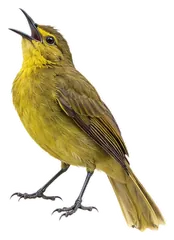 Sangihe Golden BulbulHypsipetes platenae
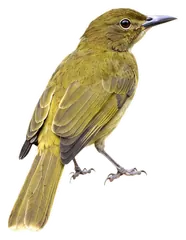 Togian Golden BulbulHypsipetes aureus
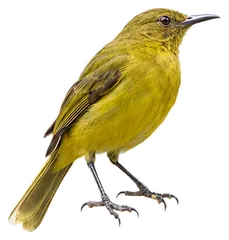 Banggai Golden BulbulHypsipetes harterti
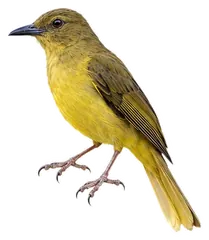 Sula Golden BulbulHypsipetes longirostris
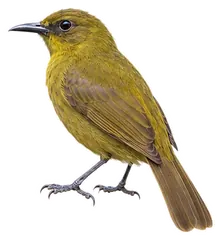 Halmahera Golden BulbulHypsipetes chloris
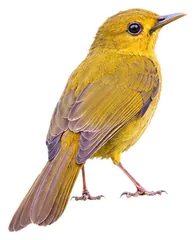 Obi Golden BulbulHypsipetes lucasi
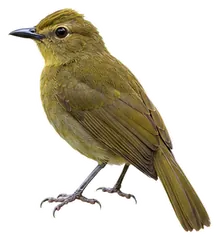 Buru Golden BulbulHypsipetes mysticalis
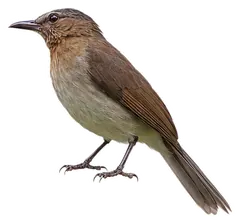 Visayan BulbulHypsipetes guimarasensis
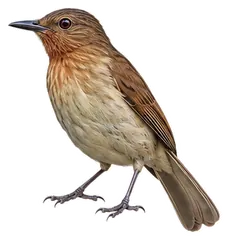
Download illustration
Free to use with credit: “Illustration: Bird Album (birdalbum.com)”. Drawn by AI from a reference photo by Вадим Ивушкин. ↗
Heard it but can't see it? Mingji identifies birds by sound and photo, on your phone.
In other languages
- EnglishPhilippine Bulbul
- 简体中文菲律宾短脚鹎
- 繁體中文赤胸短腳鵯
- 日本語チャムネヒヨドリ
- DeutschRostbrustbülbül
- FrançaisBulbul des Philippines
- EspañolBulbul filipino
- Portuguêsbulbul-filipino
- ItalianoBulbul delle Filippine
- NederlandsRoodborstbuulbuul
- РусскийФилиппинский бюльбюль
- Svenskafilippinbulbyl
- DanskFilippinerbulbul
- Polskiszczeciak rdzawopierśny