 Bird Album
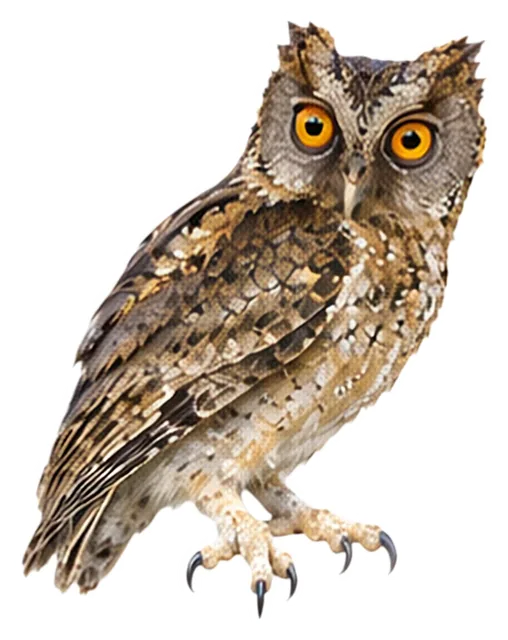
Philippine Scops Owl
Otus megalotis (Walden, 1875)
178 gWeight
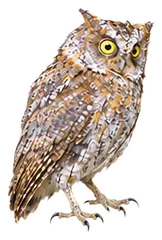
The Philippine scops owl (Otus megalotis), also Luzon lowland scops owl is a common owl, endemic to the Philippines, belonging to the family of the typical owls Strigidae.
Busiest months: February–March · Most records: Philippines
Where and when it's recorded

Philippine Scops Owl has been recorded at 17 of the 8,171 birding hotspots we track, in 1 country or region.
Records by month Northern Hemisphere
Where it's recorded most
- Subic Bay – Nabasan TrailPhilippines160 records
- UP Diliman – CampusPhilippines121 records
- Subic BayPhilippines75 records
More places
- Mt. Makiling Forest Reserve – TrailPhilippines66 records
- Jariel's Peak – Restaurant, Bgy. Magsaysay, InfantaPhilippines63 records
- Mt. Makiling Forest Reserve – TREESPhilippines34 records
- Mt. PolisPhilippines34 records
- Subic Bay – Hill 394 roadPhilippines27 records
- Makiling Botanic Garden, Los BañosPhilippines11 records
- Palo Alto, BarasPhilippines9 records
Countries and regions with the most records
eBird records via GBIF up to 2024-12-31. A record means someone listed it; more records partly mean more birders, not more birds.
About
The Philippine scops owl (Otus megalotis), also Luzon lowland scops owl is a common owl, endemic to the Philippines, belonging to the family of the typical owls Strigidae. Other common names include "Otus Whitehead", "Whitehead scops owl" and "Luzon lowland scops owl". Everett's scops owl (O. everetti) and Negros scops owls (O. nigrorum) were formerly considered conspecific but are now classified as separate species.
Excerpt from Wikipedia, CC BY-SA 4.0 · authors · Read more on Wikipedia
Questions
How big is the Philippine Scops Owl?
The Philippine Scops Owl weighs around 178 g.
Where does the Philippine Scops Owl live?
Its breeding range: Oriental: Luzon, Catanduanes and Marinduque (northern Philippines). It is most often recorded in Philippines.
When is the best time to see the Philippine Scops Owl?
At the hotspots we track, it is recorded most in February and March (Northern Hemisphere).
Is the Philippine Scops Owl endangered?
The IUCN Red List classifies the Philippine Scops Owl as Least Concern.
What does the Philippine Scops Owl eat?
Main food: Insects & other invertebrates.
What family is the Philippine Scops Owl in?
It belongs to the family Owls (Strigidae), order Strigiformes.
At a glance
- Weight
- 178 g
- Habitat
- Forest
- Diet
- Insects & other invertebrates
- Lifestyle
- Perches in trees
- Migration
- Resident (barely migrates)
- Conservation
- Least Concern
More measurements
- Wing
- 179 mm
- Tail
- 86 mm
- Bill
- 25 mm
- Tarsus
- 40 mm
Averages from the AVONET dataset; length from field guides where available.
Range
Oriental: Luzon, Catanduanes and Marinduque (northern Philippines)
Breeding range, IOC World Bird List 15.2
Classification
- Order
- Strigiformes
- Family
- Owls Strigidae
- Genus
- Otus
Other birds in the genus Otus
 Giant Scops OwlOtus gurneyi
 White-fronted Scops OwlOtus sagittatus
 Reddish Scops OwlOtus rufescens
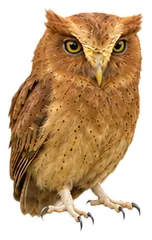 Serendib Scops OwlOtus thilohoffmanni
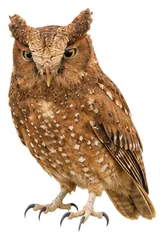 Sandy Scops OwlOtus icterorhynchus
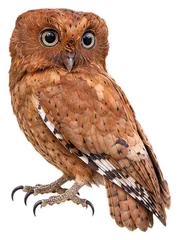 Sokoke Scops OwlOtus ireneae
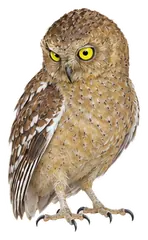 Andaman Scops OwlOtus balli
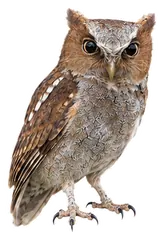 Flores Scops OwlOtus alfredi
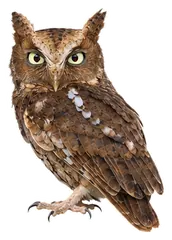 Mountain Scops OwlOtus spilocephalus
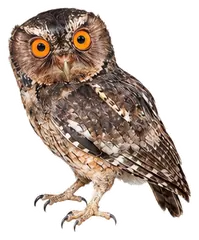 Javan Scops OwlOtus angelinae
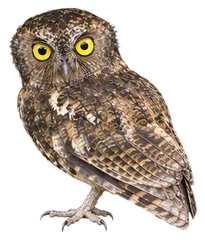 Mindanao Scops OwlOtus mirus
 Luzon Scops OwlOtus longicornis
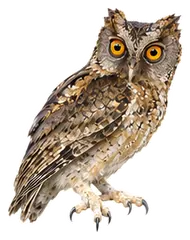
Download illustration
Free to use with credit: “Illustration: Bird Album (birdalbum.com)”. Drawn by AI from a reference photo by hokoonwong. ↗
Heard it but can't see it? Mingji identifies birds by sound and photo, on your phone.
In other languages
- EnglishPhilippine Scops Owl
- 简体中文菲律宾角鸮
- 繁體中文菲律賓角鴞
- 日本語ルソンオオコノハズク
- DeutschPhilippinen-Zwergohreule
- FrançaisPetit-duc de Luçon
- EspañolAutillo orejudo de Luzón
- Portuguêsmocho-de-orelhas-grande-de-lução
- ItalianoAssiolo delle Filippine
- NederlandsFilipijnse Dwergooruil
- РусскийФилиппинская совка
- Svenskanordlig filippindvärguv
- DanskFilippinsk Dværghornugle
- Polskisyczek duży