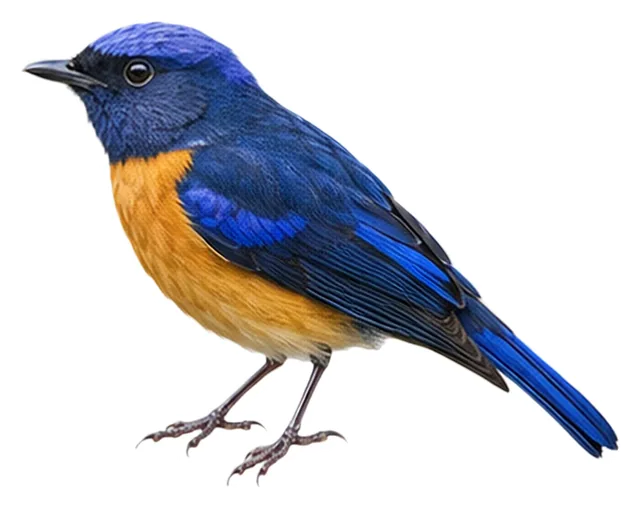
Rufous-bellied Niltava
Niltava sundara Hodgson, 1837
≈16 cmLength21 gWeight
The male of this large, stout, brightly colored flycatcher has blue upperparts that may look black in dim light.
Busiest months: February · Most records: India, Thailand, China
How to identify
Field marks
- Head rounded
- Tail relatively short
- Base of the bill broad
- Male upperparts blue, possibly appearing black in dim light
Where and when it's recorded
Busiest months: February · Most records: India, Thailand, China

Rufous-bellied Niltava has been recorded at 272 of the 8,276 birding hotspots we track, in 9 countries and regions.
Records by month Northern Hemisphere
Where it's recorded most
- Wildlife Institute of IndiaIndia649 records
- Doi Pha Hom Pok NP – Doi Lang (W), AKA Doi San JuThailand564 records
- SattalIndia524 records
More places
- Forest Research Institute (FRI), New Forest CampusIndia271 records
- Munsyari – Bheema WodeyarIndia268 records
- Mahananda WLS – Rongtong and Shivakhola ForestIndia262 records
- Wildlife Institute of India (WII) – Nature Trail & LakeIndia262 records
- Doi Pha Hom Pok NP – Doi Lang (W) level part / "Oasis"Thailand255 records
- Mahananda WLS – LatpancharIndia235 records
- PangotIndia221 records
Countries and regions with the most records
eBird records via GBIF up to 2024-12-31. A record means someone listed it; more records partly mean more birders, not more birds.
Questions
How big is the Rufous-bellied Niltava?
The Rufous-bellied Niltava is about ≈16 cm long and weighs around 21 g.
Where does the Rufous-bellied Niltava live?
Its breeding range: Oriental: Himalayas to Thailand. It is most often recorded in India, Thailand and China.
When is the best time to see the Rufous-bellied Niltava?
At the hotspots we track, it is recorded most in February (Northern Hemisphere).
Is the Rufous-bellied Niltava endangered?
The IUCN Red List classifies the Rufous-bellied Niltava as Least Concern.
What does the Rufous-bellied Niltava eat?
Main food: Insects & other invertebrates.
What family is the Rufous-bellied Niltava in?
It belongs to the family Chats, Old World Flycatchers (Muscicapidae), order Passerines (Passeriformes).
At a glance
- Length
- ≈16 cm
- Weight
- 21 g
- Habitat
- Forest
- Diet
- Insects & other invertebrates
- Lifestyle
- Perches in trees
- Migration
- Migratory
- Conservation
- Least Concern
More measurements
- Wing
- 82 mm
- Tail
- 68 mm
- Bill
- 16 mm
- Tarsus
- 20 mm
Averages from the AVONET dataset; length from field guides where available.
Range
Oriental: Himalayas to Thailand
Breeding range, IOC World Bird List 15.2
Subspecies · 2
- Niltava sundara sundara c, e Himalayas to sw China and c Myanmar
- Niltava sundara denotata s China and e Myanmar
Classification
- Order
- Passerines Passeriformes
- Family
- Chats, Old World Flycatchers Muscicapidae
- Genus
- Niltava
Other birds in the genus Niltava
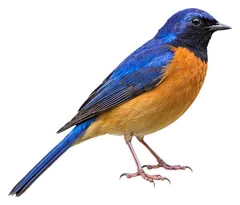 Fujian NiltavaNiltava davidi
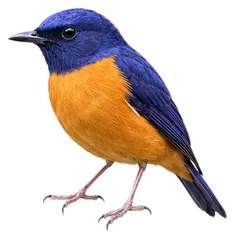 Rufous-vented NiltavaNiltava sumatrana
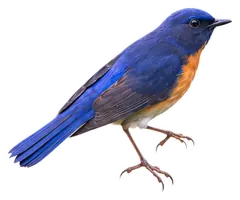 Chinese Vivid NiltavaNiltava oatesi
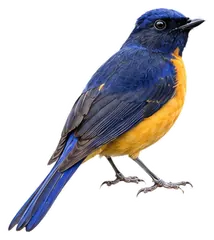 Taiwan Vivid NiltavaNiltava vivida
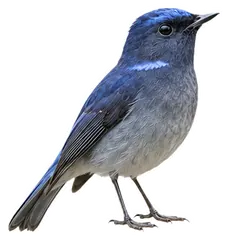 Small NiltavaNiltava macgrigoriae
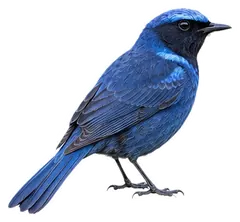 Large NiltavaNiltava grandis
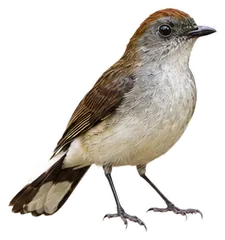 White-tailed AletheAlethe diademata
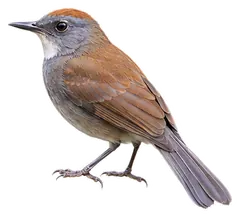 Fire-crested AletheAlethe castanea
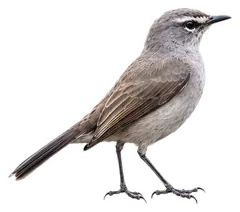 Karoo Scrub RobinTychaedon coryphoeus
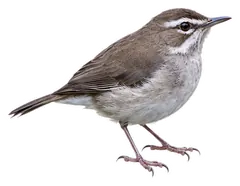 Brown Scrub RobinTychaedon signata
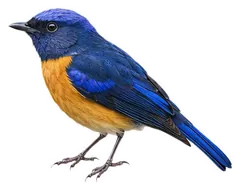
Download illustration
Free to use with credit: “Illustration: Bird Album (birdalbum.com)”. Drawn by AI from a reference photo by Dibyendu Ash. ↗

Heard it but can't see it? Mingji identifies birds by sound and photo, on your phone.
In other languages
- EnglishRufous-bellied Niltava
- 简体中文棕腹仙鹟
- 繁體中文棕腹仙鶲
- 日本語コチャバラオオルリ
- DeutschRotbauch-Blauschnäpper
- FrançaisGobemouche sundara
- EspañolPapamoscas sundara
- Portuguêsniltava-brilhante
- ItalianoNiltava panciarossiccia
- NederlandsRoodbuikniltava
- РусскийРыжебрюхая нильтава
- Svenskapraktniltava
- DanskOrangebuget Niltava
- Polskiniltawa rudobrzucha