 Bird Album
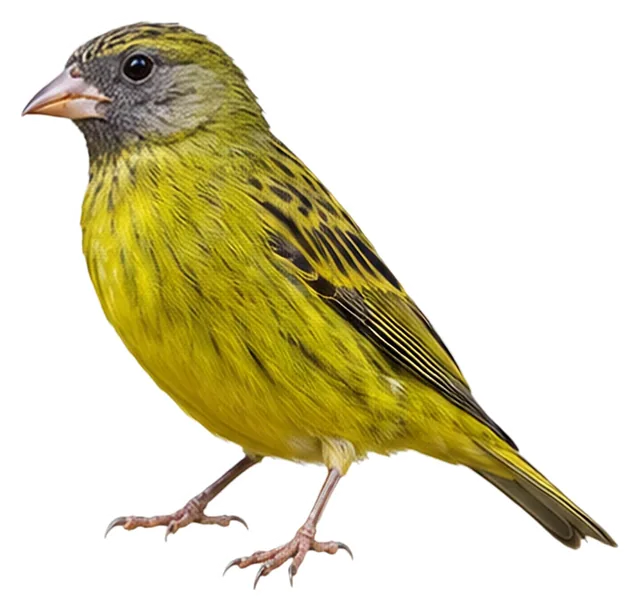
Southern Citril
Crithagra hyposticta (Reichenow, 1904)
13 gWeight
The southern citril (Crithagra hyposticta or Serinus hyposticus) is a species of finch in the Fringillidae family.
Busiest months: November · Most records: Tanzania, Kenya, Malawi
Where and when it's recorded

Southern Citril has been recorded at 46 of the 8,171 birding hotspots we track, in 3 countries and regions.
Records by month Southern Hemisphere
Where it's recorded most
- Aga Khan University – Loilenok Hills and FieldsTanzania257 records
- Ngorongoro Conservation Area – Ngorongoro CraterTanzania192 records
- East Usambara Mountains – Amani Nature ReserveTanzania182 records
More places
- Arusha NPTanzania134 records
- Mandegee FarmKenya123 records
- Gibbs FarmTanzania119 records
- West Usambara Mountains – Old Sawmill TrackTanzania101 records
- Ngorongoro Conservation Area – Ngorongoro Serena Safari LodgeTanzania71 records
- Kakamega Forest NRKenya70 records
- Batini near USA RiverTanzania59 records
Countries and regions with the most records
eBird records via GBIF up to 2024-12-31. A record means someone listed it; more records partly mean more birders, not more birds.
About
The southern citril (Crithagra hyposticta or Serinus hyposticus) is a species of finch in the Fringillidae family. It is endemic to the eastern Afromontane.
Excerpt from Wikipedia, CC BY-SA 4.0 · authors · Read more on Wikipedia
Questions
How big is the Southern Citril?
The Southern Citril weighs around 13 g.
Where does the Southern Citril live?
Its breeding range: Africa: eastern, southeastern. It is most often recorded in Tanzania, Kenya and Malawi.
When is the best time to see the Southern Citril?
At the hotspots we track, it is recorded most in November (Southern Hemisphere).
Is the Southern Citril endangered?
The IUCN Red List classifies the Southern Citril as Least Concern.
What does the Southern Citril eat?
Main food: Seeds.
What family is the Southern Citril in?
It belongs to the family Finches, Euphonias (Fringillidae), order Passerines (Passeriformes).
At a glance
- Weight
- 13 g
- Habitat
- Forest
- Diet
- Seeds
- Lifestyle
- Varied
- Migration
- Resident (barely migrates)
- Conservation
- Least Concern
More measurements
- Wing
- 64 mm
- Tail
- 48 mm
- Bill
- 13 mm
- Tarsus
- 14 mm
Averages from the AVONET dataset; length from field guides where available.
Range
Africa: eastern, southeastern
Breeding range, IOC World Bird List 15.2
Classification
- Order
- Passerines Passeriformes
- Family
- Finches, Euphonias Fringillidae
- Genus
- Crithagra
Other birds in the genus Crithagra
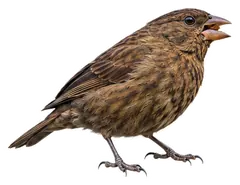 Principe SeedeaterCrithagra rufobrunnea
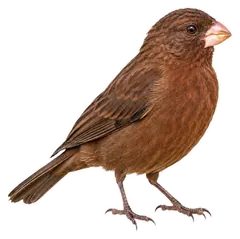 Sao Tome GrosbeakCrithagra concolor
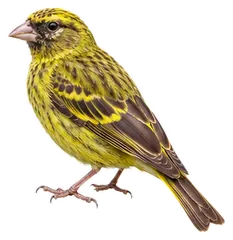 African CitrilCrithagra citrinelloides
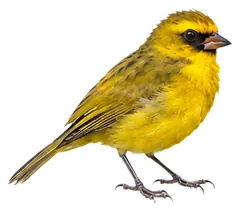 Western CitrilCrithagra frontalis
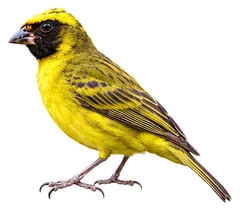 Black-faced CanaryCrithagra capistrata
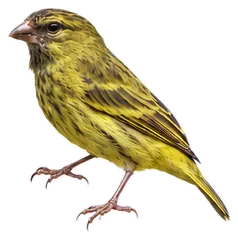 Papyrus CanaryCrithagra koliensis
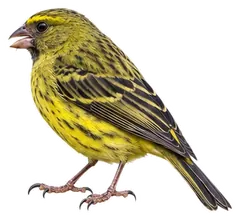 Forest CanaryCrithagra scotops
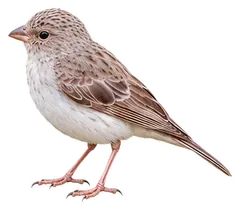 White-rumped SeedeaterCrithagra leucopygia
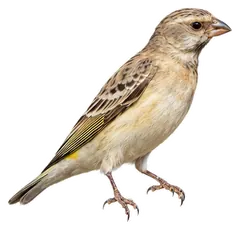 Black-throated CanaryCrithagra atrogularis
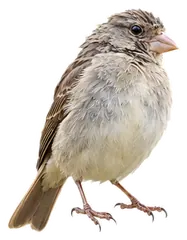 Yellow-rumped SeedeaterCrithagra xanthopygia
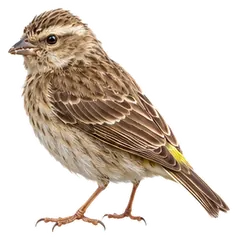 Reichenow's SeedeaterCrithagra reichenowi
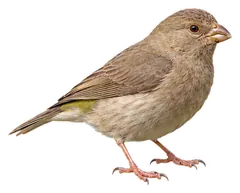 Arabian SerinCrithagra rothschildi
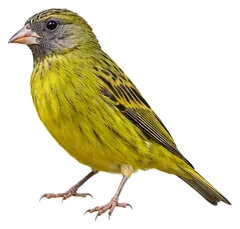
Download illustration
Free to use with credit: “Illustration: Bird Album (birdalbum.com)”. Drawn by AI from a reference photo by Nik Borrow. ↗
Heard it but can't see it? Mingji identifies birds by sound and photo, on your phone.
In other languages
- EnglishSouthern Citril
- 简体中文东非丝雀
- 繁體中文南方絲雀
- 日本語ヒガシムナフヒワ
- DeutschStreifengirlitz
- FrançaisSerin est-africain
- EspañolSerín keniata
- Portuguêscanário-do-sul
- ItalianoVenturone meridionale
- NederlandsGestreepte Dunbekkanarie
- РусскийОливковый канареечник
- Svenskagråkindad siska
- DanskGråkindet Sisken
- Polskiafrokulczyk ciemnolicy