 Bird Album
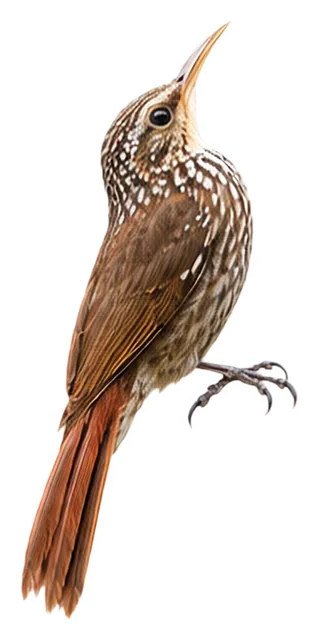
Spot-crowned Woodcreeper
Lepidocolaptes affinis (Lafresnaye, 1839)
19–22 cmLength35 gWeight
The spot-crowned woodcreeper (Lepidocolaptes affinis), is a passerine bird in the subfamily Dendrocolaptinae of the ovenbird family Furnariidae. it is found in Middle America from Mexico to Panama.
Busiest months: March · Most records: Costa Rica, Guatemala, Panama
Where and when it's recorded

Spot-crowned Woodcreeper has been recorded at 68 of the 8,171 birding hotspots we track, in 7 countries and regions.
Records by month Northern Hemisphere
Where it's recorded most
- Savegre HotelCosta Rica2,891 records
- Savegre Mt. Lodge – primary forest trails above lodgeCosta Rica1,734 records
- San Gerardo de DotaCosta Rica1,075 records
More places
- Mount Totumas Cloud Forest ReservePanama672 records
- Paraiso Quetzal Lodge - Km 70Costa Rica632 records
- Reserva de la Biosfera El Triunfo – Campamento El TriunfoMexico552 records
- Cloudbridge Nature ReserveCosta Rica464 records
- PN Los Volcanes – Sector Cerro VerdeEl Salvador376 records
- Mirador Rey TepepulGuatemala370 records
- RNP Ranchitos del QuetzalGuatemala356 records
Countries and regions with the most records
eBird records via GBIF up to 2024-12-31. A record means someone listed it; more records partly mean more birders, not more birds.
About
The spot-crowned woodcreeper (Lepidocolaptes affinis), is a passerine bird in the subfamily Dendrocolaptinae of the ovenbird family Furnariidae. it is found in Middle America from Mexico to Panama.
Excerpt from Wikipedia, CC BY-SA 4.0 · authors · Read more on Wikipedia
Questions
How big is the Spot-crowned Woodcreeper?
The Spot-crowned Woodcreeper is about 19–22 cm long and weighs around 35 g.
Where does the Spot-crowned Woodcreeper live?
Its breeding range: Middle America: northeastern Mexico to western Panama. It is most often recorded in Costa Rica, Guatemala and Panama.
When is the best time to see the Spot-crowned Woodcreeper?
At the hotspots we track, it is recorded most in March (Northern Hemisphere).
Is the Spot-crowned Woodcreeper endangered?
The IUCN Red List classifies the Spot-crowned Woodcreeper as Least Concern.
What does the Spot-crowned Woodcreeper eat?
Main food: Insects & other invertebrates.
What family is the Spot-crowned Woodcreeper in?
It belongs to the family Ovenbirds (Furnariidae), order Passerines (Passeriformes).
At a glance
- Length
- 19–22 cm
- Weight
- 35 g
- Habitat
- Forest
- Diet
- Insects & other invertebrates
- Lifestyle
- Perches in trees
- Migration
- Resident (barely migrates)
- Conservation
- Least Concern
More measurements
- Wing
- 108 mm
- Tail
- 101 mm
- Bill
- 31 mm
- Tarsus
- 21 mm
Averages from the AVONET dataset; length from field guides where available.
Range
Middle America: northeastern Mexico to western Panama
Breeding range, IOC World Bird List 15.2
Classification
- Order
- Passerines Passeriformes
- Family
- Ovenbirds Furnariidae
- Genus
- Lepidocolaptes
Other birds in the genus Lepidocolaptes
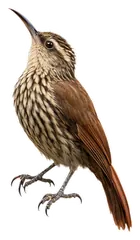 White-striped WoodcreeperLepidocolaptes leucogaster
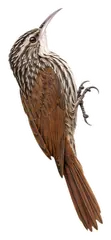 Streak-headed WoodcreeperLepidocolaptes souleyetii
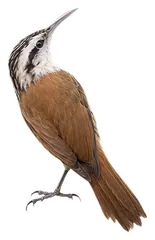 Narrow-billed WoodcreeperLepidocolaptes angustirostris
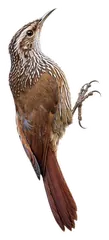 Montane WoodcreeperLepidocolaptes lacrymiger
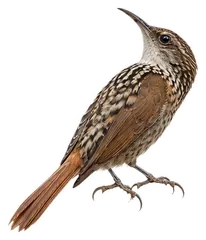 Scaled WoodcreeperLepidocolaptes squamatus
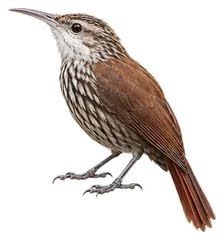 Scalloped WoodcreeperLepidocolaptes falcinellus
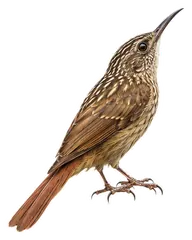 Guianan WoodcreeperLepidocolaptes albolineatus
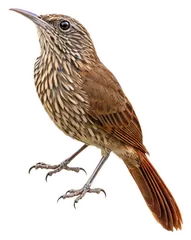 Duida WoodcreeperLepidocolaptes duidae
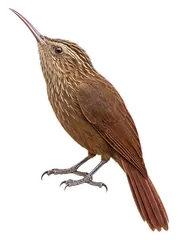 Inambari WoodcreeperLepidocolaptes fatimalimae
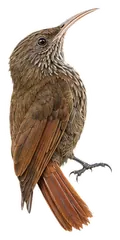 Dusky-capped WoodcreeperLepidocolaptes fuscicapillus
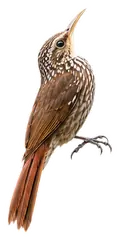
Download illustration
Free to use with credit: “Illustration: Bird Album (birdalbum.com)”. Drawn by AI from a reference photo by Marc Faucher. ↗
Heard it but can't see it? Mingji identifies birds by sound and photo, on your phone.
In other languages
- EnglishSpot-crowned Woodcreeper
- 简体中文斑顶䴕雀
- 繁體中文點冠爬木雀
- 日本語ホシガシラオニキバシリ
- DeutschPerlkappen-Baumsteiger
- FrançaisGrimpar moucheté
- EspañolTrepatroncos coronipunteado norteño
- Portuguêsarapaçu-de-cabeça-pontilhada
- ItalianoRampicatore capomacchiato
- NederlandsVlekkruinmuisspecht
- РусскийЖемчужноголовый древолаз
- Svenskafläckkronad trädklättrare
- DanskPletkronet Trækryber
- Polskidrzewiarz perełkowany