 Bird Album
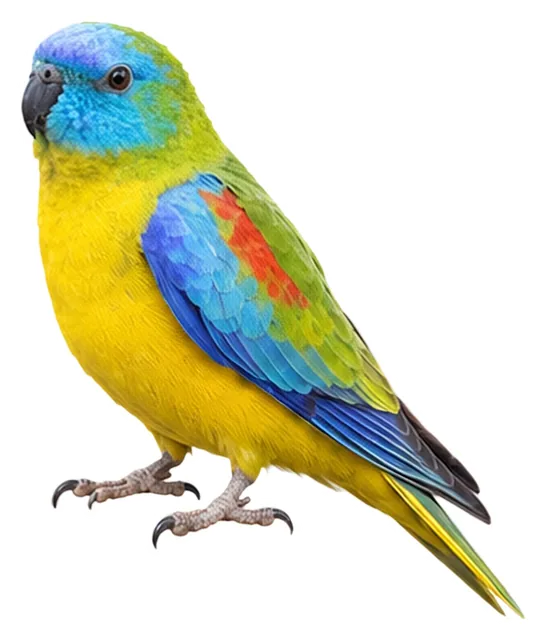
Turquoise Parrot
Neophema pulchella (Shaw, 1792)
20 cmLength41 gWeight
The turquoise parrot (Neophema pulchella) is a species of parrot in the genus Neophema native to eastern Australia, from south-eastern Queensland, through New South Wales and into north-eastern Victoria.
Busiest months: September–October · Most records: Australia
Where and when it's recorded

Turquoise Parrot has been recorded at 21 of the 8,171 birding hotspots we track, in 1 country or region.
Records by month Southern Hemisphere
Where it's recorded most
- Chiltern-Mt Pilot National Park – Bartleys BlockAustralia387 records
- Chiltern-Mt Pilot National Park – ChilternAustralia248 records
- Hamilton ParkAustralia215 records
More places
- Capertee ValleyAustralia122 records
- Jerrabomberra Wetlands Nature ReserveAustralia22 records
- Bunyip State ParkAustralia12 records
- Penrith Weir ReserveAustralia10 records
- Mosquito Creek RdAustralia8 records
- Eastlakes golf courseAustralia7 records
- Lake Samsonvale – Postmans TrackAustralia6 records
Countries and regions with the most records
eBird records via GBIF up to 2024-12-31. A record means someone listed it; more records partly mean more birders, not more birds.
About
The turquoise parrot (Neophema pulchella) is a species of parrot in the genus Neophema native to eastern Australia, from south-eastern Queensland, through New South Wales and into north-eastern Victoria. It was described by George Shaw in 1792. The male is predominantly green with more yellowish underparts and a bright turquoise blue face.
Excerpt from Wikipedia, CC BY-SA 4.0 · authors · Read more on Wikipedia
Questions
How big is the Turquoise Parrot?
The Turquoise Parrot is about 20 cm long and weighs around 41 g.
Where does the Turquoise Parrot live?
Its breeding range: Australasia: southeastern Queensland to eastern Victoria (southeastern Australia). It is most often recorded in Australia.
When is the best time to see the Turquoise Parrot?
At the hotspots we track, it is recorded most in September and October (Southern Hemisphere).
Is the Turquoise Parrot endangered?
The IUCN Red List classifies the Turquoise Parrot as Least Concern.
What does the Turquoise Parrot eat?
Main food: Omnivore.
What family is the Turquoise Parrot in?
It belongs to the family Old World Parrots (Psittaculidae), order Parrot (Psittaciformes).
At a glance
- Length
- 20 cm
- Weight
- 41 g
- Habitat
- Forest
- Diet
- Omnivore
- Lifestyle
- Perches in trees
- Migration
- Resident (barely migrates)
- Conservation
- Least Concern
More measurements
- Wing
- 109 mm
- Tail
- 98 mm
- Bill
- 13 mm
- Tarsus
- 14 mm
Averages from the AVONET dataset; length from field guides where available.
Range
Australasia: southeastern Queensland to eastern Victoria (southeastern Australia)
Breeding range, IOC World Bird List 15.2
Classification
- Order
- Parrot Psittaciformes
- Family
- Old World Parrots Psittaculidae
- Genus
- Neophema
Other birds in the genus Neophema
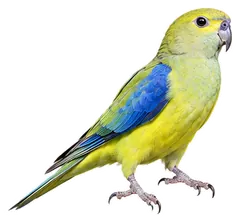 Blue-winged ParrotNeophema chrysostoma
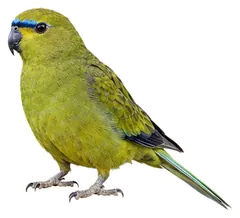 Elegant ParrotNeophema elegans
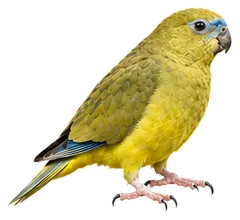 Rock ParrotNeophema petrophila
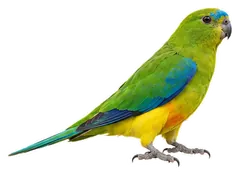 Orange-bellied ParrotNeophema chrysogaster
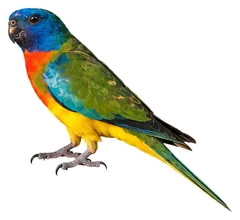 Scarlet-chested ParrotNeophema splendida
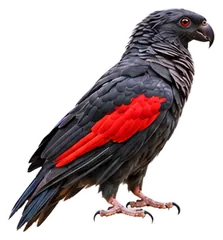 Pesquet's ParrotPsittrichas fulgidus
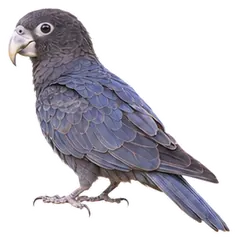 Greater Vasa ParrotCoracopsis vasa
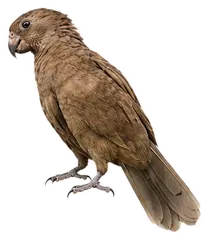 Seychelles Black ParrotCoracopsis barklyi
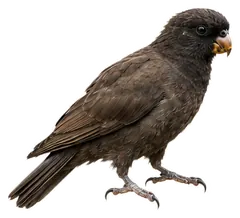 Comoro Black ParrotCoracopsis sibilans
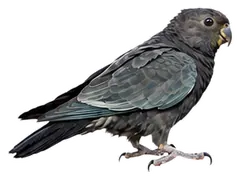 Lesser Vasa ParrotCoracopsis nigra
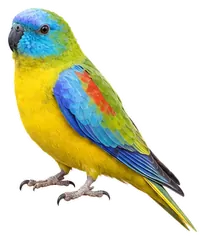
Download illustration
Free to use with credit: “Illustration: Bird Album (birdalbum.com)”. Drawn by AI from a reference photo by David McCorquodale. ↗
Heard it but can't see it? Mingji identifies birds by sound and photo, on your phone.
In other languages
- EnglishTurquoise Parrot
- 简体中文绿宝石鹦鹉
- 繁體中文青綠鸚鵡
- 日本語キキョウインコ
- DeutschSchönsittich
- FrançaisPerruche turquoisine
- EspañolPeriquito turquesa
- Portuguêsperiquito-turquesa
- ItalianoPappagallo turchese
- NederlandsTurkooisparkiet
- РусскийЛазурный травяной попугайчик
- Svenskapraktparakit
- DanskRødskuldret Græsparakit
- Polskiłąkówka turkusowa