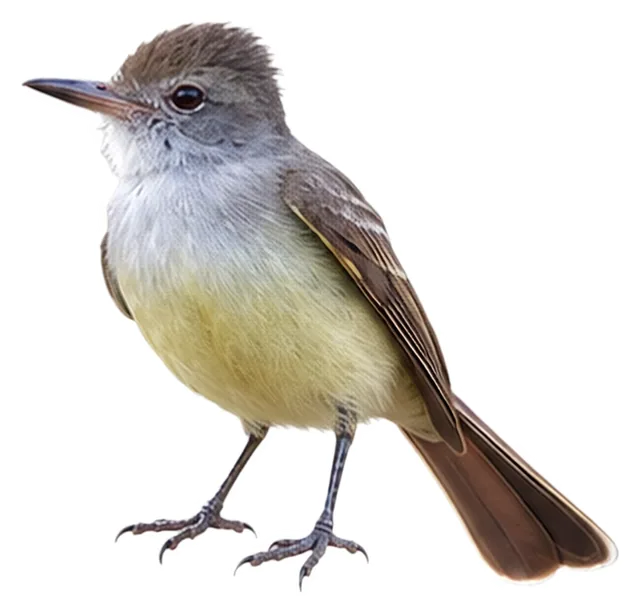
Venezuelan Flycatcher
Myiarchus venezuelensis Lawrence, 1865
18–19 cmLength30 gWeight
The Venezuelan flycatcher (Myiarchus venezuelensis) is a passerine bird in the family Tyrannidae, the tyrant flycatchers.
Busiest months: January and March · Most records: Trinidad & Tobago, Venezuela, Colombia
Where and when it's recorded
Busiest months: January and March · Most records: Trinidad & Tobago, Venezuela, Colombia

Venezuelan Flycatcher has been recorded at 37 of the 8,276 birding hotspots we track, in 3 countries and regions.
Records by month Northern Hemisphere
Where it's recorded most
- Tobago Forest Reserve – Gilpin TraceTrinidad & Tobago248 records
- Main Ridge Forest ReserveTrinidad & Tobago201 records
- Cuffie River Nature RetreatTrinidad & Tobago200 records
More places
- CaicaguanaVenezuela92 records
- SFF Los Flamencos – Resguardo Perratpu/Boca de CamaronesColombia47 records
- Hato PiñeroVenezuela44 records
- Hato El CedralVenezuela44 records
- Posada Siete MaresVenezuela43 records
- SFF Los Flamencos – Ciénaga del Navío QuebradoColombia38 records
- Via Parque Isla de Salamanca – Centro Administrativo Los CocosColombia38 records
Countries and regions with the most records
eBird records via GBIF up to 2024-12-31. A record means someone listed it; more records partly mean more birders, not more birds.
About
The Venezuelan flycatcher (Myiarchus venezuelensis) is a passerine bird in the family Tyrannidae, the tyrant flycatchers. It is found in Colombia, Venezuela, and on Tobago.
Excerpt from Wikipedia, CC BY-SA 4.0 · authors · Read more on Wikipedia
Questions
How big is the Venezuelan Flycatcher?
The Venezuelan Flycatcher is about 18–19 cm long and weighs around 30 g.
Where does the Venezuelan Flycatcher live?
Its breeding range: South America: northern Colombia and northern Venezuela. It is most often recorded in Trinidad & Tobago, Venezuela and Colombia.
When is the best time to see the Venezuelan Flycatcher?
At the hotspots we track, it is recorded most in January and March (Northern Hemisphere).
Is the Venezuelan Flycatcher endangered?
The IUCN Red List classifies the Venezuelan Flycatcher as Least Concern.
What does the Venezuelan Flycatcher eat?
Main food: Insects & other invertebrates.
What family is the Venezuelan Flycatcher in?
It belongs to the family Tyrant Flycatchers, Calyptura (Tyrannidae), order Passerines (Passeriformes).
At a glance
- Length
- 18–19 cm
- Weight
- 30 g
- Habitat
- Forest
- Diet
- Insects & other invertebrates
- Lifestyle
- Perches in trees
- Migration
- Resident (barely migrates)
- Conservation
- Least Concern
More measurements
- Wing
- 91 mm
- Tail
- 89 mm
- Bill
- 21 mm
- Tarsus
- 20 mm
Averages from the AVONET dataset; length from field guides where available.
Range
South America: northern Colombia and northern Venezuela
Breeding range, IOC World Bird List 15.2
Classification
- Order
- Passerines Passeriformes
- Family
- Tyrant Flycatchers, Calyptura Tyrannidae
- Genus
- Myiarchus
Other birds in the genus Myiarchus
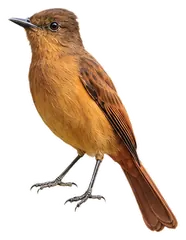 Rufous FlycatcherMyiarchus semirufus
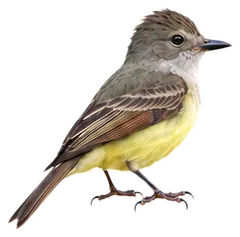 Yucatan FlycatcherMyiarchus yucatanensis
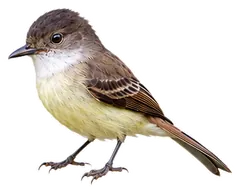 Sad FlycatcherMyiarchus barbirostris
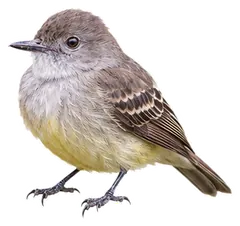 Dusky-capped FlycatcherMyiarchus tuberculifer
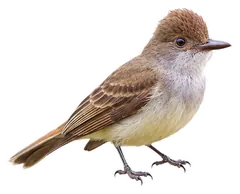 Swainson's FlycatcherMyiarchus swainsoni
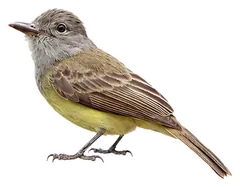 Panama FlycatcherMyiarchus panamensis
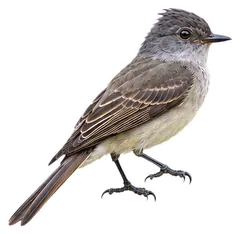 Short-crested FlycatcherMyiarchus ferox
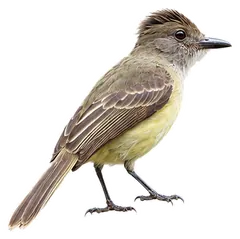 Apical FlycatcherMyiarchus apicalis
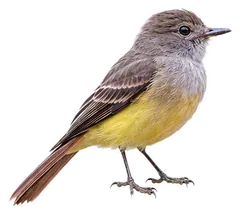 Pale-edged FlycatcherMyiarchus cephalotes
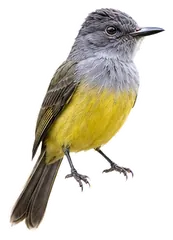 Sooty-crowned FlycatcherMyiarchus phaeocephalus
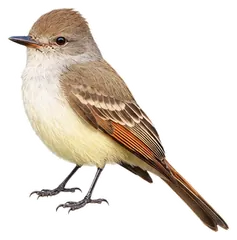 Ash-throated FlycatcherMyiarchus cinerascens
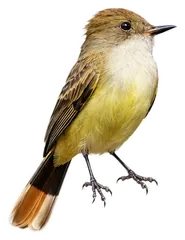 Nutting's FlycatcherMyiarchus nuttingi
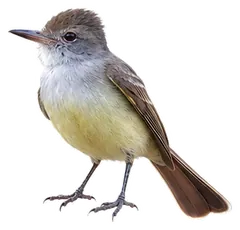
Download illustration
Free to use with credit: “Illustration: Bird Album (birdalbum.com)”. Drawn by AI from a reference photo by cotinga. ↗
Heard it but can't see it? Mingji identifies birds by sound and photo, on your phone.
In other languages
- EnglishVenezuelan Flycatcher
- 简体中文委内瑞拉蝇霸鹟
- 繁體中文委內瑞拉蠅霸鶲
- 日本語ベネズエラヒタキモドキ
- DeutschVenezuelaschopftyrann
- FrançaisTyran du Venezuela
- EspañolCopetón venezolano
- Portuguêsmaria-cavaleira-venezuelana
- ItalianoPigliamosche del Venezuela
- NederlandsVenezuelatiran
- РусскийВенесуэльский миарх
- Svenskavenezuelatopptyrann
- DanskVenezuela Skovtyran
- Polskimuchołap wenezuelski