 Bird Album
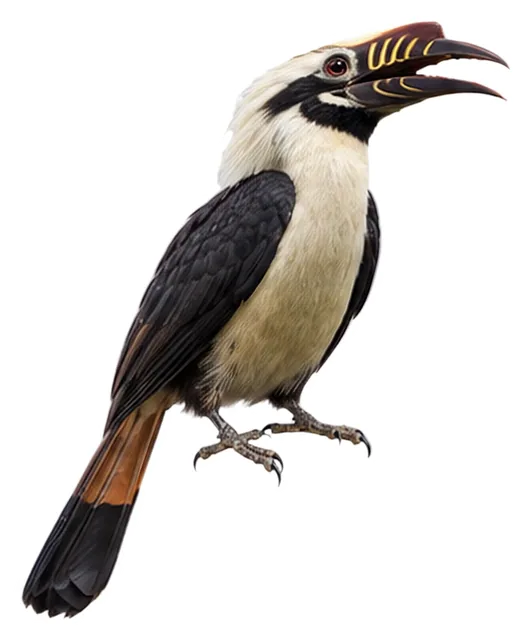
Visayan Hornbill
Penelopides panini (Boddaert, 1783)
470 gWeight
Busiest months: February · Most records: Philippines
Where and when it's recorded

Visayan Hornbill has been recorded at 2 of the 8,171 birding hotspots we track, in 1 country or region.
Records by month Northern Hemisphere
Where it's recorded most
- Balinsasayao Twin Lakes Natural Park, SibulanPhilippines205 records
- Mt. Makiling Forest Reserve – TrailPhilippines1 record
Countries and regions with the most records
eBird records via GBIF up to 2024-12-31. A record means someone listed it; more records partly mean more birders, not more birds.
About
The Visayan hornbill (Penelopides panini) is a hornbill found in tropical moist lowland forests of the Philippines in the Western Visayas region which includes the islands of Panay, Negros and formerly as well as the island of Masbate, and formerly Ticao, in the Philippines. As is the case with all five Philippine tarictic hornbills, formerly considered to be just one species, it is declining due to habitat destruction, hunting and the illegal wildlife trade.
Excerpt from Wikipedia, CC BY-SA 4.0 · authors · Read more on Wikipedia
Questions
How big is the Visayan Hornbill?
The Visayan Hornbill weighs around 470 g.
Where does the Visayan Hornbill live?
Its breeding range: Oriental: West Visayas (west-central Philippines). It is most often recorded in Philippines.
When is the best time to see the Visayan Hornbill?
At the hotspots we track, it is recorded most in February (Northern Hemisphere).
Is the Visayan Hornbill endangered?
The IUCN Red List classifies the Visayan Hornbill as Endangered.
What does the Visayan Hornbill eat?
Main food: Fruit.
What family is the Visayan Hornbill in?
It belongs to the family Hornbills (Bucerotidae), order Bucerotiformes.
At a glance
- Weight
- 470 g
- Habitat
- Forest
- Diet
- Fruit
- Lifestyle
- Perches in trees
- Migration
- Resident (barely migrates)
- Conservation
- Endangered
More measurements
- Wing
- 257 mm
- Tail
- 236 mm
- Bill
- 102 mm
- Tarsus
- 46 mm
Averages from the AVONET dataset; length from field guides where available.
Range
Oriental: West Visayas (west-central Philippines)
Breeding range, IOC World Bird List 15.2
Classification
- Order
- Bucerotiformes
- Family
- Hornbills Bucerotidae
- Genus
- Penelopides
Other birds in the genus Penelopides
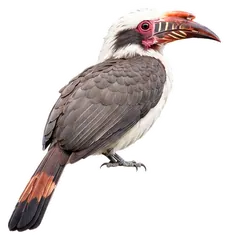 Luzon HornbillPenelopides manillae
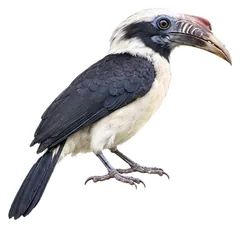 Mindoro HornbillPenelopides mindorensis
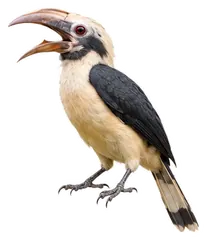 Mindanao HornbillPenelopides affinis
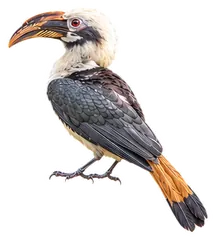 Samar HornbillPenelopides samarensis
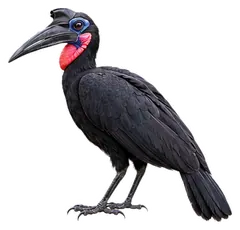 Abyssinian Ground HornbillBucorvus abyssinicus
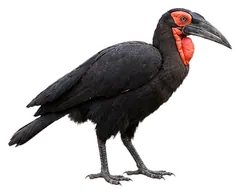 Southern Ground HornbillBucorvus leadbeateri
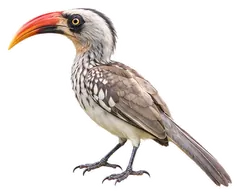 Tanzanian Red-billed HornbillTockus ruahae
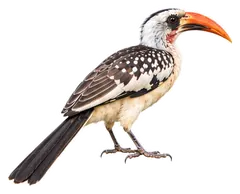 Western Red-billed HornbillTockus kempi
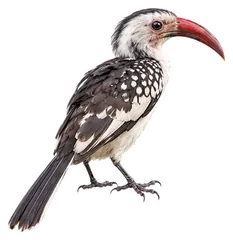 Damara Red-billed HornbillTockus damarensis
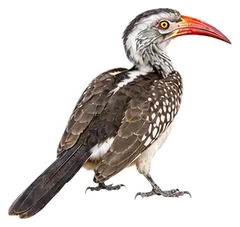 Southern Red-billed HornbillTockus rufirostris
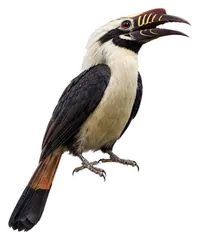
Download illustration
Free to use with credit: “Illustration: Bird Album (birdalbum.com)”. Drawn by AI from a reference photo by Ben Costamagna. ↗
Heard it but can't see it? Mingji identifies birds by sound and photo, on your phone.
In other languages
- EnglishVisayan Hornbill
- 简体中文棕尾犀鸟
- 繁體中文棕尾斑嘴犀鳥
- 日本語カオグロサイチョウ
- DeutschVisayashornvogel
- FrançaisCalao tarictic
- EspañolCálao chico de Panay
- Portuguêscalau-das-vissaias
- ItalianoBucero delle Visayas
- NederlandsVisayaneushoornvogel
- РусскийРыжехвостый калао
- Svenskavisayanäshornsfågel
- DanskPanayhornfugl
- Polskidzioborożec maskowy