 Bird Album
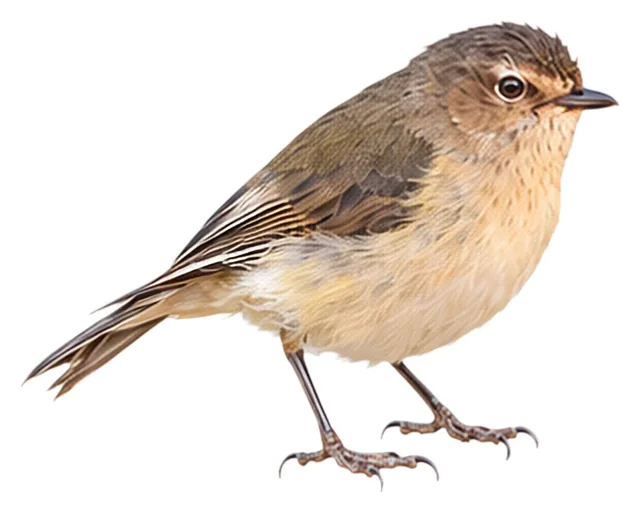
Weebill
Smicrornis brevirostris (Gould, 1838)
5.3 gWeight
The weebill (Smicrornis brevirostris) is a species of bird in the family Acanthizidae.
Busiest months: September–October · Most records: Australia
Where and when it's recorded

Weebill has been recorded at 126 of the 8,171 birding hotspots we track, in 1 country or region.
Records by month Southern Hemisphere
Where it's recorded most
- Mt Ainslie Nature Reserve – Campbell ParkAustralia2,075 records
- Jerrabomberra Wetlands Nature ReserveAustralia1,672 records
- Gemmill Swamp Wildlife ReserveAustralia1,613 records
More places
- Bowra Wildlife SanctuaryAustralia1,327 records
- Crusoe Reservoir and No. 7 ParkAustralia1,044 records
- Herdsman LakeAustralia898 records
- Callum Brae Nature ReserveAustralia847 records
- Woodlands Historic ParkAustralia846 records
- Gluepot ReserveAustralia831 records
- Victoria Dam – Access road, track and picnic areaAustralia784 records
Countries and regions with the most records
eBird records via GBIF up to 2024-12-31. A record means someone listed it; more records partly mean more birders, not more birds.
About
The weebill (Smicrornis brevirostris) is a species of bird in the family Acanthizidae. It is an insectivorous passerine that is found throughout mainland Australia. At 8 to 9 cm (3.1 to 3.5 in) long, it is Australia's smallest bird.
Excerpt from Wikipedia, CC BY-SA 4.0 · authors · Read more on Wikipedia
Questions
How big is the Weebill?
The Weebill weighs around 5.3 g.
Where does the Weebill live?
Its breeding range: Australasia: Australia (except Tasmania). It is most often recorded in Australia.
When is the best time to see the Weebill?
At the hotspots we track, it is recorded most in September and October (Southern Hemisphere).
Is the Weebill endangered?
The IUCN Red List classifies the Weebill as Least Concern.
What does the Weebill eat?
Main food: Insects & other invertebrates.
What family is the Weebill in?
It belongs to the family Australasian Warblers (Acanthizidae), order Passerines (Passeriformes).
At a glance
- Weight
- 5.3 g
- Habitat
- Woodland
- Diet
- Insects & other invertebrates
- Lifestyle
- Perches in trees
- Migration
- Resident (barely migrates)
- Conservation
- Least Concern
More measurements
- Wing
- 50 mm
- Tail
- 34 mm
- Bill
- 8 mm
- Tarsus
- 16 mm
Averages from the AVONET dataset; length from field guides where available.
Range
Australasia: Australia (except Tasmania)
Breeding range, IOC World Bird List 15.2
Classification
- Order
- Passerines Passeriformes
- Family
- Australasian Warblers Acanthizidae
- Genus
- Smicrornis
More from the family Australasian Warblers
 GoldenfacePachycare flavogriseum
 FernwrenOreoscopus gutturalis
 PilotbirdPycnoptilus floccosus
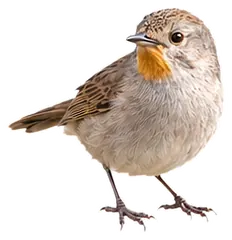 RedthroatPyrrholaemus brunneus
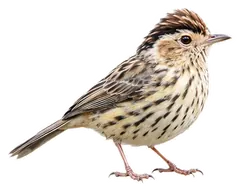 Speckled WarblerPyrrholaemus sagittatus
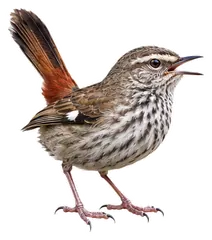 Shy HeathwrenHylacola cauta
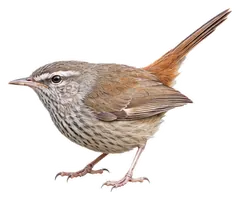 Chestnut-rumped HeathwrenHylacola pyrrhopygia
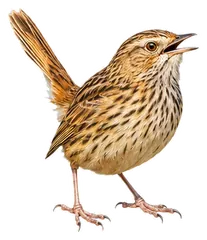 Striated FieldwrenCalamanthus fuliginosus
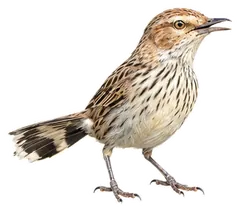 Rufous FieldwrenCalamanthus campestris
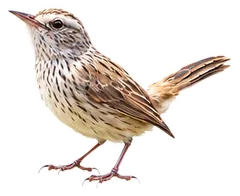 Western FieldwrenCalamanthus montanellus
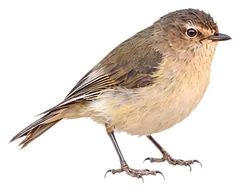
Download illustration
Free to use with credit: “Illustration: Bird Album (birdalbum.com)”. Drawn by AI from a reference photo by anthonypaul. ↗
Heard it but can't see it? Mingji identifies birds by sound and photo, on your phone.