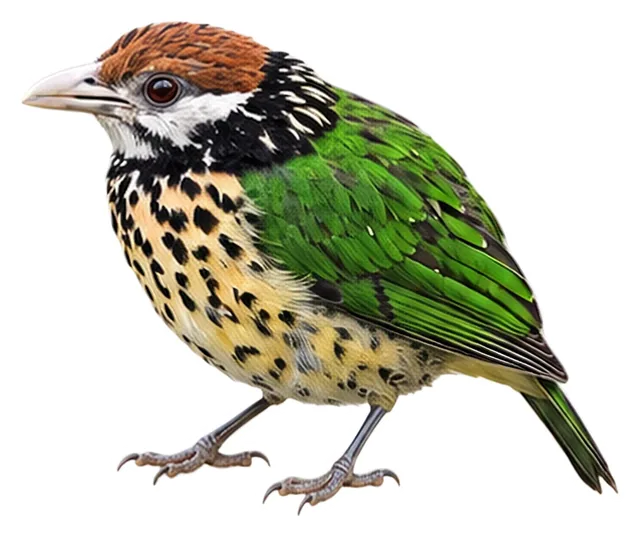
White-eared Catbird
Ailuroedus buccoides (Temminck, 1836)
138 gWeight
The white-eared catbird (Ailuroedus buccoides) is a species of bird in the family Ptilonorhynchidae found on New Guinea and the West Papuan Islands.
Busiest months: November · Most records: Indonesia, Papua New Guinea
Where and when it's recorded
Busiest months: November · Most records: Indonesia, Papua New Guinea

White-eared Catbird has been recorded at 10 of the 8,276 birding hotspots we track, in 2 countries and regions.
Records by month Southern Hemisphere
Where it's recorded most
- MalagufukIndonesia18 records
- Malagufuk villageIndonesia15 records
- West Waigeo birding roadIndonesia14 records
More places
- NimbokrangIndonesia8 records
- Nimbokrang – Jalan Korea swamp forestIndonesia7 records
- West Waigeo forest - Red and Wilson's BOP sites areaIndonesia5 records
- Alex Waisimon's PropertyIndonesia3 records
- Varirata National ParkPapua New Guinea2 records
- Nimbokrang – KM 8Indonesia1 record
- Minggre Birdwatching HomestayIndonesia1 record
Countries and regions with the most records
eBird records via GBIF up to 2024-12-31. A record means someone listed it; more records partly mean more birders, not more birds.
About
The white-eared catbird (Ailuroedus buccoides) is a species of bird in the family Ptilonorhynchidae found on New Guinea and the West Papuan Islands. Its natural habitats are subtropical or tropical dry forest and subtropical or tropical moist lowland forest.
Excerpt from Wikipedia, CC BY-SA 4.0 · authors · Read more on Wikipedia
Questions
How big is the White-eared Catbird?
The White-eared Catbird weighs around 138 g.
Where does the White-eared Catbird live?
Its breeding range: Australasia: Raja Ampat Islands (northwest of New Guinea), Bird's Head and Neck (northwestern New Guinea) to far west-central New Guinea. It is most often recorded in Indonesia and Papua New Guinea.
When is the best time to see the White-eared Catbird?
At the hotspots we track, it is recorded most in November (Southern Hemisphere).
Is the White-eared Catbird endangered?
The IUCN Red List classifies the White-eared Catbird as Least Concern.
What does the White-eared Catbird eat?
Main food: Omnivore.
What family is the White-eared Catbird in?
It belongs to the family Bowerbirds (Ptilonorhynchidae), order Passerines (Passeriformes).
At a glance
- Weight
- 138 g
- Habitat
- Forest
- Diet
- Omnivore
- Lifestyle
- Perches in trees
- Migration
- Resident (barely migrates)
- Conservation
- Least Concern
More measurements
- Wing
- 130 mm
- Tail
- 89 mm
- Bill
- 29 mm
- Tarsus
- 38 mm
Averages from the AVONET dataset; length from field guides where available.
Range
Australasia: Raja Ampat Islands (northwest of New Guinea), Bird's Head and Neck (northwestern New Guinea) to far west-central New Guinea
Breeding range, IOC World Bird List 15.2
Classification
- Order
- Passerines Passeriformes
- Family
- Bowerbirds Ptilonorhynchidae
- Genus
- Ailuroedus
Other birds in the genus Ailuroedus
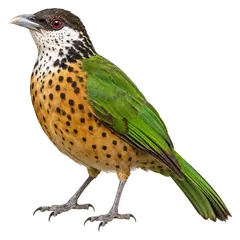 Ochre-breasted CatbirdAiluroedus stonii
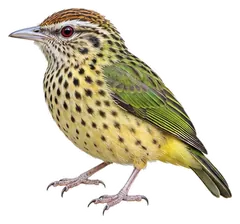 Tan-capped CatbirdAiluroedus geislerorum
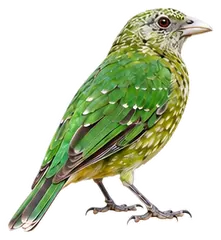 Green CatbirdAiluroedus crassirostris
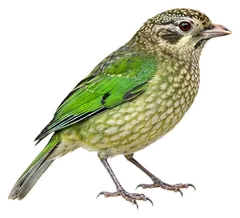 Spotted CatbirdAiluroedus maculosus
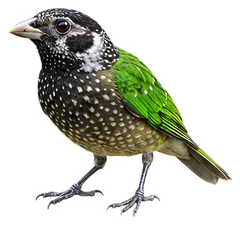 Black-eared CatbirdAiluroedus melanotis
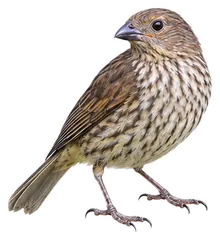 Tooth-billed BowerbirdScenopoeetes dentirostris
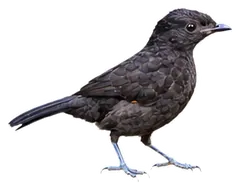 Archbold's BowerbirdArchboldia papuensis
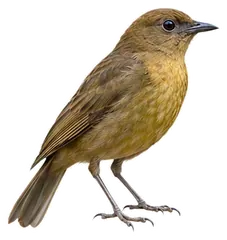 Vogelkop BowerbirdAmblyornis inornata
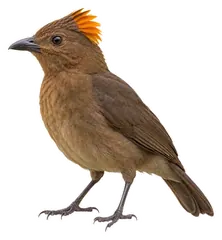 MacGregor's BowerbirdAmblyornis macgregoriae
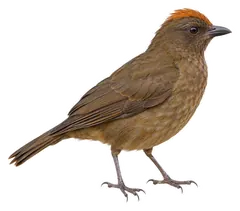 Huon BowerbirdAmblyornis germanus
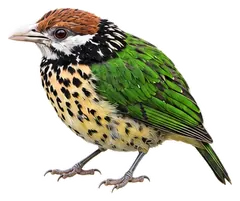
Download illustration
Free to use with credit: “Illustration: Bird Album (birdalbum.com)”. Drawn by AI from a reference photo by brian fisher. ↗
Heard it but can't see it? Mingji identifies birds by sound and photo, on your phone.
In other languages
- EnglishWhite-eared Catbird
- 简体中文白耳园丁鸟
- 繁體中文白耳貓鳥
- 日本語ミミジロネコドリ
- DeutschWeißohr-Laubenvogel
- FrançaisJardinier à joues blanches
- EspañolMaullador cariblanco
- Portuguêsmiador-de-faces-brancas
- ItalianoUccello gatto guancebianche
- NederlandsWitoorkatvogel
- РусскийБелощёкая птица-кошка
- Svenskavitörad kattfågel
- DanskHvidøret Kattefugl
- Polskimiauczek białouchy